
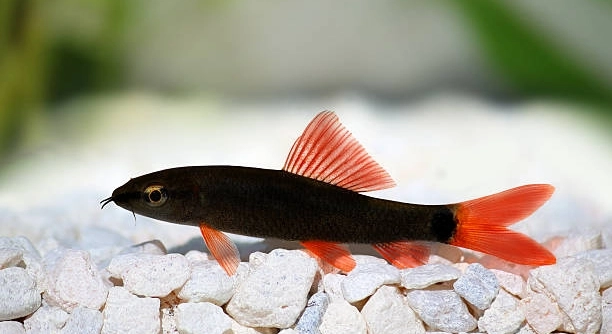
Many fish lovers enjoy keeping rainbow sharks because of their striking colors and lively behavior. Choosing a healthy one is important to maintain a vibrant and active aquarium. Knowing what signs to look for can save you from future problems.
A healthy rainbow shark can be identified by its clear, bright colors, smooth scales without damage, active swimming behavior, normal appetite, and the absence of visible parasites or injuries. These indicators collectively reflect good health before purchase.
Recognizing these signs early ensures your new fish will thrive in its new home. Let’s explore what to watch for when selecting a healthy rainbow shark.
Checking Color and Scale Condition
The first sign of a healthy rainbow shark is its color. Look for a fish with bright, vivid hues. Dull or faded colors might mean stress or illness. The scales should be smooth and intact without any white spots or patches. Damage to the scales can indicate past fights or infections. Observe the fish closely to ensure its fins are complete and not torn or ragged. Torn fins can lead to infections or make swimming difficult. Healthy fish also have clear eyes without cloudiness. Sometimes, small injuries heal quickly, but it’s better to avoid fish with visible wounds. A vibrant appearance usually shows the fish is well-fed and comfortable in its environment. When buying, pick the ones that look alert and active rather than hiding or sluggish. This simple visual check can prevent many issues after bringing the fish home.
Bright colors and smooth scales are good signs of a healthy rainbow shark, showing it is active and free of disease.
Examining the fish’s color and scales is a simple but effective way to assess health. Rainbow sharks with vivid red and black markings, clear eyes, and intact fins typically have no underlying health problems. This means less stress and better adjustment once they are in your tank. It’s important to avoid fish that look pale, have missing scales, or show signs of fin rot, as these issues can spread quickly in a community tank. Always buy from reputable stores where fish are kept in clean water and proper conditions. This initial check saves time and money and helps keep your aquarium balanced and beautiful.
Observing Behavior and Activity Levels
A healthy rainbow shark swims actively and interacts with its surroundings. Lethargic or hiding fish may be unwell or stressed. Active movement means good oxygen levels and proper health.
Watching how the fish behaves gives insight into its condition. Healthy rainbow sharks are usually alert, swim steadily, and respond to movement around the tank. If the fish is constantly resting at the bottom or hiding, it may be sick or adjusting poorly. Normal feeding response is another sign; healthy fish quickly approach food and eat without hesitation. Stressful conditions or illness often reduce appetite and slow activity. Before buying, spend some time observing the fish during feeding or while it moves in the tank. Healthy rainbow sharks often patrol their territory calmly and do not appear frantic or sluggish. This behavior shows they are ready to adapt to a new home and less likely to bring disease.
When buying, look for steady, smooth swimming and normal feeding as signs of a healthy rainbow shark. Avoid fish that remain still or avoid food.
Checking Fins and Tail Condition
Healthy fins and tail are smooth and complete without tears or discoloration. Ragged edges or spots may indicate disease or injury.
Fins and tail are vital for swimming and balance. Look for fins that are fully spread when the fish moves, not clamped or folded. Damaged fins often mean infections like fin rot, which can worsen without treatment. The tail should be symmetrical and free of ragged edges or holes. Any white or red spots on fins can signal parasites or bacterial infections. These conditions reduce a fish’s ability to swim properly and can lead to further health issues. Healthy fins also reflect good water quality and care at the store. Buying a rainbow shark with perfect fins lowers the risk of future problems and keeps your tank safe from disease spread.
Regular observation of fins and tail is necessary even after purchase. Keep water clean and provide a stress-free environment to maintain their condition. Avoid tanks with aggressive fish that may nip fins, as this can cause lasting damage. Preventing fin injuries keeps your rainbow shark lively and comfortable.
Appetite and Eating Habits
A healthy rainbow shark shows a strong interest in food and eats regularly. Poor appetite often signals illness or stress.
When observing appetite, watch how quickly the fish approaches food and eats. Healthy sharks eat several times a day and consume most of the offered food. If a fish ignores food or only nibbles occasionally, it might be sick or uncomfortable in the tank. Loss of appetite can result from poor water conditions, parasites, or disease. In some cases, newly introduced fish may eat less at first due to stress but should recover quickly. Consistent refusal to eat requires attention. Good eating habits also reflect proper digestion and overall wellness. A strong appetite before buying ensures the fish is well-nourished and ready for a new home.
Feeding behavior is also a way to bond with your fish and notice early signs of trouble. Offering a variety of foods encourages a balanced diet and keeps the rainbow shark healthy and colorful.
Inspecting Gills and Breathing
Healthy gills are bright red and move smoothly with each breath. Labored or rapid breathing may show stress or illness.
Watch how the fish breathes before buying. Gills should open and close evenly without gasping at the surface or rubbing against tank surfaces.
Avoiding Visible Parasites and Infections
Visible parasites, white spots, or unusual growths are clear signs of health problems. Avoid fish showing these signs to prevent spreading disease.
Parasites such as ich appear as tiny white dots and cause irritation. Fungal infections often look like cottony patches on the skin or fins. These conditions weaken fish and make them more vulnerable to other illnesses. Buying fish without visible parasites protects your tank’s health and saves you from costly treatments.
Choosing Active and Curious Fish
A healthy rainbow shark explores its environment with steady movements and shows interest in surroundings. It should not hide excessively or appear sluggish.
Checking for Normal Body Shape
A healthy fish has a well-proportioned body without swelling, lumps, or deformities. Any irregularities may signal disease or poor development.
What is the ideal tank size for a rainbow shark?
Rainbow sharks need plenty of space to swim actively. A tank of at least 30 gallons is recommended for one adult. Larger tanks are better if you plan to keep multiple fish or other species, as rainbow sharks can be territorial. Proper space helps reduce stress and aggressive behavior.
How often should I feed my rainbow shark?
Feeding twice a day is usually sufficient. Offer a balanced diet that includes high-quality flakes or pellets designed for bottom feeders, supplemented with vegetables and occasional live or frozen foods. Avoid overfeeding to prevent water quality issues and obesity.
Can rainbow sharks live peacefully with other fish?
Rainbow sharks can be territorial, especially with other bottom dwellers. They generally do well with fast-moving, mid-to-top-level fish that aren’t aggressive. Avoid keeping them with very small or slow fish that might be bullied. Proper tank size and hiding places help reduce conflicts.
What water parameters are best for rainbow sharks?
Rainbow sharks thrive in water temperatures between 72°F and 79°F (22°C to 26°C). pH levels should be kept between 6.5 and 7.5. Regular water changes and good filtration are important to maintain clean, stable water conditions for their health.
How can I tell if my rainbow shark is stressed?
Signs of stress include clamped fins, erratic swimming, hiding constantly, loss of appetite, and dull colors. Stress can result from poor water quality, overcrowding, or aggressive tank mates. Identifying and addressing the cause early helps prevent illness.
Do rainbow sharks require special care or equipment?
They do not need special equipment beyond a good filtration system and regular maintenance. Providing hiding spots like caves or plants helps them feel secure. Avoid sharp decorations that can injure their delicate fins.
What common diseases affect rainbow sharks?
Ich, fin rot, and fungal infections are among the most common. These illnesses often appear due to poor water quality or stress. Early signs include white spots, ragged fins, or fluffy patches on the body. Prompt treatment and maintaining clean water help prevent outbreaks.
How long do rainbow sharks typically live?
With proper care, rainbow sharks can live between 5 and 8 years. Maintaining good water quality, a balanced diet, and a stress-free environment contributes to their longevity.
Is it okay to keep multiple rainbow sharks together?
Keeping multiple rainbow sharks in the same tank can lead to territorial disputes, especially in small tanks. If you want more than one, ensure the tank is large with plenty of hiding spaces to reduce aggression.
What should I do if my rainbow shark shows signs of illness?
Isolate the fish in a quarantine tank if possible. Test water quality and perform partial water changes. Consult with a vet or aquarium specialist for diagnosis and treatment recommendations. Early intervention improves the chances of recovery.
When deciding to buy a rainbow shark, paying close attention to its health is very important. A healthy fish will adjust better to your aquarium and live longer. Looking at signs such as color, behavior, fins, and appetite helps you pick the best fish. By doing this, you avoid common problems like disease or stress that can happen when unhealthy fish are introduced to your tank. Taking the time to observe these details before buying is a small effort that makes a big difference for both you and your new fish.
Keeping a rainbow shark healthy goes beyond the initial purchase. After bringing it home, maintaining good water quality and proper tank conditions is key. Regular water changes, correct temperature, and balanced feeding keep your fish strong and active. Also, providing enough space and hiding spots helps reduce stress, which supports overall health. Remember, a happy fish shows bright colors, swims actively, and eats well. These simple steps ensure that your rainbow shark thrives and adds beauty to your aquarium for years to come.
In the end, selecting a healthy rainbow shark is about careful observation and ongoing care. Watching for signs like clear eyes, smooth scales, and steady swimming before buying helps you avoid problems. Afterward, maintaining a clean environment and feeding properly keeps your fish safe and comfortable. Taking these actions creates a better experience for you and your rainbow shark. Healthy fish are more enjoyable to keep and help create a peaceful, balanced aquarium for all your aquatic pets.

Hello,
If you enjoy the content that we create, please consider saying a "Thank You!" by leaving a tip.
Every little bit helps us continue crafting quality advice that supports the health, happiness, and well-being of pets around the world, for pets of all shapes, sizes, and species.
We really appreciate the kindness and support that you show us!