
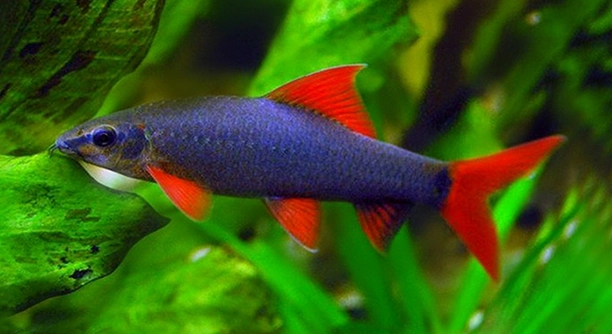
Is your rainbow shark spending most of its time hiding or acting nervous around other fish in your tank? This behavior might be a sign that it’s not fully comfortable in its environment.
The best way to help your rainbow shark feel more comfortable is by providing a spacious tank with plenty of hiding spots, stable water conditions, and choosing compatible tankmates. These changes reduce stress and support natural behavior.
Knowing what your rainbow shark needs can make a big difference in its health and mood. Small adjustments in care can create a better, more peaceful space for your fish.
Create a Calm and Spacious Environment
Rainbow sharks need room to swim and explore. A tank that’s too small can lead to stress, aggression, and poor health. A 55-gallon tank or larger gives your rainbow shark enough space to roam without feeling cramped. Make sure the tank has a secure lid, as these fish may try to jump when startled. Use a soft substrate and decorate the tank with rocks, caves, and driftwood. These items give your rainbow shark hiding spots, which help them feel secure. Avoid over-decorating the tank, as too much clutter can limit swimming space and cause irritation.
A tank with open swimming areas and dark hiding places can lower your rainbow shark’s stress levels significantly. This balance helps mimic the kind of habitat they would naturally prefer in the wild.
Choosing the right tank setup early on saves you time and prevents behavior problems. A proper environment supports a healthier, calmer fish with better overall behavior.
Choose Compatible Tankmates Carefully
Not all fish make good neighbors for rainbow sharks. Their territorial nature can lead to fights if placed with the wrong tankmates. Avoid adding other bottom dwellers or fish that resemble them in shape or color.
Go for fast-moving, mid-to-top level fish that don’t look like a threat. Rainbow sharks usually do well with fish such as barbs, danios, or rasboras. These species tend to stay out of the shark’s way, reducing the chance of conflict. Stay away from slow or long-finned fish, as they may be harassed or injured. Monitor new tankmates closely at first and be ready to rehome them if issues come up. Giving your rainbow shark space and privacy helps it feel less threatened, and choosing peaceful fish that swim in other zones of the tank will help keep aggression down. Always aim for a community that supports calm behavior rather than competition.
Maintain Stable Water Conditions
Rainbow sharks react strongly to sudden changes in water quality. Fluctuations in temperature, pH, or ammonia levels can cause stress and lead to illness. Use a reliable heater and water testing kit to monitor conditions and avoid sudden shifts.
Keep the water temperature between 75°F and 80°F. The pH should stay between 6.5 and 7.5, with ammonia and nitrites always at zero. Do regular partial water changes—about 25% weekly—to keep things balanced. Rinse filter media in tank water to avoid killing helpful bacteria. Don’t overfeed, as leftover food breaks down and affects water quality. When adding new water, make sure it’s dechlorinated and close in temperature to the existing tank water. Stable water helps reduce your rainbow shark’s stress and supports a longer, healthier life.
Consistency is key. Rainbow sharks feel safer in clean, predictable conditions. By staying on top of your tank’s parameters, you give them a steady space where they can stay active and relaxed. Watching your fish behave naturally is a good sign that everything is working well. Stability doesn’t take long to build—but it does require a routine that’s easy to stick with. Simple habits can lead to major improvements in your rainbow shark’s comfort.
Limit Bright Lighting
Rainbow sharks prefer dimmer lighting conditions. Bright lights can make them feel exposed and nervous, especially in tanks with few hiding spots. Use low to moderate lighting and keep the tank out of direct sunlight to help them feel more secure during the day.
Adding floating plants or taller decorations can help block harsh light. These additions create shaded areas where your rainbow shark can relax. A calmer environment encourages more natural behavior and reduces stress-related hiding or aggression.
Feed a Balanced, Consistent Diet
A consistent diet helps your rainbow shark stay active and healthy. Offer a variety of foods, including sinking pellets, algae wafers, and occasional frozen or live treats like bloodworms. Feeding once or twice a day in small amounts keeps the water cleaner and supports good digestion. Don’t overfeed—leftover food causes water issues and can lead to illness. Remove any uneaten food after a few minutes. Keep feeding times regular, as routine can help your rainbow shark feel more at ease. A balanced diet not only supports health but also gives them the energy to swim, explore, and interact with the tank in a calmer way.
Avoid Overcrowding
Too many fish in the tank can cause stress and increase territorial behavior. Give your rainbow shark enough space to swim freely without constantly running into other fish.
FAQ
How often should I clean my rainbow shark’s tank?
Cleaning your tank regularly is essential to keep your rainbow shark healthy. Perform partial water changes of about 25% every week. This helps remove waste and keeps water parameters stable. Clean the substrate gently with a gravel vacuum to avoid disturbing beneficial bacteria. Avoid cleaning everything at once to maintain the tank’s natural balance. Regular maintenance prevents buildup of harmful substances and keeps your rainbow shark comfortable.
What tank size is best for a rainbow shark?
A minimum of 55 gallons is recommended for one rainbow shark. They need plenty of space to swim actively and establish territories. Smaller tanks can cause stress and aggression. A larger tank also helps keep water conditions more stable. If you want to keep multiple rainbow sharks, increase the tank size accordingly to reduce conflicts and overcrowding.
Can rainbow sharks live with other fish?
Yes, but choosing the right tankmates is important. Rainbow sharks are territorial and may act aggressive toward similar-shaped or slow-moving fish. Good companions include fast, mid-to-top level swimmers like barbs, danios, and rasboras. Avoid keeping them with other bottom dwellers or long-finned fish to reduce stress and fighting.
What should I feed my rainbow shark?
Feed a varied diet that includes sinking pellets or wafers formulated for omnivores, along with occasional live or frozen foods like bloodworms or brine shrimp. Feeding once or twice a day in small portions helps prevent overfeeding and water pollution. Remove uneaten food after a few minutes to maintain water quality.
Why does my rainbow shark hide all the time?
Hiding is a common behavior when your fish feels stressed or threatened. Causes may include poor water conditions, a tank that is too small, aggressive tankmates, or bright lighting. Providing hiding spots and stable water parameters usually helps your fish feel safer and become more active.
How can I reduce aggression in my rainbow shark?
Ensure the tank is large enough with plenty of hiding places. Choose compatible tankmates that swim in different areas of the tank. Maintain good water quality and avoid overcrowding. Sometimes rearranging the tank decorations can break up territories and reduce fights.
What water parameters should I keep for a rainbow shark?
Keep the water temperature between 75°F and 80°F (24°C to 27°C). The pH should be between 6.5 and 7.5. Ammonia and nitrites must always be at zero, with nitrates kept low through regular water changes. Stable water conditions are key to preventing stress and disease.
How do I know if my rainbow shark is healthy?
A healthy rainbow shark will be active, swim steadily, and show bright coloration. It will eat regularly and avoid constant hiding. Watch for signs like clamped fins, lethargy, loss of appetite, or visible spots and lesions, which could indicate illness or poor water quality.
Can rainbow sharks jump out of the tank?
Yes, rainbow sharks are known to jump when frightened or stressed. Always use a secure lid to prevent escapes. Reducing sudden noises, bright lights, or aggressive tankmates can help keep your fish calm and less likely to try jumping.
Is it normal for my rainbow shark to be aggressive sometimes?
Some aggression is natural because rainbow sharks are territorial. However, constant or severe aggression usually signals problems like overcrowding, poor tank setup, or incompatible tankmates. Addressing these issues helps create a calmer environment.
Taking good care of your rainbow shark means understanding what makes it comfortable and happy. Providing a spacious tank with plenty of hiding spots is important to reduce stress. This helps the fish feel safe and less threatened by other tankmates. Keeping water conditions stable and clean is also key to your rainbow shark’s health. Regular water changes, proper filtration, and monitoring temperature and pH levels create a steady environment where your fish can thrive. These simple steps help prevent illness and unwanted behavior.
Choosing the right tankmates and feeding a balanced diet play an important role too. Rainbow sharks are territorial and prefer tankmates that swim in different parts of the aquarium. Avoid overcrowding and fish that look or act too similar. Feeding your rainbow shark a variety of foods, such as sinking pellets and occasional live or frozen treats, supports good health and energy. Feeding smaller amounts regularly prevents leftover food from polluting the water. When the environment, diet, and companions are all in balance, your rainbow shark will be more active and display natural behaviors.
Consistency in care is what truly makes the difference over time. Regular maintenance, a calm and spacious habitat, and mindful feeding routines all work together to create a better life for your fish. Patience is important because it may take a little while for your rainbow shark to settle in and feel secure. Watching your fish grow healthier and more confident is rewarding. Paying attention to its needs ensures you provide the best possible care and enjoy a peaceful, beautiful aquarium.

Hello,
If you enjoy the content that we create, please consider saying a "Thank You!" by leaving a tip.
Every little bit helps us continue crafting quality advice that supports the health, happiness, and well-being of pets around the world, for pets of all shapes, sizes, and species.
We really appreciate the kindness and support that you show us!