
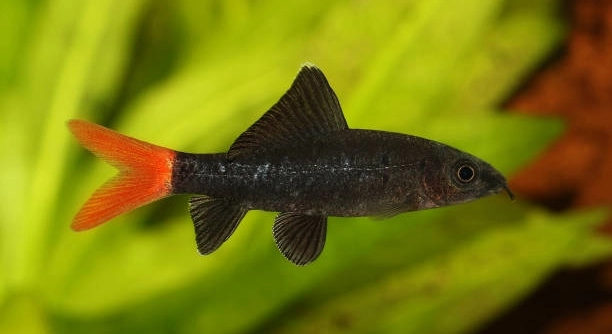
Is your rainbow shark constantly hiding, acting aggressive, or darting around the tank, leaving you unsure of what’s going wrong?
Creating a stress-free tank for a rainbow shark involves providing ample swimming space, hiding spots, stable water conditions, and carefully chosen tank mates. These elements reduce territorial behavior and help maintain your rainbow shark’s overall health and well-being.
Proper care and attention to tank setup can prevent future stress-related problems and create a more peaceful environment for your rainbow shark.
Choose the Right Tank Size
Rainbow sharks need more space than many people expect. A tank that’s too small can cause stress and make them territorial. The minimum recommended tank size is 55 gallons, but larger is always better. A spacious tank allows your rainbow shark to swim freely and establish its own territory without constant conflict. Crowded conditions often lead to aggression, especially if the tank includes bottom dwellers or other semi-aggressive fish. A long tank layout is preferable to a tall one since these fish prefer horizontal swimming. Avoid placing rainbow sharks in community tanks that are too small for all the inhabitants. Always plan your setup around the adult size of the fish and their need for personal space. A proper tank size not only supports physical health but also reduces behavioral issues and creates a more stable, balanced environment for your rainbow shark to thrive in.
A larger tank lowers the chance of territorial disputes, giving your rainbow shark enough room to feel secure and stay calm.
Tank size matters because rainbow sharks can grow up to six inches long and need space to establish personal zones. In smaller tanks, their stress levels increase, especially when competing for space with other fish. This often leads to chasing or nipping, which affects the overall peace of your aquarium. Providing extra space supports their natural behaviors and helps them feel less threatened by nearby movement or tank mates. It also keeps water parameters more stable, since more water volume can dilute waste better. A large tank isn’t just about comfort—it’s about maintaining long-term health, reducing stress, and encouraging calm, natural swimming habits in your rainbow shark.
Add Proper Hiding Spots
Rainbow sharks need hiding places to feel safe and avoid stress. A tank with no cover makes them anxious and aggressive.
Use decorations like driftwood, rocks, or caves to create spaces where your rainbow shark can retreat without being seen. These shelters offer protection and help your fish mark its territory. Avoid overcrowding the tank with decorations, though—balance open swimming space with hiding spots. Having several well-placed hiding areas keeps the shark calm, especially when tank mates pass through its zone. This setup reduces the urge to chase and allows the shark to rest peacefully. If you keep other bottom dwellers in the tank, make sure there are enough shelters for everyone to avoid direct competition. When setting up the tank, try to create natural-looking barriers that block direct lines of sight across the tank. This prevents visual stress and reduces aggressive behavior. Using plants—real or artificial—also adds cover and encourages calmer activity.
Maintain Stable Water Conditions
Rainbow sharks are sensitive to sudden changes in water quality. Fluctuations in temperature, pH, and ammonia levels can lead to stress, illness, or erratic behavior. Regular water testing and consistent maintenance are necessary to keep your fish healthy and calm.
Keep the water temperature between 75–81°F, and maintain a pH between 6.5–7.5. Use a reliable heater to avoid temperature swings and an accurate test kit to monitor water parameters weekly. Perform partial water changes of 25–30% every week to keep ammonia and nitrite levels at zero. Overfeeding can affect water quality, so feed small amounts once or twice daily, only what they can eat in two minutes. Always use a water conditioner when adding tap water. Stable conditions reduce stress, prevent disease, and create a comfortable environment. Routine care, even when your tank looks clean, helps your rainbow shark stay active and healthy without signs of anxiety.
Avoid adding too many new fish at once, as this can disrupt the balance of your tank and spike ammonia levels. Let your filtration system handle changes gradually. Always quarantine new fish before introducing them to the main tank to avoid disease and parasites. A stressed rainbow shark becomes territorial and aggressive when water conditions aren’t consistent. Poor water quality weakens their immune system and increases the chance of illness. Keeping a regular maintenance schedule ensures the water stays clean and healthy. A stable tank benefits all fish but is especially important for sensitive species like rainbow sharks. Keeping their water clean, warm, and chemically balanced is one of the most effective ways to reduce stress.
Select Compatible Tank Mates
Tank mates must be chosen carefully, as rainbow sharks don’t tolerate similar-looking or bottom-dwelling fish. Avoid slow swimmers, timid fish, and those with long fins. Choose peaceful mid-level swimmers that don’t resemble your shark in color or shape.
Good companions include barbs, rasboras, danios, and rainbowfish. These species are active, quick, and tend to stay out of the shark’s territory. Avoid housing rainbow sharks with red-tailed sharks, bala sharks, or other aggressive fish. If your tank is large enough, rainbow sharks can coexist with carefully selected tank mates as long as everyone has enough space and hiding spots. Keep a close eye on new additions, especially in the first few days. Watch for signs of aggression or stress and be ready to rehome fish if needed. Compatibility depends not only on species but also on your tank layout and maintenance habits. Monitor behavior regularly and make changes as needed.
Limit Bright Lighting
Bright tank lights can stress your rainbow shark, especially if there’s no shade or hiding place. Keep lighting moderate and use floating plants or decorations to soften direct light. Mimic a natural day-night cycle with 8–10 hours of light daily.
Strong lighting without cover makes rainbow sharks more anxious and aggressive. They prefer low to moderate light with shaded areas to retreat. Avoid leaving lights on all day or using high-intensity bulbs. Keeping the lighting gentle supports a calm tank environment and helps reduce unwanted stress behaviors over time.
Avoid Overcrowding the Tank
Crowded tanks lead to stress and increased aggression. Rainbow sharks need personal space, and too many fish make them territorial. Limit the number of bottom dwellers and avoid adding fish that compete for the same space. Extra room helps everyone stay more relaxed and healthy.
Monitor for Early Signs of Stress
Watch for changes in behavior like hiding more than usual, darting, or refusing food. These signs often show something’s wrong in the tank. Early action can prevent bigger issues later and helps keep your rainbow shark comfortable and active.
How often should I feed my rainbow shark?
Feeding your rainbow shark once or twice daily is sufficient. Offer only what it can eat within two minutes to prevent overfeeding and water pollution. Avoid excess food, as uneaten leftovers can decay, harming water quality and increasing stress.
Can rainbow sharks live with other bottom-dwelling fish?
Rainbow sharks are territorial, especially near the tank bottom. They generally do not get along well with other bottom dwellers like catfish or loaches. Providing enough space and hiding spots may help, but it’s best to avoid mixing similar bottom-dwelling species.
What water temperature is ideal for rainbow sharks?
The ideal water temperature for rainbow sharks is between 75°F and 81°F (24°C–27°C). Use a reliable heater to maintain steady temperature. Sudden fluctuations can cause stress and increase susceptibility to illness.
How large should my tank be for a rainbow shark?
A minimum of 55 gallons is recommended for a single rainbow shark. Larger tanks are better to reduce territorial aggression and allow plenty of swimming space. A long, horizontal layout suits their active nature best.
Why is my rainbow shark hiding so much?
Excessive hiding usually indicates stress, poor water quality, or tank mates causing aggression. Check water parameters and tank setup. Ensure there are adequate hiding places and a calm environment to help your fish feel secure.
How can I reduce aggression in my rainbow shark?
Provide enough space, proper hiding spots, and compatible tank mates. Avoid overcrowding and maintain stable water conditions. Proper care and environment minimize territorial disputes and aggressive behavior.
Is it necessary to quarantine new fish before adding them to the tank?
Yes, quarantining new fish for at least two weeks prevents introducing diseases or parasites. This practice protects your rainbow shark and other tank inhabitants, keeping the aquarium healthier overall.
What are common signs of stress in rainbow sharks?
Signs include hiding more than usual, erratic swimming, loss of appetite, and faded colors. Early detection and correction of water quality or environmental issues improve their well-being.
Can I keep multiple rainbow sharks together?
Multiple rainbow sharks often become territorial and aggressive, especially in smaller tanks. If you want more than one, use a large tank with many hiding places and monitor their behavior closely.
How do I clean the tank without stressing my rainbow shark?
Perform partial water changes weekly, cleaning no more than 25–30% at a time. Use a gentle vacuum on the substrate and avoid sudden changes in temperature or water chemistry. Consistency helps reduce stress during maintenance.
Are live plants beneficial for rainbow shark tanks?
Yes, live plants provide shelter and improve water quality. They create natural hiding spots that help reduce stress. Choose hardy species that tolerate the shark’s activity and water conditions.
What should I do if my rainbow shark shows signs of illness?
Isolate the fish in a quarantine tank if possible. Check water quality and review diet. Consult a veterinarian or aquarium specialist for diagnosis and treatment options. Early action increases the chance of recovery.
How important is water filtration for a rainbow shark tank?
Water filtration is critical for removing waste and maintaining stable water conditions. Choose a filter rated for your tank size with moderate flow to prevent stressing your shark. Clean the filter media regularly to ensure efficiency.
Can rainbow sharks tolerate cooler water?
Rainbow sharks prefer warmer temperatures but can tolerate slight drops if gradual. Avoid sudden temperature changes, which can cause stress or illness. Maintain consistent heating for best health.
Do rainbow sharks need a specific pH level?
Yes, they thrive in a pH range between 6.5 and 7.5. Keep pH stable by using proper water treatments and avoiding drastic changes. Sudden pH shifts can stress fish and cause health problems.
Creating a stress-free environment for your rainbow shark is essential for its health and happiness. These fish require specific conditions to thrive, including a spacious tank, stable water quality, and appropriate tank mates. Without these basics, your rainbow shark can become stressed, leading to aggressive behavior or illness. Understanding the needs of this species helps prevent common problems and ensures your fish lives a long and comfortable life in your aquarium. Paying attention to their environment and routine care will make a significant difference in their well-being.
One key factor in reducing stress is tank setup. Providing enough space and hiding spots helps your rainbow shark feel secure. A tank of at least 55 gallons with a long horizontal layout gives them room to swim and claim territory without constant conflict. Decorations like rocks, driftwood, and plants offer shelter and break up lines of sight, reducing aggression. Maintaining consistent water temperature, pH, and cleanliness is also important. Frequent water tests and regular partial water changes keep the environment stable, preventing fluctuations that can upset your fish. These small efforts combine to create a peaceful and healthy tank for your rainbow shark.
Finally, choosing compatible tank mates and feeding properly are important to reduce stress. Avoid overcrowding the tank and select fish that do not compete for the same space or provoke territorial disputes. Feeding your rainbow shark the right amount of food once or twice daily supports good health without fouling the water. Observing your fish regularly for signs of stress or illness helps catch problems early before they become serious. By staying attentive to these details, you can enjoy a calm, vibrant aquarium with a happy rainbow shark as a centerpiece. Consistent care and thoughtful tank management are the best ways to keep stress away and ensure your fish flourishes.

Hello,
If you enjoy the content that we create, please consider saying a "Thank You!" by leaving a tip.
Every little bit helps us continue crafting quality advice that supports the health, happiness, and well-being of pets around the world, for pets of all shapes, sizes, and species.
We really appreciate the kindness and support that you show us!