
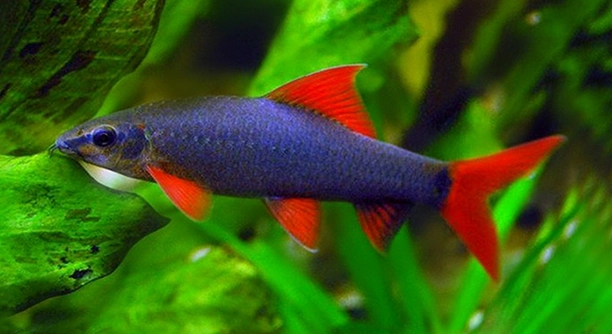
Rainbow sharks are active fish that need enough space and movement to stay healthy. Many owners want to make sure their fish are getting the right amount of exercise to avoid stress or illness. Observing their behavior helps keep them happy.
Rainbow sharks show clear signs of adequate exercise through their swimming patterns, appetite, and interaction with the environment. Consistent activity and healthy growth indicate they receive enough physical stimulation to maintain their well-being.
Recognizing these signs will help you support your fish’s health and enjoy watching them thrive in your aquarium.
Swimming Patterns and Activity Levels
Rainbow sharks tend to be most active during the day, swimming steadily across the tank. If your fish is darting around or cruising the tank regularly, it’s a good sign it is getting enough exercise. On the other hand, if it stays still at the bottom or hides often, this could mean it isn’t moving enough. Watching their daily behavior is the easiest way to tell if they are active. Changes in swimming speed or movement can also point to health or stress issues. Sometimes, a lack of exercise results from tank size being too small or from tank mates being aggressive, which limits the rainbow shark’s freedom to swim. Ensuring a proper environment encourages natural movement and keeps the fish healthy and less prone to illness. Regular observation helps you catch any changes early and adjust the tank accordingly.
Consistent swimming shows your rainbow shark is physically stimulated and well-adjusted to its environment.
Keeping the tank spacious with gentle tank mates gives your fish the room it needs to stay active. Proper tank setup plays a big role in encouraging regular exercise.
Appetite and Feeding Behavior
A rainbow shark that exercises enough usually has a good appetite. When fish are moving actively, they burn more energy and tend to eat well. If your rainbow shark is eagerly eating during feeding time, it means it’s likely getting enough physical activity. Loss of appetite or refusing food might be linked to low exercise, stress, or illness. Watching how your fish reacts to food can give you clues about its overall health. Feeding small amounts several times a day also encourages activity. Overfeeding, however, can lead to lethargy, so balance is key. Using sinking pellets or live food placed around the tank can stimulate your fish to swim more as it searches for food. This creates a natural exercise routine and keeps your rainbow shark healthy over time.
In short, a healthy appetite generally reflects a well-exercised fish.
To keep your rainbow shark active, try feeding in different spots to encourage movement. Varying the feeding routine can also help maintain interest and exercise.
Physical Appearance and Body Condition
A rainbow shark with enough exercise usually looks healthy and well-proportioned. Their fins should be fully spread and strong, without tears or clamping. Bright, vibrant colors often indicate good health and adequate movement.
Poor exercise can cause dull colors and a thin or weak body. When fish do not swim enough, their muscles may weaken and their body shape can become less defined. This can also make them more vulnerable to disease. Healthy rainbow sharks have firm bodies and smooth scales, showing that they are active and eating well. Observing your fish’s physical condition regularly can help you detect any problems early. Keeping your aquarium clean and providing enough space encourages your rainbow shark to stay in good shape.
Exercise influences both appearance and overall vitality, so regular activity keeps your fish looking its best.
Interaction with Tank Environment
Rainbow sharks that get enough exercise tend to explore their surroundings frequently. They swim through plants, around decorations, and sometimes interact with other fish in a non-aggressive way. This exploration is a sign of good mental and physical health.
If your fish hides too often or avoids moving around, it might be under-exercised or stressed. An active fish uses the entire tank, not just one corner or the bottom. Providing hiding spots alongside open swimming areas can encourage more movement. Watching how your fish navigates the environment helps gauge whether it’s getting enough stimulation. A lively fish is often a happy fish, and its behavior reflects how well it adapts to the tank setup. Adjusting the environment can boost activity and improve overall well-being.
Resting Spots and Behavior
Rainbow sharks need places to rest after swimming. If your fish frequently settles in one spot but still moves regularly, it shows a healthy balance between activity and rest.
However, if it stays motionless for long periods or isolates itself, it could mean the fish isn’t exercising enough or is stressed.
Response to Tank Mates
Active rainbow sharks respond to other fish by swimming around them without signs of aggression or fear. Healthy interactions include chasing but not harming tank mates.
Lack of interest or hiding from other fish may indicate low exercise levels or poor health, signaling that your rainbow shark might need more stimulation or a better tank setup.
Fin Condition
Strong, spread-out fins usually show good exercise and health. Clamped or torn fins can mean stress or lack of movement.
Healthy fins help rainbow sharks swim properly and stay agile.
How much exercise does a rainbow shark need daily?
Rainbow sharks benefit from several hours of active swimming each day. In a well-sized tank with plenty of swimming space, they naturally stay active as they explore their environment. If their tank is too small or overcrowded, their movement will be limited, leading to less exercise. Providing hiding spots alongside open areas encourages natural behavior and helps them stay physically engaged. Exercise needs can vary, but a tank of at least 30 gallons is generally recommended to support regular activity. Ensuring good water quality and proper tank mates also promotes healthy swimming habits.
What are signs that my rainbow shark is not getting enough exercise?
A lack of movement is the most obvious sign. Your fish may stay hidden or lie motionless at the bottom for long periods. Its fins might appear clamped or damaged, and its colors could fade. Loss of appetite and sluggish swimming are other warning signs. Weak muscles can cause the body to look thin or misshapen. Behavior changes like avoiding other fish or showing less curiosity about food can also indicate insufficient exercise. Regular observation is key to noticing these changes early.
Can a small tank cause my rainbow shark to become inactive?
Yes, a small or overcrowded tank often restricts swimming space, which leads to less exercise. Rainbow sharks are active swimmers that need room to move freely. When confined, they can become stressed and lethargic, affecting their health and appearance. Overcrowding can also increase aggression, making your fish hide more and exercise less. Upgrading to a larger tank or reducing the number of fish can greatly improve their activity levels. Even simple changes like rearranging decorations for more open space can help.
How does diet affect my rainbow shark’s exercise habits?
Diet and exercise are closely linked. A balanced diet gives your fish the energy needed for regular activity. Feeding quality pellets or live food supports muscle development and stamina. Overfeeding or feeding too little can both reduce activity. Too much food can make fish sluggish, while underfeeding weakens them. Feeding in small amounts multiple times a day encourages your rainbow shark to swim around in search of food, increasing exercise naturally. Avoid leftover food buildup, which can harm water quality and reduce activity.
What tank conditions encourage more exercise?
A spacious tank with clean water is essential for exercise. Proper filtration and regular water changes keep the environment healthy. Plants, rocks, and decorations provide places to explore, making swimming more interesting. Lighting should mimic natural day and night cycles, encouraging normal behavior. Avoid aggressive tank mates that chase or bully your rainbow shark, as this can reduce its movement. The right temperature, usually between 72-79°F, also supports energy and activity. When the tank feels safe and comfortable, your fish will swim more.
Can illness affect my rainbow shark’s activity levels?
Illness often causes reduced movement. If your rainbow shark shows signs of disease—such as spots, swelling, or unusual swimming—it may avoid exercise. Stress from poor water quality or tank conditions can also make it lethargic. Early treatment is important to prevent worsening health. Keeping the tank clean and monitoring your fish daily helps catch illnesses before they affect activity. If your rainbow shark suddenly becomes inactive, check water parameters and consider consulting a vet or experienced fish keeper.
How can I encourage my rainbow shark to exercise more?
You can encourage exercise by providing a large, well-decorated tank with enough open swimming space. Feeding in different areas of the tank helps motivate movement. Introducing peaceful tank mates can also stimulate activity through interaction. Avoid overcrowding and aggressive fish, which cause hiding and inactivity. Regular water changes and maintaining good water quality support energy levels. Rearranging decorations occasionally keeps the environment interesting and encourages exploration. Sometimes, gentle tapping on the tank or dimming lights briefly can prompt swimming without causing stress.
Is it normal for my rainbow shark to rest a lot?
Yes, resting is normal, but balance is important. Rainbow sharks often rest in shaded or sheltered spots between active swimming sessions. Rest helps them recover and stay healthy. However, excessive resting or hiding could signal low exercise or health problems. Watching your fish’s overall behavior will tell you if resting is balanced with enough activity. If resting seems excessive, review tank conditions, feeding, and tank mates to find any issues.
How often should I check my rainbow shark’s exercise levels?
Daily observation is best. Monitoring swimming behavior, appetite, and interaction with the tank helps catch problems early. Simple checks during feeding or routine tank maintenance give good insight into activity levels. Note any changes like less movement or altered swimming patterns. Keeping a brief log can help track long-term trends. Early detection allows quick adjustments to improve exercise and health.
What if my rainbow shark is aggressive toward other fish?
Rainbow sharks can be territorial, but excessive aggression may cause stress and reduce overall movement. Aggressive behavior often happens if the tank is too small or crowded. Separate aggressive fish or increase the tank size to reduce conflict. Adding plenty of hiding spots can ease tensions. A peaceful community tank with compatible species encourages healthy activity and reduces stress-related hiding or inactivity.
Understanding whether your rainbow shark is getting enough exercise is important for its overall health and happiness. These fish are naturally active swimmers who need room to move and explore their tank. When they get the right amount of exercise, their colors stay bright, their fins remain strong, and their behavior shows signs of good health. Watching their swimming patterns, appetite, and how they interact with their environment can give you a clear picture of their activity level. It is important to keep the tank clean, provide enough space, and choose compatible tank mates to support their exercise needs.
Exercise also affects how your rainbow shark looks and feels. Fish that do not move enough may lose muscle tone, become weak, or show dull colors. They might hide more often or seem uninterested in food and their surroundings. This can lead to health problems if not addressed. On the other hand, an active rainbow shark is more alert, eats well, and interacts positively with other fish. Making small changes in the tank setup, like adding decorations to explore or feeding food in different places, can encourage your fish to swim more. Regularly observing your rainbow shark helps you notice any changes quickly so you can act before problems develop.
In the end, keeping your rainbow shark healthy means balancing exercise, diet, and environment. It’s not just about how much your fish swims but how comfortable and engaged it feels in its home. Ensuring proper tank size, water quality, and peaceful companions creates a safe place for your fish to thrive. Exercise supports their physical strength and mental well-being, making them more vibrant and lively. By paying attention to these details, you help your rainbow shark live a longer, happier life. Taking simple steps to promote regular activity is one of the best things you can do as an owner.

Hello,
If you enjoy the content that we create, please consider saying a "Thank You!" by leaving a tip.
Every little bit helps us continue crafting quality advice that supports the health, happiness, and well-being of pets around the world, for pets of all shapes, sizes, and species.
We really appreciate the kindness and support that you show us!