
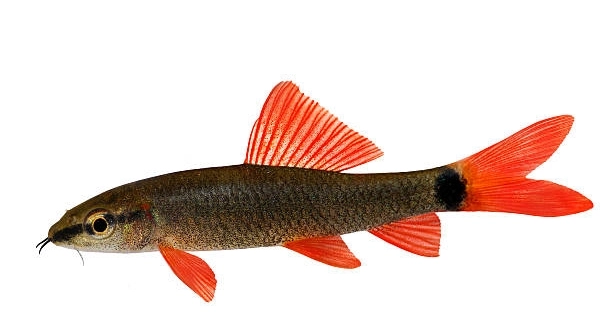
Rainbow sharks are popular freshwater fish known for their striking colors and active behavior. They require proper care to thrive and remain healthy in a home aquarium. Understanding their needs helps ensure they stay happy and vibrant.
A happy rainbow shark needs a well-maintained tank with clean water, proper temperature, a balanced diet, and enough space to swim freely. Regular monitoring and gentle interaction also contribute to their well-being and reduce stress.
Following these simple steps will help you create a comfortable environment for your rainbow shark and promote its long-term health.
Tank Size and Setup
Choosing the right tank size is essential for keeping a rainbow shark healthy. A minimum of 30 gallons is recommended because these fish need plenty of swimming space. The tank should have a secure lid, as rainbow sharks are known to jump. Use a substrate like smooth gravel or sand to avoid injuring their delicate fins. Include hiding spots made from rocks, driftwood, or plants. These shelters help reduce stress and provide a sense of security. Proper filtration is important to maintain clean water and oxygen levels. Make sure the filter provides gentle water flow because strong currents can tire out the fish. Regular water changes are necessary to keep nitrate levels low and prevent buildup of waste. Maintaining stable water parameters like temperature between 72°F and 79°F, pH around 6.5 to 7.5, and hardness of 5–11 dGH supports their well-being.
Setting up the tank carefully creates a comfortable home for your rainbow shark to explore and thrive.
A well-prepared tank offers more than just space; it mimics the natural environment that encourages natural behaviors. By including hiding places and appropriate substrate, you help reduce aggression and stress, which improves the fish’s health and lifespan. Avoid overcrowding with other fish that might compete for space or food. Instead, choose peaceful tank mates compatible with rainbow sharks. Monitoring water quality and temperature regularly will prevent health problems. Investing time in the setup ensures the rainbow shark feels secure and active, making it easier to observe its playful nature.
Feeding Your Rainbow Shark
Rainbow sharks thrive on a varied diet. Offer high-quality sinking pellets as their staple food because they prefer feeding near the bottom. Supplement this with fresh or frozen foods like bloodworms, brine shrimp, and vegetables such as blanched zucchini or cucumber. Feed small amounts once or twice daily to avoid overfeeding, which can pollute the tank. Remove uneaten food promptly to maintain water quality and prevent illness.
Feeding your rainbow shark a balanced diet ensures it stays healthy and vibrant.
Feeding habits directly influence the fish’s energy and coloration. A mix of protein-rich foods and vegetables mimics their natural diet and supports growth. Vegetables add fiber and essential nutrients while live or frozen foods provide variety and enrichment. Consistency in feeding times helps establish a routine, reducing stress. Be mindful not to overcrowd feeding areas, as this can trigger territorial behavior. Observing your rainbow shark during feeding also helps spot early signs of illness or appetite changes. Good nutrition combined with proper care leads to a more active and colorful fish.
Water Quality Maintenance
Maintaining clean water is critical for your rainbow shark’s health. Regular water changes help keep harmful toxins low. Test water parameters often to ensure they stay within safe ranges. A good filtration system supports this process effectively.
Water quality impacts fish well-being directly. Frequent partial water changes, about 20-30% weekly, prevent the buildup of nitrates and ammonia, which can stress or harm your fish. Use a reliable test kit to monitor pH, ammonia, nitrite, and nitrate levels. Ideal pH should be between 6.5 and 7.5. Remove uneaten food and debris from the tank to reduce pollution. A quality filter keeps the water oxygenated and clear, supporting a healthy environment. Proper water maintenance reduces disease risk and helps your rainbow shark stay active and vibrant.
Keeping a stable environment also means avoiding sudden changes in temperature or water chemistry, which can shock the fish. Consistency in water care builds a healthy habitat and improves the lifespan of your rainbow shark.
Tank Mates for Rainbow Sharks
Rainbow sharks can be territorial, so choosing compatible tank mates is important to reduce aggression. Peaceful species that occupy different tank levels work best.
Avoid small or slow-moving fish that may be bullied. Larger, active fish like barbs or danios usually coexist well because they swim in different areas. Bottom dwellers such as corydoras catfish provide peaceful company without competing for space. Avoid other rainbow sharks unless the tank is very large, as they may fight. Observing fish interactions regularly helps spot early signs of stress or conflict. A balanced community tank improves the overall health and behavior of your rainbow shark.
Lighting and Environment
Proper lighting helps maintain your rainbow shark’s natural rhythm. Use moderate light to mimic their usual environment. Avoid overly bright or direct light that can stress the fish.
Providing shaded areas with plants or decorations creates a safe retreat. This balance encourages natural behavior and reduces anxiety.
Monitoring Health Signs
Watch for signs of illness like faded colors, lethargy, or unusual swimming patterns. Early detection helps prevent serious health problems.
Regular observation allows prompt action if your fish shows symptoms of disease, ensuring a better chance of recovery.
Stress Reduction Techniques
Minimize sudden changes in the tank environment. Avoid loud noises or vibrations near the aquarium.
Keep interactions calm and consistent to help your rainbow shark feel secure and reduce stress.
Regular Tank Cleaning
Clean the tank regularly to maintain a healthy habitat. Remove debris and clean the substrate gently without disturbing beneficial bacteria.
FAQ
How often should I feed my rainbow shark?
Feeding your rainbow shark once or twice daily is usually enough. Offer small portions that they can finish within a few minutes. Overfeeding can lead to water pollution and health problems, so remove any leftover food promptly.
What is the ideal tank size for a rainbow shark?
A tank of at least 30 gallons is recommended. Rainbow sharks need enough space to swim freely and establish territories. Larger tanks help reduce stress and aggressive behavior, especially if keeping more than one fish or other species.
Can rainbow sharks live with other fish?
Yes, but choose tank mates carefully. Peaceful, fast-swimming fish that occupy different areas of the tank work best. Avoid slow or small fish that might be bullied, and don’t keep multiple rainbow sharks in small tanks due to territorial aggression.
How do I keep the water clean for my rainbow shark?
Regular water changes of 20-30% weekly help keep toxin levels low. Use a good filter to maintain water clarity and oxygenation. Test water parameters often and remove uneaten food or debris promptly to prevent pollution.
What temperature should I keep the tank at?
Maintain the tank temperature between 72°F and 79°F. Rainbow sharks are tropical fish and prefer stable temperatures. Sudden changes can stress them and lead to illness, so use a reliable heater and thermometer.
What do rainbow sharks eat?
They are omnivores and enjoy a diet of sinking pellets, supplemented with live or frozen foods like bloodworms and brine shrimp. Vegetables such as blanched zucchini or cucumber provide fiber and nutrients.
How do I tell if my rainbow shark is sick?
Watch for faded colors, unusual swimming patterns, lethargy, loss of appetite, or visible spots or sores. Early signs of illness mean you can act quickly to treat the fish and prevent worsening conditions.
Why does my rainbow shark hide a lot?
Hiding is normal behavior, especially if they feel stressed or threatened. Providing enough hiding spots helps the fish feel secure. If hiding increases suddenly, check water quality and tank conditions for potential problems.
Can rainbow sharks jump out of the tank?
Yes, they can jump, so having a secure lid on the tank is important to prevent escapes and injuries.
How aggressive are rainbow sharks?
Rainbow sharks can be territorial, especially in small tanks or with other rainbow sharks. Proper tank size, hiding places, and compatible tank mates reduce aggression and help maintain peace.
Is it necessary to have live plants in the tank?
Live plants provide shelter and improve water quality, but they are not required. If using live plants, choose species that tolerate the tank conditions and won’t be uprooted by the fish.
How often should I clean the tank?
Partial water changes should be done weekly, while full cleaning of the substrate and decorations can be monthly. Avoid disturbing beneficial bacteria during cleaning to keep the tank’s ecosystem balanced.
What kind of substrate is best?
Smooth gravel or sand is ideal to prevent injury to the fish’s fins. Sharp or rough substrates can cause damage, especially when the fish rest or explore the bottom of the tank.
Can rainbow sharks change color?
They may show slight color changes due to stress, illness, or water conditions. Healthy, unstressed fish typically display vibrant colors.
Do rainbow sharks need a lot of space?
Yes, adequate swimming space is important to prevent stress and aggression. A cramped tank can lead to poor health and shorter lifespan.
Taking care of a rainbow shark requires attention to several important factors. Providing the right tank size and setup helps the fish have enough space to swim and feel secure. Clean water with stable temperature and proper filtration is necessary to keep the fish healthy. Feeding a balanced diet and monitoring behavior also play key roles in the fish’s overall well-being. Each step, from tank maintenance to choosing suitable tank mates, affects how happy and active your rainbow shark will be.
Consistency is important when caring for a rainbow shark. Regular water changes, feeding schedules, and tank cleaning help create a stable environment. Sudden changes or neglect can cause stress and illness. Paying attention to your fish’s behavior helps you notice any signs of discomfort or disease early. When you act quickly, problems can be prevented or treated more easily. Taking the time to maintain good water quality and proper feeding routines will support the fish’s vibrant colors and natural activity levels.
Caring for a rainbow shark is a rewarding experience when the right conditions are met. This fish can live for many years and bring interest to your aquarium. By understanding their needs and following simple care steps, you ensure a happy and healthy pet. The effort you put in results in a lively fish that thrives in your home. Maintaining a clean tank, balanced diet, and peaceful environment leads to a long-lasting relationship with your rainbow shark.

Hello,
If you enjoy the content that we create, please consider saying a "Thank You!" by leaving a tip.
Every little bit helps us continue crafting quality advice that supports the health, happiness, and well-being of pets around the world, for pets of all shapes, sizes, and species.
We really appreciate the kindness and support that you show us!