
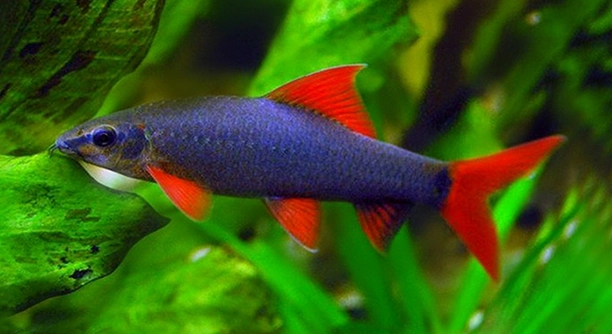
Feeding a rainbow shark can be a simple and enjoyable part of caring for your aquarium. These fish have specific dietary needs that help keep them healthy and vibrant. Understanding their preferences makes feeding easier and more effective.
Rainbow sharks require a varied diet consisting mainly of high-quality pellets, supplemented with vegetables and occasional live or frozen foods. Providing balanced nutrition supports their growth, coloration, and overall well-being in a home aquarium environment.
Knowing how to meet these needs will improve your fish’s health and happiness. The following tips will help you make feeding your rainbow shark a smooth and rewarding experience.
Choosing the Right Food for Your Rainbow Shark
Selecting the proper food is essential to keep your rainbow shark healthy. They mainly eat sinking pellets made for bottom feeders. These pellets provide balanced nutrition with proteins and vitamins tailored for their needs. You can also offer vegetables like zucchini or spinach, which add fiber and nutrients. Occasionally, small amounts of live or frozen foods such as bloodworms or brine shrimp can be given to add variety and promote natural hunting behavior. Avoid feeding flake foods alone since rainbow sharks spend most time near the bottom of the tank. Consistency in feeding times helps them develop a routine and reduces stress. Always remove uneaten food to maintain clean water conditions. Feeding in small portions two to three times daily is ideal to prevent overfeeding and keep your fish active.
Rainbow sharks benefit most from a diet focused on pellets, supplemented with fresh vegetables and occasional protein treats.
Understanding how to mix these food types correctly ensures your fish receives complete nutrition and stays vibrant. Regularly varying the diet prevents boredom and supports their natural instincts. Including fresh veggies boosts digestion and health. Keep portions controlled to avoid water quality issues, which can affect their wellbeing. Observing their feeding habits helps you adjust amounts and types of food as needed. A good diet also strengthens their immune system, reducing illness risk. Feeding time can be a rewarding interaction when done properly.
Maintaining a Clean Feeding Environment
Keep the tank clean during feeding to avoid leftover food buildup. Remove uneaten food quickly to prevent water pollution.
A clean feeding environment is crucial for the health of your rainbow shark. Uneaten food can decay and release harmful chemicals, affecting water quality and stressing your fish. Using a feeding ring or feeding in one spot helps contain food and makes cleanup easier. Regular vacuuming of the tank bottom removes debris and waste. Monitoring water parameters often ensures a stable environment. Clean water promotes better digestion and overall fish health. Consistent cleaning reduces the chance of disease and keeps your tank looking its best. Keeping the feeding area tidy makes care simpler and more efficient, benefiting both you and your rainbow shark.
Feeding Frequency and Portion Control
Feeding your rainbow shark the right amount at the right times is important. Overfeeding can cause health problems and dirty water.
A good rule is to feed your rainbow shark two to three times a day. Give only what they can eat in about two to three minutes. If food remains after this time, remove the leftovers to avoid water contamination. Smaller, more frequent meals are better than one large feeding. This helps maintain stable water conditions and keeps your fish active. Portion control also prevents obesity, which can shorten your fish’s life.
Watching how your rainbow shark eats helps you adjust feeding amounts. Sometimes they may eat more or less depending on their activity level or water temperature. Adjust accordingly but avoid sudden changes in the feeding routine. Consistency supports their health and reduces stress. It’s easy to overfeed, so always be cautious and patient.
Supplements and Treats
Supplements and treats can improve your rainbow shark’s diet but should be used sparingly. Use them to add variety and nutrition.
Adding live or frozen foods like bloodworms, brine shrimp, or daphnia occasionally can provide extra protein and simulate natural hunting. These treats enrich their diet and keep them interested in feeding. Vegetables like peas or spinach are healthy supplements offering fiber and essential vitamins. Avoid using treats as a main food source since they lack balanced nutrition. Overuse can lead to nutrient imbalances or poor water quality. Always rinse frozen foods before feeding to reduce contamination risks. Treats should be offered one to two times weekly, mixed into the regular feeding schedule.
Monitoring your rainbow shark’s response to supplements helps you identify which foods they enjoy most. This variety benefits their physical and mental health. However, keep the main diet consistent and balanced. Over-supplementing can cause digestive issues or water pollution, so moderation is key. Incorporate supplements thoughtfully to maintain a healthy and happy fish.
Avoid Overfeeding
Overfeeding can quickly harm your rainbow shark and water quality. Stick to appropriate portions and remove uneaten food promptly.
Excess food leads to poor water conditions, which stress your fish and encourage algae growth. Feeding only what your fish can consume within a few minutes helps keep the tank clean and healthy.
Observing Feeding Behavior
Watching how your rainbow shark eats provides insight into its health. Changes in appetite can signal illness or stress.
Use Quality Food
Choose high-quality pellets designed for bottom feeders. Good food supports growth, color, and immunity.
Avoid Feeding at Night
Rainbow sharks are less active at night, so feeding during daylight hours is best for digestion and feeding response.
How often should I feed my rainbow shark?
Feeding your rainbow shark two to three times a day is ideal. Provide small portions that your fish can finish within two to three minutes. This frequency helps maintain stable water conditions and keeps your fish healthy. Avoid feeding once a day or too many times, as it can lead to overfeeding or stress.
What types of food are best for rainbow sharks?
High-quality sinking pellets made for bottom feeders are the mainstay of their diet. These pellets offer balanced nutrition with essential proteins and vitamins. Supplementing with vegetables like zucchini or spinach adds fiber and nutrients. Occasionally, you can provide live or frozen foods such as bloodworms or brine shrimp to add variety and encourage natural behavior.
Can I feed my rainbow shark flake food?
Flake food is not recommended as the primary diet for rainbow sharks. Since they spend most time near the bottom, flakes may float away before they can eat them. Relying on flakes alone may lead to nutritional gaps. Use flakes only as occasional supplements if needed.
Is it okay to feed treats regularly?
Treats like live or frozen bloodworms, brine shrimp, or daphnia should be given sparingly—once or twice a week at most. While they provide extra protein and stimulate natural feeding behavior, too many treats can cause nutritional imbalance and water quality problems. Always rinse frozen treats before feeding to reduce contamination.
How do I prevent overfeeding?
Feed only the amount your rainbow shark can eat in a few minutes. Remove leftover food promptly. Avoid free-feeding or guessing portions. Monitoring your fish’s behavior helps adjust feeding amounts. Consistent small meals are better than large, infrequent feedings.
What signs show my rainbow shark is not eating well?
If your fish refuses food, appears lethargic, or loses color, it may be unwell. Watch for changes in behavior or appetite. Sometimes poor water quality or stress causes loss of appetite. Checking water parameters and tank conditions can help identify problems.
Should I feed my rainbow shark at night?
Rainbow sharks are mostly active during the day and less so at night. Feeding at daylight hours supports better digestion and feeding response. Avoid feeding late at night to prevent uneaten food from spoiling and polluting the tank.
How important is water quality during feeding?
Water quality is critical for fish health. Uneaten food can quickly foul water, causing harmful ammonia and nitrite spikes. Keeping the tank clean and removing leftovers after feeding helps maintain stable conditions. Good water quality supports digestion and reduces disease risk.
Can I feed my rainbow shark plants?
Yes, vegetables like zucchini, spinach, and peas are healthy supplements. They provide fiber and vitamins important for digestion. Blanch vegetables before feeding to soften them and make them easier to eat. Avoid overfeeding plants, as too much can affect water quality.
How do I know if my rainbow shark is getting enough food?
A healthy rainbow shark will eat most of the food offered within a few minutes and remain active. Their body should look well-rounded, not thin or bloated. Regular observation during feeding times helps ensure they receive enough nutrition without excess.
What happens if I feed too much?
Overfeeding causes leftover food to decay, polluting the tank and stressing your fish. It can lead to obesity and health issues. Poor water quality from excess food can trigger diseases. Always feed in moderation and remove uneaten portions promptly.
Is it necessary to vary the diet?
Yes, varying the diet helps prevent boredom and provides a wider range of nutrients. Combining pellets, vegetables, and occasional live or frozen foods creates a balanced feeding plan. Variety supports natural behaviors and promotes a healthy immune system.
Can young rainbow sharks eat the same food as adults?
Juvenile rainbow sharks need smaller, more frequent meals. They can eat the same types of food but in smaller pieces. Feeding young fish high-protein pellets supports growth. As they mature, portion sizes increase, and feeding frequency can be adjusted accordingly.
Are there foods to avoid feeding rainbow sharks?
Avoid feeding only flake food, fatty human foods, or processed snacks. These can cause health problems and water pollution. Also, avoid feeding too many live feeder fish to prevent disease risks. Stick to recommended pellets, vegetables, and occasional live or frozen treats.
How do I introduce new foods to my rainbow shark?
Introduce new foods gradually by mixing them with familiar pellets. Start with small amounts to observe acceptance and digestion. Gradual introduction helps reduce stress and dietary upset. Watch for any adverse reactions or changes in behavior.
Feeding your rainbow shark well is an important part of keeping it healthy and happy. Providing the right food in the right amounts helps your fish grow strong and maintain its bright colors. A diet mainly based on high-quality sinking pellets, combined with vegetables and occasional protein treats, meets most of their nutritional needs. It is also important to feed them small portions two to three times a day rather than one large meal. This helps avoid overfeeding, which can lead to poor water quality and health issues.
Keeping the tank clean during and after feeding supports your rainbow shark’s wellbeing. Uneaten food can quickly pollute the water, which causes stress and increases the risk of illness. Removing leftover food and regularly cleaning the tank prevents these problems. Observing your fish while it eats is also useful. Changes in appetite or behavior can be early signs of health problems or stress. Paying attention to these details helps you adjust feeding routines or check the tank conditions when needed.
Feeding a rainbow shark is not difficult when you understand their needs and habits. Consistency in feeding times, portion control, and variety in their diet all contribute to a longer, healthier life for your fish. Remember to avoid feeding at night since rainbow sharks are less active then. With proper care, your rainbow shark will thrive in its home aquarium, showing off its beautiful colors and active nature. Taking the time to provide balanced nutrition and a clean environment will make caring for your fish more enjoyable and successful.

Hello,
If you enjoy the content that we create, please consider saying a "Thank You!" by leaving a tip.
Every little bit helps us continue crafting quality advice that supports the health, happiness, and well-being of pets around the world, for pets of all shapes, sizes, and species.
We really appreciate the kindness and support that you show us!