
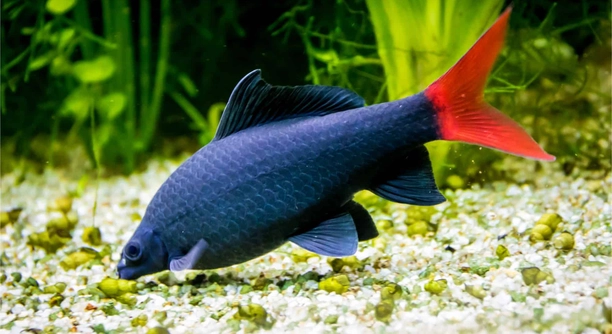
Are your rainbow sharks acting stressed or aggressive, even though you’ve set up what seems like a perfect tank for them?
Many common tank setup mistakes can lead to health issues and aggressive behavior in rainbow sharks. Incorrect tank size, improper substrate, lack of hiding spots, and poor tank mates often contribute to stress and territorial disputes.
Small setup errors can have a lasting impact, but identifying them early can help you create a healthier and more peaceful aquarium environment.
Using a Tank That’s Too Small
A rainbow shark needs space to swim, claim territory, and feel secure. Many people start with tanks that are too small, thinking these fish will adapt. However, a cramped tank can lead to stress, aggressive behavior, and stunted growth. Rainbow sharks are semi-aggressive and need plenty of room to reduce conflict with other fish. A tank that’s at least 55 gallons gives them enough space to roam and establish their territory. When the space is too limited, they may lash out, chase tank mates, or become reclusive. This can lead to unnecessary injuries or long-term health problems. A small tank also makes it harder to maintain stable water quality, which increases the risk of disease. Always think about the adult size of the fish, not just their size when purchased. Choosing a larger tank from the beginning helps avoid common behavioral problems and creates a more peaceful and stable environment.
Smaller tanks might seem easier to manage, but they often lead to bigger problems with rainbow sharks.
When planning your setup, prioritize a tank that meets the rainbow shark’s adult size and activity needs. This reduces aggressive outbursts, promotes stable water conditions, and allows for better compatibility with peaceful bottom dwellers and mid-level swimmers. A spacious tank also supports a wider variety of aquascaping options.
Adding Incompatible Tank Mates
Rainbow sharks don’t get along with every species. Choosing the wrong tank mates can result in fights, injuries, or constant stress.
These fish are territorial, especially as they grow older. Keeping them with similar-looking or bottom-dwelling fish—like redtail sharks, other rainbow sharks, or loaches—can lead to constant chasing and aggression. Peaceful fish like guppies or bettas may also get bullied, especially in smaller tanks. The best tank mates are fast-swimming, mid-to-top level fish that stay out of the rainbow shark’s territory. Avoid fish that resemble them in shape or color. Consider barbs, danios, or rainbowfish, as they’re active and can hold their own without provoking aggression. Never house two rainbow sharks together unless the tank is over 125 gallons and full of hiding spots. When introducing new fish, rearrange the tank decor to disrupt established territories and lower tension. Compatibility is not just about temperament—it’s also about swimming levels, feeding behavior, and environmental needs. A peaceful tank depends on careful planning and observation.
Using the Wrong Substrate
Sharp or rough substrate can damage the rainbow shark’s sensitive underside and barbels. Sand or smooth gravel is a better choice. It helps prevent injuries, supports natural foraging behaviors, and keeps the tank safer and more comfortable for bottom-dwelling fish.
Rainbow sharks often graze along the tank floor, using their mouths to sift through the substrate. Rough or jagged gravel can lead to scrapes, infections, or stress. In contrast, soft sand or rounded gravel mimics their natural habitat and allows them to explore without risk. It’s also easier to clean and keeps waste from settling deep. A proper substrate helps reduce territorial stress and encourages natural movement. If you’re mixing tank mates like corydoras or kuhli loaches, smooth substrate is essential for their safety as well. Choose a base that supports both your rainbow shark’s health and the balance of your tank’s ecosystem.
Poor substrate choice affects more than just comfort—it can impact your tank’s cleanliness too. Sharp gravel traps waste, making it harder to remove during cleaning. This leads to higher ammonia levels and unhealthy water conditions. Smooth substrates make it easier to vacuum the tank during water changes, promoting long-term cleanliness. Cleaner substrate also means clearer water and happier fish.
Neglecting Hiding Spaces
Rainbow sharks need places to hide, even though they are active swimmers. A tank without hiding spots increases stress and causes aggressive behavior. Providing caves, driftwood, and dense plants creates safe areas where they can rest or escape from other fish.
A stressed rainbow shark becomes territorial and unpredictable. Giving them a few hiding spaces helps them feel secure and keeps aggression in check. These spots break line of sight and help reduce dominance fights. Natural decorations like rocks or driftwood work well, but make sure they don’t take up too much swimming space. Hiding places also give shy fish a chance to avoid confrontation. Even a single well-placed cave can make a difference. The key is to balance open areas for swimming with sheltered corners for retreat. When fish feel safe, they behave more calmly and are less likely to lash out. Proper tank design improves the overall mood of the aquarium.
Using Bright or Inconsistent Lighting
Too much light can stress rainbow sharks, especially in tanks without enough plants or hiding spots. Sudden lighting changes also trigger aggression. Stick to a consistent lighting schedule of 8–10 hours daily using a timer if needed.
Avoid harsh overhead lights or bright white LEDs that mimic daylight too closely. Softer lighting helps your fish feel secure.
Skipping a Proper Cycling Process
A fully cycled tank is essential before adding rainbow sharks. Ammonia and nitrite levels must be zero, and nitrate should remain low. These fish are sensitive to poor water conditions, and placing them in an uncycled tank can quickly lead to illness or death. Cycling allows beneficial bacteria to establish, breaking down waste safely. Skipping this step forces your fish to live in a toxic environment, often leading to burns, gasping at the surface, or odd behavior. Use a test kit to track your progress. Patience is key—allow the tank to cycle fully before introducing your rainbow shark to keep it healthy from day one.
Overfeeding the Tank
Feeding too often or too much causes waste buildup and cloudy water. Stick to small portions once or twice a day. Remove any uneaten food within a few minutes to avoid extra ammonia in the tank.
FAQ
How big do rainbow sharks get?
Rainbow sharks can grow up to 6 inches in length when fully mature. They start small, which often misleads new aquarists into choosing a small tank. However, these fish need a larger space to swim and establish territory. Always plan for their adult size when selecting a tank. A 55-gallon tank is the minimum recommended size, especially if you want to keep other fish in the same setup. Keeping them in a small tank can lead to stunted growth, health problems, and increased aggression. A full-sized rainbow shark in a spacious tank is more active and displays better coloration.
Can I keep more than one rainbow shark together?
It’s best to keep only one rainbow shark per tank unless you have a very large aquarium. These fish are territorial and will fight if kept with others of their kind. If you want to try keeping more than one, the tank should be at least 125 gallons and filled with rocks, plants, and caves to break up sight lines. Even then, it’s risky and may result in injury. Most hobbyists avoid keeping multiple rainbow sharks unless they’re experienced with aggressive fish. A single rainbow shark in a well-planned tank tends to do better and live longer.
Do rainbow sharks need a filter?
Yes, a filter is essential. Rainbow sharks produce waste like all fish, and a filter helps remove ammonia, nitrites, and other harmful substances. Strong water movement from the filter also helps keep oxygen levels stable. Choose a filter rated for a tank size larger than your actual setup for better performance. Regularly clean or replace filter media to keep it working efficiently. In tanks without a good filter, water quality drops quickly, stressing your fish and leading to disease. A clean, filtered tank supports a stronger immune system and helps prevent algae buildup.
What temperature should the water be?
Keep the water temperature between 75°F and 80°F. Rainbow sharks are tropical fish and do best with consistent warmth. Sudden changes in temperature can cause stress or illness. Use an aquarium heater with a built-in thermostat to maintain stable temperatures. Place the heater near the filter for even heat distribution. During colder months, monitor the tank more often, especially if your room temperature drops overnight. Cold water can weaken your fish’s immune system and increase aggression. Consistency is key, so avoid large fluctuations, even if they’re still within the acceptable range.
What do rainbow sharks eat?
They eat a mix of flakes, sinking pellets, and fresh or frozen foods like bloodworms, brine shrimp, and blanched vegetables. A varied diet supports their color and health. Feed small amounts once or twice a day. Overfeeding can foul the water and lead to health issues. Choose high-quality food with balanced nutrients. Sinking pellets are especially useful since rainbow sharks tend to feed near the bottom. Avoid feeding only one type of food long-term. Adding vegetables like zucchini or spinach once a week can help with digestion. Keep portions small and observe how much they eat within a couple of minutes.
Do rainbow sharks get along with plants?
Yes, they usually leave plants alone. Live plants help provide cover, reduce stress, and improve water quality. Use sturdy plants like Anubias, Java fern, or Amazon sword. These plants handle moderate lighting and do well in a rainbow shark tank. Floating plants also help diffuse lighting and create shady spots. Avoid delicate or high-maintenance species unless you’re experienced with planted tanks. Plants also help break up sight lines, which can reduce territorial disputes. In tanks with aggressive fish, plants double as shelter for other species. Make sure plants are rooted securely, especially if your shark tends to dig.
Do rainbow sharks need a lot of attention?
Not much, but they do require consistent care. Regular water changes, filter maintenance, and feeding are enough to keep them happy. Observe their behavior during feeding and routine cleaning. Sudden changes in activity can signal health issues. You don’t need to interact with them daily, but don’t neglect weekly care. Keep the tank clean and stable, and they’ll stay healthy. Unlike more social fish, rainbow sharks are independent and can be shy. They may hide often, especially in tanks with a lot of movement. Still, they benefit from a calm environment and reliable upkeep.
Final Thoughts
Rainbow sharks can be rewarding to keep, but they do require careful planning and attention. Many problems start with simple setup mistakes—like choosing the wrong tank size or skipping essential equipment. These fish are active, territorial, and sensitive to poor water conditions. Once they become stressed, their behavior changes quickly. By understanding their needs early on, you can avoid common issues that affect their health and behavior. Providing enough space, using the right substrate, and avoiding aggressive tank mates can make a big difference in your tank’s success. Every part of the setup, from lighting to decor, plays a role in how your rainbow shark behaves and thrives.
Water quality should always be a top priority. A good filter, regular water changes, and a proper tank cycle will help keep ammonia and nitrite levels at zero. Feeding should be consistent but limited to avoid overloading the system. Adding hiding spaces and using calm lighting also helps lower aggression. These simple steps don’t take much time, but they have a strong impact. If your rainbow shark seems stressed or sick, checking the setup is the first thing to do. Often, a small change can improve the whole environment. Watching your fish behave naturally and swim confidently is the best sign that your tank is working well.
Keeping rainbow sharks isn’t about doing everything perfectly. It’s about learning and making small improvements when needed. Mistakes happen, but most are easy to fix once you understand the cause. Taking the time to research and observe your tank can prevent many problems before they begin. Even experienced fishkeepers run into issues now and then. The key is to stay consistent with care and patient when making changes. Rainbow sharks can live for several years if well cared for. With the right tank setup and proper maintenance, they can be a beautiful and interesting part of your aquarium. Whether you’re new to keeping fish or have some experience, a bit of extra planning goes a long way in creating a peaceful, healthy space for your rainbow shark to live in.

Hello,
If you enjoy the content that we create, please consider saying a "Thank You!" by leaving a tip.
Every little bit helps us continue crafting quality advice that supports the health, happiness, and well-being of pets around the world, for pets of all shapes, sizes, and species.
We really appreciate the kindness and support that you show us!