
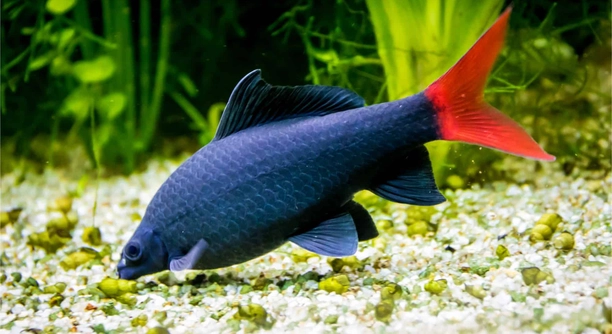
Do your rainbow shark’s tankmates often end up stressed or hiding, making your community tank feel tense and unbalanced?
The best way to get your rainbow shark to live peacefully with other fish is by managing tank size, selecting compatible species, and minimizing territorial behavior through thoughtful tank decoration and consistent environmental conditions.
Creating a balanced aquarium takes a bit of planning, but it helps your rainbow shark live more calmly alongside its tankmates.
Choose the Right Tank Size
Rainbow sharks need plenty of room to swim and claim territory. A tank that’s too small can cause stress and aggression. A 55-gallon tank or larger is ideal for one rainbow shark. This allows it to establish a zone without constantly bumping into other fish. When the tank is too cramped, your shark may chase or nip at others, especially bottom dwellers. Giving your fish more space will reduce these encounters and help everyone stay calmer. Larger tanks also help keep water quality more stable, which supports the health of all your fish and reduces the risk of illness.
A cramped tank increases stress levels and makes it harder for your rainbow shark to coexist peacefully with others.
When I upgraded to a 55-gallon tank, I noticed my rainbow shark became less territorial. It had room to explore and settle into a spot without clashing with others. This small change helped improve the behavior of all the fish.
Pick Compatible Tankmates
Avoid other aggressive bottom dwellers. Choose mid-to-top swimmers that don’t resemble your rainbow shark in shape or color.
Rainbow sharks do best with peaceful fish that stay out of their way. Good options include barbs, danios, and rasboras. These species usually swim in the middle or upper parts of the tank and don’t challenge the shark’s space. Avoid other shark-shaped fish or slow swimmers like angelfish, as they may trigger territorial behavior. Fish that move quickly and in groups tend to get along better with rainbow sharks. Try to add all tankmates at once or rearrange decor when adding new ones—this resets territories and reduces stress. Keep an eye on interactions. If one fish seems constantly chased or nipped, it may not be a good match. It’s always better to make changes early than to wait for injuries.
Rearrange Decorations to Break Line of Sight
Use rocks, driftwood, and plants to break up open areas and block direct views across the tank. This helps reduce chasing and stress among your fish, especially when the rainbow shark starts acting territorial.
Creating physical barriers in your aquarium gives fish safe zones where they can rest or hide if needed. Line-of-sight breaks stop your rainbow shark from seeing and chasing other fish constantly. It’s best to spread out decorations in layers—some high, some low—so fish can choose where to go. Floating plants can also help shield upper swimmers. When I added caves and driftwood to my setup, my rainbow shark focused more on patrolling one section than chasing tankmates. A well-decorated tank isn’t just pretty—it gives your fish more choices and makes conflicts less likely. Even small changes in layout can make a big difference in behavior.
These decorations should be rearranged every now and then, especially when adding new fish. Rearranging resets any claimed territory and levels the field for newcomers. I’ve found it helpful to change things before adding a new fish or after noticing signs of stress. Keep sharp edges away from swimming areas to avoid injury. A calm tank environment leads to fewer injuries and a healthier group overall.
Feed Properly and on Schedule
Feeding all fish at the same time in multiple areas can reduce competition and tension. A distracted rainbow shark is less likely to act aggressively during feeding time.
Use sinking pellets for your rainbow shark and floating flakes or pellets for other species. Spread the food around the tank so each fish can eat in its space. I usually feed at the same time every day—this routine lowers stress and gives fish a sense of predictability. A well-fed rainbow shark is less likely to chase tankmates looking for more food. Avoid overfeeding, though, as it can lead to water problems. It helps to watch how quickly the food disappears and adjust accordingly. Some fish are slower eaters and need extra attention to make sure they’re not left out.
Feeding should be quick and calm. Aggressive feeding can be a sign your rainbow shark isn’t getting enough or is too stressed. You can try distracting it with a sinking pellet in one corner while the other fish eat elsewhere. If you feed frozen or live food, use a feeding ring or dropper to target specific fish. I’ve noticed that consistent feeding routines make the tank quieter and more relaxed overall. Balanced nutrition and timing really help keep the peace.
Monitor Behavior Closely
Watch for signs of aggression like chasing, fin nipping, or one fish always hiding. These behaviors usually mean your rainbow shark is feeling territorial or stressed. Addressing it early prevents injuries and keeps your fish from becoming too anxious or ill.
If problems keep happening, consider separating the aggressive fish or rehoming it. Sometimes, no matter what changes you make, a rainbow shark might not get along with certain tankmates. It’s better to act early than wait for serious problems or injuries to show up later.
Keep Water Conditions Stable
Stable water conditions help all fish feel safer and more relaxed. Make sure ammonia and nitrite stay at zero, and nitrate stays low. Rainbow sharks can become more aggressive if water quality declines, especially if there’s a sudden spike or drop in parameters. I check my water once a week and do regular water changes. Use a good filter that fits your tank size and clean it as needed. Keep the temperature around 75–81°F, and avoid drastic shifts. A steady environment lowers stress, keeps disease away, and supports better behavior overall. It’s one of the most important parts of peaceful tank life.
Avoid Housing Multiple Rainbow Sharks
Keeping more than one rainbow shark in the same tank often leads to constant fighting. They’re naturally territorial and don’t tolerate others of their kind well in small spaces.
How can I tell if my rainbow shark is stressed or aggressive?
Signs of stress or aggression include frequent chasing, fin nipping, hiding fish, and erratic swimming. A stressed rainbow shark may lose color or stop eating. If you notice these behaviors, it usually means the tank environment needs adjustment, such as more space or better hiding spots.
What is the ideal tank size for a rainbow shark?
A minimum of 55 gallons is recommended for one rainbow shark. This size provides enough swimming space and room to establish territories. Smaller tanks tend to increase aggression and stress, as the fish feel crowded and unable to escape from others.
Can rainbow sharks live with other bottom dwellers?
It’s best to avoid housing rainbow sharks with other bottom-dwelling fish, especially similar species like other sharks or slow-moving catfish. These fish often compete for the same space, leading to fights and stress. Choose mid-to-top swimmers instead.
How often should I feed my rainbow shark?
Feed your rainbow shark once or twice daily, offering sinking pellets designed for omnivores. Avoid overfeeding, as leftover food can pollute the tank. Make sure all fish get their share by spreading food around and feeding at consistent times.
What tankmates are compatible with rainbow sharks?
Good tankmates include fast, peaceful fish like barbs, danios, and rasboras that swim in mid or upper levels. Avoid aggressive or slow fish that may trigger territorial behavior. Adding tankmates at the same time helps reduce territorial disputes.
How can I reduce chasing in the tank?
Breaking up the tank with decorations like rocks, plants, and driftwood creates hiding places and visual barriers. Rearranging decor periodically resets territories, reducing chasing. A well-decorated tank gives fish options to avoid conflict.
Is it okay to keep multiple rainbow sharks together?
Multiple rainbow sharks usually do not get along unless the tank is extremely large (over 100 gallons). They are territorial and will fight for space. It’s safer to keep only one per tank to avoid injury and stress.
How important is water quality for rainbow sharks?
Water quality is critical. High ammonia, nitrite, or nitrate levels cause stress and weaken fish, increasing aggression. Regular water testing and changes keep the environment healthy and reduce territorial fights. Stable temperature and good filtration also support peaceful behavior.
What should I do if my rainbow shark is aggressive toward certain fish?
If aggression continues despite changes, try separating the aggressive fish temporarily or permanently. Sometimes rehoming is necessary. Providing enough space, hiding spots, and compatible tankmates helps, but individual fish personalities vary.
Can feeding routines affect aggression?
Yes. Inconsistent feeding or food shortages can increase aggression as fish compete for food. Feeding at the same times daily with enough food spread around reduces competition and stress, keeping your rainbow shark calmer.
How often should I rearrange the tank decorations?
Rearranging every few weeks or before adding new fish helps reset territorial boundaries. Avoid frequent changes, as this can stress fish. Rearranging at the right time encourages more peaceful coexistence and less chasing.
Are there signs that a fish is being bullied in the tank?
Look for torn fins, constant hiding, loss of appetite, or unusual lethargy. These signs mean the fish is being stressed or chased. Early intervention by adjusting tank setup or separating aggressive fish helps prevent serious injury.
What temperature range is best for rainbow sharks?
Keep the water between 75°F and 81°F. Sudden temperature changes or extremes can stress fish and increase aggression. A stable, warm environment supports healthy behavior and immune function.
Can tank size alone guarantee peaceful behavior?
Tank size is important but not the only factor. Proper tankmates, good decoration, stable water, and feeding routines all contribute. Even in large tanks, poor setup or incompatible fish can cause problems. A balanced approach works best.
What type of filter is recommended for a rainbow shark tank?
Use a filter rated for your tank size that provides good water circulation and biological filtration. Clean the filter regularly to maintain water quality. Strong but gentle flow mimics their natural habitat and reduces stress.
Is it normal for rainbow sharks to be shy at first?
Yes, rainbow sharks can be shy or hide during the first few days in a new tank. Give them time to explore and settle. Providing hiding spots helps them feel safe until they adjust.
These FAQs cover many common concerns when keeping rainbow sharks with other fish. Taking care of tank size, tankmates, decorations, feeding, and water quality reduces stress and aggression, helping your rainbow shark live peacefully in a community aquarium.
Managing a rainbow shark’s behavior in a community tank requires careful attention to several key factors. The size of the tank plays a significant role in reducing territorial aggression. Providing at least a 55-gallon tank offers enough space for your rainbow shark to explore and claim its own area without constantly disturbing other fish. Along with tank size, choosing compatible tankmates that swim in different zones or have peaceful temperaments helps maintain balance. Decorations that break up the line of sight further minimize conflicts by giving fish places to hide or avoid each other.
Feeding routines also influence the harmony in your tank. Feeding your rainbow shark and other fish at the same time and in multiple spots lowers competition for food and decreases stress. Proper nutrition, combined with stable and clean water conditions, supports overall fish health and calm behavior. Regular water testing and changes keep ammonia, nitrites, and nitrates at safe levels, preventing environmental stress that can lead to aggression. Consistency in temperature and filter maintenance also helps create a comfortable habitat for all your aquatic pets.
Even with the best setup, some rainbow sharks may show territorial behavior. In these cases, monitoring interactions closely and making adjustments as needed is important. Rearranging decorations or temporarily separating aggressive individuals can help restore peace. Avoid keeping multiple rainbow sharks together unless the tank is very large, as this often leads to fighting. With patience and proper care, it is possible to enjoy a peaceful, lively community tank that includes a rainbow shark without constant stress or conflict.

Hello,
If you enjoy the content that we create, please consider saying a "Thank You!" by leaving a tip.
Every little bit helps us continue crafting quality advice that supports the health, happiness, and well-being of pets around the world, for pets of all shapes, sizes, and species.
We really appreciate the kindness and support that you show us!