
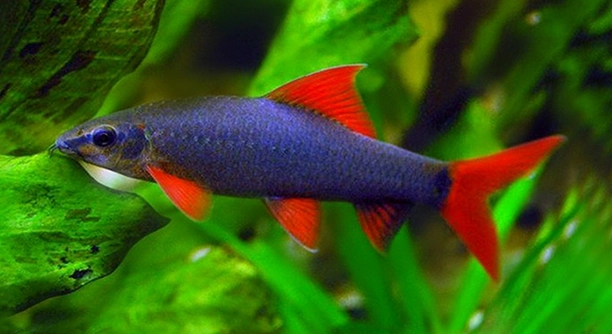
Choosing the right tankmates for your Rainbow Shark is important to keep your aquarium peaceful and healthy. These fish can be territorial, so selecting compatible companions helps avoid stress and fights in the tank. Careful planning ensures a balanced environment.
When choosing tankmates for Rainbow Sharks, it is essential to select species that can tolerate similar water conditions, avoid aggressive or slow-moving fish, and provide enough space to reduce territorial disputes. Proper selection promotes coexistence and overall tank harmony.
Knowing how to pick the best companions will help maintain a calm and thriving aquarium with your Rainbow Shark. The next sections explain what to consider for successful tankmate choices.
Understanding Rainbow Shark Behavior
Rainbow Sharks are known for their territorial nature, especially as they mature. They tend to defend their space vigorously, which can lead to conflicts if tankmates are not chosen carefully. These fish prefer hiding spots and open swimming areas, so a tank setup with plenty of decorations and plants can help reduce stress. It is important to avoid overcrowding because that increases aggression. Also, Rainbow Sharks are more active during the day and need room to swim freely. When they feel threatened or cramped, they may become hostile toward other fish. Knowing these behaviors helps in selecting tankmates that can coexist peacefully. Keeping the tank clean and stable with proper water parameters supports their health and reduces aggressive tendencies. Overall, understanding their natural instincts makes it easier to maintain harmony in your aquarium.
Territoriality is strongest when the tank is small or overcrowded. Space is key to peaceful interactions.
Keeping an eye on your Rainbow Shark’s behavior and making adjustments to tank conditions or companions early can prevent long-term issues. Adding hiding places helps reduce stress for all fish. Tankmates that swim in different tank levels or are fast swimmers tend to get along better with Rainbow Sharks. Slow or timid fish often face harassment. Observing how your fish interact daily is important. If aggression appears, consider rearranging the tank or separating the fish temporarily. Over time, many Rainbow Sharks adjust to their tankmates if space and environment are adequate. This balance creates a healthy setting where all species thrive together.
Choosing Compatible Tankmates
Choosing tankmates that can tolerate the same water conditions as Rainbow Sharks is essential. These fish prefer temperatures between 72-79°F and a pH of 6.5 to 7.5. Species that share similar needs are less likely to cause stress or illness. Avoid aggressive fish or those that nip fins, as this can provoke the Rainbow Shark to respond aggressively. Peaceful, mid- to bottom-dwelling fish often work best.
Good tankmates include certain species of tetras, barbs, and danios that swim in different levels of the tank. Avoid slow-moving or long-finned fish like bettas or angelfish, which can become targets. Providing enough space, at least 30 gallons or more, allows fish to establish territories and avoid constant conflict. Adding plants and hiding spots gives fish refuge when needed. Regular observation ensures that all fish coexist without harm. Making careful choices upfront saves trouble later and promotes a stable community tank.
Tank Setup Tips for Rainbow Sharks
A well-arranged tank helps reduce aggression among Rainbow Sharks and their tankmates. Provide plenty of hiding spots using rocks, driftwood, or plants. This allows shy fish to retreat when needed. Keep open swimming areas to accommodate the Rainbow Shark’s active nature.
A spacious tank of at least 30 gallons is recommended to reduce territorial disputes. Using tall plants and decorations to break sightlines helps fish feel less threatened by others. Regular water changes and good filtration maintain clean water, which supports fish health and lowers stress levels. Avoid sharp decorations to prevent injuries, as Rainbow Sharks like to explore the bottom.
Lighting should be moderate, not too bright, to mimic their natural habitat and keep the fish comfortable. Consider floating plants to soften the light. Creating a balanced environment in the tank promotes peace and helps Rainbow Sharks coexist with other species smoothly.
Feeding and Nutrition Considerations
Rainbow Sharks are omnivores and need a varied diet to stay healthy. High-quality sinking pellets or wafers form the base of their diet. Supplement this with live or frozen foods like bloodworms or brine shrimp for extra protein.
Feeding small amounts two to three times daily prevents overeating and water pollution. Offer vegetables like blanched zucchini or spinach occasionally to provide fiber and nutrients. Watch how your fish respond to different foods and adjust accordingly. Avoid overfeeding, which can lead to health problems and tank water issues.
Providing balanced nutrition helps Rainbow Sharks maintain their color and energy levels. Proper feeding also reduces aggression, as well-fed fish are less likely to compete fiercely for food. A consistent feeding routine supports their well-being and promotes a peaceful aquarium environment.
Monitoring Fish Behavior
Watching your fish regularly helps catch early signs of stress or aggression. Notice if any fish are hiding more than usual or showing damaged fins.
Changes in swimming patterns or frequent chasing can indicate tension. Address these issues quickly to maintain a peaceful tank environment.
Signs of Incompatibility
When tankmates do not get along, signs such as constant chasing, fin nipping, or hiding appear. These behaviors stress the fish and can lead to illness.
If aggression persists despite tank adjustments, separating the fish may be necessary to protect their health and well-being.
Maintaining Water Quality
Consistent water testing and changes keep the tank stable. Rainbow Sharks are sensitive to poor water conditions, so maintaining cleanliness is vital.
Regular filter maintenance and monitoring ammonia, nitrite, and nitrate levels ensure a healthy habitat for all fish.
Adjusting Tankmates Over Time
As your Rainbow Shark grows, its behavior may change. Periodically reassess tankmates and the environment to prevent conflicts.
Adding or removing fish based on compatibility helps maintain balance and reduces stress in the aquarium.
FAQ
What tank size is best for a Rainbow Shark and its tankmates?
A minimum of 30 gallons is recommended for one Rainbow Shark with compatible tankmates. This size provides enough space to reduce territorial behavior and allows room for hiding spots and swimming areas. Larger tanks are even better, especially if you plan to keep multiple fish or species.
Can Rainbow Sharks live with other bottom dwellers?
Rainbow Sharks can live with some bottom dwellers, but it depends on the species. Avoid overly slow or peaceful bottom fish, as they might get stressed or bullied. Faster, more assertive species that occupy different tank levels usually coexist better.
Are Rainbow Sharks aggressive?
Rainbow Sharks display territorial aggression, especially as they mature. They can be aggressive toward fish that invade their space or are slow-moving. Proper tank size, hiding places, and compatible tankmates help minimize aggressive behavior.
What species make good tankmates for Rainbow Sharks?
Good tankmates include fast-moving fish like barbs, danios, and some tetras. These fish occupy different swimming levels and have similar water requirements. Avoid long-finned or slow fish that may be targets of aggression.
How often should I feed my Rainbow Shark?
Feeding two to three small meals a day is ideal. Overfeeding can pollute the water and cause health issues. Offer a mix of sinking pellets and occasional live or frozen foods to keep their diet balanced.
Can Rainbow Sharks be kept in a community tank?
Yes, but only with careful selection of tankmates and sufficient space. Their territorial nature means the tank must be large and well-decorated with plenty of hiding spots to keep peace.
What water conditions do Rainbow Sharks need?
They prefer water temperatures between 72-79°F and a pH range of 6.5 to 7.5. Stability is important; sudden changes can stress the fish and increase aggression.
How do I know if my Rainbow Shark is stressed?
Signs of stress include hiding excessively, loss of color, rapid breathing, and refusal to eat. Stress often results from poor water quality, overcrowding, or incompatible tankmates.
What should I do if my Rainbow Shark is bullying other fish?
Try rearranging the tank layout to disrupt established territories. Increase hiding spots or add more space if possible. If aggression continues, separating the fish might be necessary.
Can Rainbow Sharks live with shrimp or snails?
Small shrimp or snails may be at risk as Rainbow Sharks might see them as food. Larger, hard-shelled snails can sometimes coexist, but always monitor interactions closely.
How can I reduce aggression in the tank?
Provide a large enough tank with hiding places and visual barriers. Choose fast, non-aggressive tankmates and keep the environment stable. Regular observation helps spot and address issues early.
Is it necessary to have multiple Rainbow Sharks?
It’s generally better to keep one Rainbow Shark per tank unless the tank is very large and has plenty of hiding spots. Multiple Rainbow Sharks often compete for territory, leading to aggression.
Do Rainbow Sharks need plants in their tank?
Plants are beneficial as they provide hiding spots and break up sightlines. Choose hardy plants that can tolerate the Rainbow Shark’s activity near the bottom of the tank.
How often should I clean the tank?
Regular water changes of about 25% weekly help maintain water quality. Clean the substrate and decorations as needed, but avoid disturbing the fish too much during cleaning.
Can Rainbow Sharks jump out of the tank?
Rainbow Sharks can jump, so it’s important to have a secure lid to prevent escapes. This also helps maintain stable water conditions.
What signs indicate tankmate incompatibility?
Constant chasing, fin nipping, hiding, or damaged fins are signs of incompatibility. Persistent aggression usually means the tankmates do not belong together.
How do I introduce new tankmates to a Rainbow Shark tank?
Add new fish slowly and observe their interactions. Rearranging tank decorations before introducing new fish can help reduce territorial aggression by disrupting established boundaries.
Can Rainbow Sharks tolerate different water parameters?
They prefer stable conditions close to their ideal temperature and pH. Sudden changes or extremes can cause stress and increase aggressive behavior.
Is it okay to keep Rainbow Sharks with aggressive fish?
It’s best to avoid aggressive tankmates, as this can cause fights and injury. Choose peaceful or semi-aggressive species with similar temperament and space requirements.
What is the best diet for maintaining Rainbow Shark coloration?
A varied diet including high-quality pellets, live or frozen protein, and occasional vegetables supports vibrant colors. Consistent feeding and good water quality also play a role.
Can Rainbow Sharks live alone?
Yes, Rainbow Sharks do well alone if their environment is stimulating and clean. They often establish territories more peacefully without other Rainbow Sharks nearby.
This FAQ covers common concerns and practical advice to help maintain a peaceful tank environment with Rainbow Sharks and their tankmates. Following these guidelines helps ensure your aquarium stays balanced and healthy.
Choosing the right tankmates for your Rainbow Shark is important to create a peaceful and healthy aquarium. These fish have a natural territorial behavior, so careful selection of companions can prevent fights and stress. Providing enough space and hiding spots in the tank helps reduce aggression and allows all fish to feel secure. Keeping water conditions stable and clean supports the well-being of Rainbow Sharks and their tankmates. When these factors are considered, you can enjoy a balanced and lively aquarium.
It is essential to observe your fish regularly to notice any signs of tension or stress. Changes in behavior, like excessive hiding or chasing, often indicate a problem. Taking action early by adjusting tank layout, increasing space, or changing tankmates can improve the situation. Feeding your Rainbow Shark a varied diet and avoiding overfeeding also contributes to calmer behavior. Healthy fish are less likely to show aggression. While some trial and error may be involved in finding the right balance, patience and attention to details will lead to success.
Overall, maintaining harmony in a tank with a Rainbow Shark requires understanding its needs and natural instincts. Selecting compatible species, offering adequate space, and monitoring water quality are key steps. With proper care, Rainbow Sharks can live peacefully alongside other fish. This balance creates an enjoyable environment for both the fish and the owner. Being mindful of these factors makes it easier to manage your aquarium and helps your Rainbow Shark thrive.

Hello,
If you enjoy the content that we create, please consider saying a "Thank You!" by leaving a tip.
Every little bit helps us continue crafting quality advice that supports the health, happiness, and well-being of pets around the world, for pets of all shapes, sizes, and species.
We really appreciate the kindness and support that you show us!