
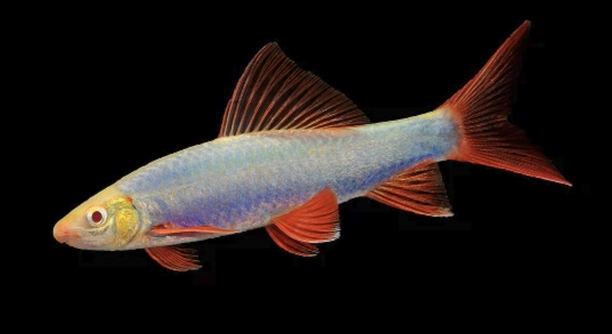
Is your rainbow shark acting restless, aggressive, or hiding more than usual around other fish in the tank? These behaviors might be signs of social stress or discomfort caused by incompatible tankmates.
Rainbow sharks are territorial by nature and often react poorly to certain fish sharing their space. Signs of distress include chasing, fin nipping, excessive hiding, or refusal to eat. Understanding these behaviors can help maintain a peaceful tank environment.
Knowing what behaviors to watch for can help you create a safer, healthier home for both your rainbow shark and its tankmates.
Aggression Toward Other Fish
Rainbow sharks can become aggressive if they feel threatened or challenged in their space. This is especially common when kept with bottom dwellers or other semi-aggressive species. You might notice your shark chasing others, nipping fins, or dominating specific areas of the tank. These signs usually point to a problem with territory or hierarchy. In smaller tanks, aggression becomes more intense because there is less room to establish boundaries. While some fish may tolerate the behavior, others can become stressed or injured over time. It’s important to monitor interactions closely, especially after adding new tankmates. If aggression continues, it may lead to illness or injury, affecting the well-being of all fish involved. Creating hiding spots or rearranging the tank layout can sometimes help reduce aggressive behavior by breaking visual lines and establishing new boundaries. Choosing peaceful, mid- to top-dwelling tankmates also makes a difference.
Aggression often starts with chasing and quickly escalates if left unchecked. Stress levels rise for all fish, leading to potential health issues and conflict.
Keeping the tank well-planted with caves or driftwood gives fish the ability to escape conflict. These hiding spaces help reduce direct encounters and give your rainbow shark time to calm down. Balanced tank arrangements make a big difference.
Unusual Hiding Behavior
Rainbow sharks enjoy having a secure space to rest, but excessive hiding can be a sign something is wrong. If your shark spends most of its time tucked away and avoids interactions, it might be stressed by tankmates.
Stress from incompatible companions can wear down your rainbow shark. Territorial disputes or constant chasing can force it into hiding for long periods. While hiding occasionally is normal, doing so all day may weaken its immune system and reduce appetite. Keep an eye out for other signs like rapid gill movement or dull coloring, which often appear alongside extended hiding. A tank that lacks proper zones or has limited floor space makes this worse. Avoid pairing your rainbow shark with aggressive or overly active species that may intimidate it. Separating certain fish or increasing tank size can sometimes solve the issue. Giving your shark places to hide, while also limiting the need to use them constantly, creates a better balance.
Loss of Appetite
A rainbow shark that refuses to eat may be feeling threatened by its tankmates. Competition during feeding or constant chasing can cause anxiety, making it hard for the shark to focus on food or even reach it in time.
If your rainbow shark starts ignoring food it once enjoyed, it’s worth looking at its environment. Harassment by more dominant fish can lead to skipped meals. Over time, this can result in weight loss and poor health. You might also notice the shark hovering in corners or near hiding spots during feeding times, trying to avoid others. This behavior signals discomfort. Ensuring your shark has quiet access to food—using sinking pellets or feeding on opposite ends of the tank—can help. Separating aggressive fish during feeding or changing feeding spots may also reduce the stress that’s keeping your rainbow shark from eating.
Feeding problems are often overlooked, but they’re a big sign something is off in the tank. If one fish eats everything while your rainbow shark stays back, you may need to create a better balance. Make sure food reaches different levels of the tank and monitor how each fish responds. Sometimes, it’s not what you feed but how it’s offered that makes the difference.
Faded or Dull Coloration
Color changes are usually a reflection of health and stress. When a rainbow shark starts losing its bright tones, it could mean the fish feels overwhelmed by tank dynamics. This often happens when it’s housed with aggressive or fast-moving species.
Constant stress affects a rainbow shark’s overall appearance. Its natural bold colors can fade, turning pale or dull, especially when the fish is overpowered or outcompeted. The problem gets worse if the tank is small, overcrowded, or lacks structure. Without a secure territory, rainbow sharks feel vulnerable, and that emotional strain shows up physically. If the water parameters are stable and diet is consistent, the color change is likely social. Adding visual barriers, creating zones, or adjusting lighting may help improve comfort. Observing which fish cause this change can also guide you in deciding whether to rehome certain tankmates. The goal is to keep your rainbow shark calm, confident, and vibrant.
Constant Swimming or Pacing
If your rainbow shark keeps swimming along the glass or pacing back and forth, it may be feeling trapped or anxious. This kind of behavior often shows that the tank is too small or the fish feels cornered.
Constant movement can also mean it’s trying to escape tension with other fish. When there’s no calm space or when tankmates invade its territory, the shark may not feel secure enough to rest. Watching for patterns can help pinpoint which fish are causing stress.
Torn or Damaged Fins
Torn fins are usually caused by aggressive tankmates or repeated chasing. While rainbow sharks can be assertive themselves, they don’t always win every conflict. If another fish bites or nips often, the shark’s fins won’t heal properly. Over time, this can lead to infection or make it harder for the shark to swim. A stressed fish with damaged fins may hide more often and become less active overall. If the water quality is good but fin damage keeps happening, it’s likely a social issue. Separating the fish or rearranging the tank to break up aggression zones can often solve the problem.
Sudden Change in Behavior
A rainbow shark that suddenly becomes more aggressive or overly withdrawn is likely reacting to new stress. This shift often happens after adding tankmates or changing the tank layout. Watch how it interacts to find the source.
FAQ
How can I tell if my rainbow shark is stressed by its tankmates?
Stress in rainbow sharks shows through several behaviors like hiding more than usual, chasing other fish aggressively, or refusing to eat. You might also see torn fins, dull colors, or constant pacing along tank walls. These signs mean your shark feels unsafe or crowded.
What types of fish are best to keep with rainbow sharks?
Peaceful, mid-level swimmers are ideal companions. Avoid other bottom-dwellers or aggressive species, as they can trigger fights. Fish like tetras, danios, or peaceful barbs generally do well with rainbow sharks if the tank is large enough and has plenty of hiding spots.
Can tank size affect my rainbow shark’s behavior?
Absolutely. Rainbow sharks need at least a 55-gallon tank to have enough space to claim territory and avoid constant confrontations. Smaller tanks often cause stress, leading to aggressive or shy behavior. More room reduces conflict and helps maintain peace.
Why does my rainbow shark hide so much?
Excessive hiding is a defense mechanism. It usually means the shark feels threatened by dominant or aggressive tankmates. Limited hiding places or overcrowded conditions worsen this problem. Providing caves and plants helps, but sometimes adjusting tankmates is necessary.
How can I reduce aggression in my tank?
Rearranging decorations can break sight lines between fish, which lowers territorial behavior. Adding more plants and hiding spots gives each fish its own space. Feeding fish separately or at different times can also reduce competition and stress during meals.
What should I do if my rainbow shark has torn fins?
Check water quality first to prevent infections. If water parameters are good but fins stay damaged, look for aggressive tankmates. Separating or rehoming aggressive fish is often the best solution. Healing fins need calm, clean water and less stress to recover fully.
Is it normal for rainbow sharks to change behavior suddenly?
Yes, changes often happen when new fish are introduced or when the tank environment changes. Sudden shifts in behavior signal stress or discomfort. Monitor closely and adjust tankmates or layout if the shark becomes aggressive or withdrawn.
Can diet affect my rainbow shark’s mood?
A poor diet can weaken your fish, making it more vulnerable to stress. Rainbow sharks need a balanced diet rich in protein and vegetables. Feeding sinking pellets or wafers ensures they get enough nutrition even if other fish eat faster.
How do I know if my tank is overcrowded?
Signs include constant chasing, poor water quality, and fish hiding frequently. Overcrowding leaves little room for territories and increases stress. If fish behave aggressively or hide often, reducing the number of tankmates or increasing tank size is necessary.
What are the best hiding spots for rainbow sharks?
Caves, driftwood, and dense plants near the bottom of the tank provide excellent shelter. These spots let the shark retreat when feeling stressed but still feel secure enough to come out and explore. Avoid open tanks with little structure.
Can lighting affect my rainbow shark’s behavior?
Bright, constant lighting can stress some fish. Using dimmer lights or adding shaded areas helps create a comfortable environment. A natural day-night cycle also encourages healthier behavior and reduces stress from overstimulation.
Should I quarantine new fish before adding them to the tank?
Quarantining is important to avoid introducing diseases that stress your rainbow shark and other fish. It also lets you observe new fish for aggressive behavior before mixing them into the main tank, protecting everyone’s well-being.
How often should I clean the tank to keep fish stress low?
Regular maintenance, including partial water changes weekly or biweekly, helps keep water parameters stable. Clean tanks reduce disease risk and stress caused by poor water quality. Avoid deep cleaning that disturbs beneficial bacteria all at once.
Can rearranging the tank help with fish aggression?
Yes, moving decorations changes territories and reduces aggressive encounters. New layouts can disrupt established patterns and give shy fish a fresh chance to explore without being chased. Rearranging also refreshes the environment, keeping fish engaged.
What signs mean my rainbow shark is unhappy long-term?
Consistent hiding, refusal to eat, dull colors, and damaged fins over weeks indicate ongoing stress. Long-term unhappiness lowers immune response and can cause disease. Acting quickly to identify and resolve problems improves your fish’s chances of recovery.
Rainbow sharks are beautiful and active fish that bring life to any freshwater tank. However, their well-being depends a lot on how well they get along with their tankmates. When housed with incompatible or aggressive fish, they can become stressed, which shows in their behavior and health. Recognizing signs like aggression, hiding, loss of appetite, or dull colors helps you address issues early. Paying attention to these details makes it possible to create a peaceful environment where your rainbow shark can thrive.
A key part of keeping a happy rainbow shark is making sure the tank setup meets its needs. This includes providing enough space, around 55 gallons or more, so it has room to swim and establish territory. Adding plenty of hiding spots with plants, caves, or decorations gives the fish a safe place to retreat when feeling threatened. Selecting peaceful tankmates that occupy different areas of the tank, such as mid- or top-level swimmers, reduces the chances of conflict. Proper feeding techniques, like sinking pellets or feeding at separate spots, also minimize competition and stress.
Regular tank maintenance plays an important role in your rainbow shark’s health and comfort. Clean, well-filtered water supports strong immune systems and reduces stress-related illnesses. Watching your fish closely for changes in behavior or appearance allows you to catch problems early. If aggressive behavior or stress signs persist, consider adjusting tankmates or rearranging the tank to break up territories. Small changes in environment or companions can make a big difference in your rainbow shark’s happiness and longevity. Creating the right balance is key to enjoying a vibrant, healthy tank.

Hello,
If you enjoy the content that we create, please consider saying a "Thank You!" by leaving a tip.
Every little bit helps us continue crafting quality advice that supports the health, happiness, and well-being of pets around the world, for pets of all shapes, sizes, and species.
We really appreciate the kindness and support that you show us!