
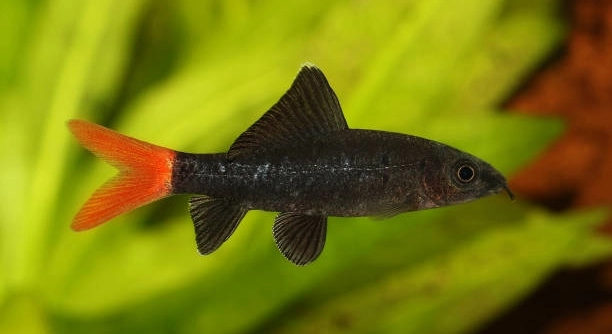
Is your rainbow shark acting differently, hiding more often, or showing changes in color and behavior that seem unusual or worrying?
The most common signs of illness in rainbow sharks include lethargy, fin rot, loss of appetite, unusual swimming patterns, and color fading. Identifying these symptoms early helps ensure proper treatment and a quicker recovery.
Learning what to look for and how to respond will support your fish’s health and keep your aquarium environment safe and balanced.
7 Signs Your Rainbow Shark Is Sick
A sick rainbow shark can show physical and behavioral changes that are easy to miss if you don’t know what to look for. One common sign is a sudden loss of appetite, which often signals internal problems. You might also see clamped fins, faded coloring, or red streaks near the gills or body. Hiding more than usual, especially in places it doesn’t usually stay, is another red flag. Erratic swimming, staying near the surface or bottom for long periods, and aggression or passivity out of character may also appear. Fin rot, white spots, or fuzzy patches can be early indicators of bacterial or fungal infections. These signs often suggest stress or poor water conditions, which can quickly lead to health problems. Acting quickly helps prevent further issues and gives your fish the best chance to recover without complications.
Each of these symptoms often points to poor water quality, infections, or high stress.
Paying close attention to these early signs makes a difference. The sooner you respond, the more likely your rainbow shark can bounce back with simple changes in care and treatment.
How to Help a Sick Rainbow Shark
Start with testing the water. Ammonia, nitrite, and nitrate levels should all be within safe ranges. Rainbow sharks are sensitive to changes in their environment. Poor water quality is often behind sudden health issues.
If your test results show any imbalance, perform a partial water change and clean the substrate gently. Make sure the water temperature stays between 75–80°F and the pH is stable around 6.5–7.5. Add a stress coat product if needed to support recovery. Quarantining the fish in a separate tank can also help, especially if other tank mates are causing stress or if you suspect a contagious illness. Keep the quarantine tank calm, with minimal decorations and gentle filtration. Use aquarium salt only if appropriate for the diagnosis—some fish don’t tolerate it well. If you see signs of fungal or bacterial infections, consider using a broad-spectrum medication after researching its compatibility with rainbow sharks. Avoid feeding during the first day of treatment, then slowly reintroduce high-quality, easy-to-digest food. Monitor daily.
What Causes Illness in Rainbow Sharks
Most rainbow shark illnesses start with poor water conditions, overcrowding, or stress. Dirty tanks, fluctuating pH, or aggressive tank mates can weaken their immune system, making them more likely to get sick from bacteria or parasites already present in the water.
Stress from frequent water changes, loud surroundings, or sudden shifts in temperature can also trigger illness. Overfeeding or feeding low-quality food leads to digestive problems or leftover waste that pollutes the water. Tanks without enough hiding spaces or territory can cause aggression, increasing injury and infection risk. Rainbow sharks are territorial, so they need space and calm surroundings. Parasites like ich or flukes may come from unquarantined new fish or plants. Diseases like fin rot, columnaris, or fungal infections thrive in unclean or overcrowded tanks. Keeping a consistent environment and reducing stress is key to long-term health.
Understanding what causes illness helps you take early action. It’s not just about treating symptoms—it’s about removing the source. Start by checking if anything changed in your tank recently. Test water weekly and clean the tank regularly without disturbing the cycle. Avoid adding fish or decorations without quarantine. Always feed high-quality food in small amounts. These steps help prevent illness from returning and support long-term care.
Common Mistakes to Avoid
Skipping routine tank maintenance is one of the biggest mistakes. Rainbow sharks are sensitive to their environment, and even slight water quality issues can quickly lead to stress and illness if left unchecked for too long.
Using medication too soon without identifying the actual issue is another problem. Guesswork treatments can do more harm than good. It’s also common to overcrowd tanks or pair rainbow sharks with aggressive or fin-nipping species. These choices create a hostile environment that leads to constant stress and injury. Neglecting to quarantine new fish introduces unknown diseases. Inconsistent feeding, like switching foods too often or giving low-quality pellets, also weakens their immune system. Another mistake is over-cleaning the tank, which removes beneficial bacteria. This disrupts the nitrogen cycle and creates ammonia spikes. Instead, clean filters and substrate gently and regularly. Avoid sudden temperature changes, bright lighting, or loud disturbances. These small oversights can have big effects on your rainbow shark’s health.
How to Prevent Sickness
Keep the tank clean with regular partial water changes, ideally 20–25% weekly. Test for ammonia, nitrites, nitrates, and pH often to catch problems early. A stable, clean environment keeps your rainbow shark healthy and stress-free.
Avoid overcrowding by choosing compatible tank mates and providing enough space to swim. Stick to one rainbow shark per tank to reduce territorial stress. Add hiding spots to help them feel secure.
What to Feed a Sick Rainbow Shark
Offer high-quality, protein-rich foods like bloodworms, brine shrimp, and sinking pellets. These are easier to digest and more nutritious, especially when your rainbow shark isn’t feeling well. Feed in small amounts to avoid polluting the water, and remove any uneaten food within a few minutes. You can also soak the food in garlic juice or a vitamin supplement to help stimulate appetite and boost immunity. Avoid feeding live foods from unknown sources, as they may carry disease. Keep feeding consistent during recovery and only feed once or twice a day in small amounts.
When to Consult a Vet
If symptoms continue for more than a week or worsen after treatment, it’s time to seek help. A fish vet can diagnose infections properly and recommend targeted medication.
FAQ
Can rainbow sharks recover from sickness on their own?
Mild illnesses can sometimes clear up on their own if the water quality is excellent and the stress source is removed quickly. Still, it’s not recommended to wait it out without taking any action. Small issues can grow worse quickly. It’s always better to test the water, clean the tank, and monitor the shark closely. If symptoms persist for more than a few days, more active treatment may be needed. Prevention and early care give your fish the best chance at healing without complications.
How can I tell if it’s stress or a real illness?
Stress and illness often look similar, but there are small differences. If your rainbow shark is just stressed, it might hide more or act jumpy but will still eat and swim normally most of the time. Illness usually comes with other signs like fin damage, visible spots, clamped fins, or trouble swimming. Watch for changes over several days. If things improve after fixing tank conditions, it may just be stress. If symptoms stay the same or get worse, it’s likely something more serious.
Why is my rainbow shark turning pale or losing color?
Fading color can be caused by stress, poor diet, or illness. It often shows that the fish’s immune system is under pressure. Poor water quality is the most common cause. If your tank isn’t clean or the water parameters are off, your fish will start to look pale. A sudden loss of color can also mean disease or injury. Check the water right away, make sure tank mates aren’t being aggressive, and offer more nutritious food. Color usually improves once the cause is treated.
Is it safe to use aquarium salt for rainbow sharks?
Rainbow sharks can tolerate small amounts of aquarium salt, but it should only be used when needed. Too much salt or repeated treatments can harm their kidneys. Never use table salt or salt with additives. If you decide to use it, always follow dosing instructions carefully and dissolve it before adding to the tank. Salt can help with minor wounds or early signs of illness, but avoid long-term use unless your vet or a fish care guide recommends it specifically for your situation.
What are the safest tank mates for a rainbow shark?
The best tank mates are calm, mid-to-top-dwelling fish like barbs, danios, and gouramis. Avoid other bottom-dwellers, especially other rainbow sharks, red tail sharks, or aggressive cichlids. Keeping only one rainbow shark per tank is safest because they’re territorial and don’t do well with similar species. Choose tank mates that aren’t slow-moving or overly passive, since rainbow sharks may chase them. Always monitor new additions closely for signs of stress or aggression, and provide enough space and hiding spots to keep things calm.
How long does it take a rainbow shark to recover?
Recovery time depends on the illness and how quickly treatment begins. Mild problems like stress or poor water conditions may resolve within a few days once corrected. Infections can take a week or two, sometimes longer. Keep the tank quiet, avoid big changes, and feed simple, high-quality foods. If your fish is improving daily—eating, swimming more, and regaining color—that’s a good sign. If symptoms stay the same or worsen after a week, seek advice or consider a different treatment approach.
Can I use general medication without knowing the exact illness?
Using broad-spectrum treatments is common, but not always ideal. If used incorrectly, they can harm the fish or helpful bacteria in the tank. It’s better to identify the illness if possible before adding medication. However, if symptoms are spreading fast and no clear cause is known, a general antibiotic or antifungal may help as a temporary solution. Make sure to follow the dosage instructions, remove carbon from filters if required, and continue to monitor closely.
Why is my rainbow shark swimming in circles or upside down?
These behaviors usually signal a serious issue like swim bladder disease or extreme stress. Swim bladder problems often happen after overeating, constipation, or infections. Poor water quality or internal damage can also affect balance. Stop feeding for 24 hours, then offer a shelled pea or other easy-to-digest food. Check the water quality and temperature immediately. If things don’t improve after a day or two, a vet may be needed for further care or diagnosis. These symptoms should never be ignored.
Final Thoughts
Taking care of a rainbow shark means staying aware of changes in its behavior, appearance, and routine. These fish are hardy, but they still need stable water, good food, and a calm environment to stay healthy. Illness often starts with stress or poor water quality, so simple steps like regular water testing and cleaning can go a long way. Watching your fish every day helps you spot small signs before they become bigger problems. A rainbow shark that starts hiding more, stops eating, or changes color may be showing early signs of trouble. Acting quickly and making small adjustments can often bring them back to normal without needing medication.
Many common health issues in rainbow sharks are easy to prevent with good tank habits. Avoid overfeeding, make sure they have enough space, and don’t overcrowd the tank. Add hiding spots like caves or plants so they can feel secure. Always quarantine new fish before adding them to your tank to prevent spreading diseases. Try to use medication only when it’s really needed. If you do need to medicate, always follow the instructions closely and check if the treatment is safe for rainbow sharks. A stable environment with clean water, low stress, and proper feeding is the best long-term solution for keeping your fish happy and healthy.
Rainbow sharks can live several years when properly cared for. Watching them grow and thrive can be rewarding, especially when you know you’re meeting their needs. Every small change you make—whether it’s switching to better food or cleaning the tank more often—can make a big difference. Taking a little extra time to check water conditions and look out for warning signs is worth the effort. It helps your rainbow shark feel more secure and live a longer, healthier life. No fish stays healthy by accident—it takes consistency and a little attention every day. With the right care, your rainbow shark can be a strong, active part of your aquarium for years to come.

Hello,
If you enjoy the content that we create, please consider saying a "Thank You!" by leaving a tip.
Every little bit helps us continue crafting quality advice that supports the health, happiness, and well-being of pets around the world, for pets of all shapes, sizes, and species.
We really appreciate the kindness and support that you show us!