
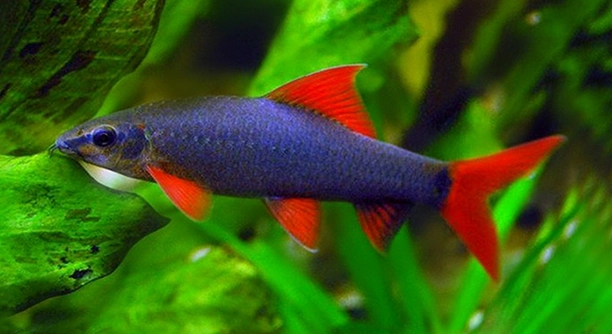
Introducing a new tankmate to your Rainbow Shark requires careful planning. These fish can be territorial, so helping them adjust smoothly is important for a peaceful aquarium environment. Taking the right steps can prevent stress and aggression.
Successful adaptation of Rainbow Sharks to new tankmates depends on gradual introduction, proper tank size, and maintaining stable water conditions. Ensuring compatible species and providing plenty of hiding spots also contribute to a balanced and stress-free habitat.
Understanding these key factors will help you create a harmonious community tank and support your fish’s wellbeing in their shared space.
Prepare the Tank Properly
Before introducing a new tankmate to your Rainbow Shark, make sure the tank is clean and well-maintained. A healthy environment reduces stress and helps fish adjust better. Check that the water parameters—like temperature, pH, and hardness—are stable and suitable for both species. Adding extra plants or decorations gives fish places to hide and feel secure. This reduces territorial conflicts. A spacious tank with enough room to swim and establish territories is crucial. Smaller tanks can increase aggression because fish feel cramped. Cleaning the tank and performing a partial water change before introducing new fish helps keep water quality high. Avoid overcrowding, which can cause stress and health problems. Preparing the tank this way creates a calmer atmosphere, making it easier for your Rainbow Shark and new tankmate to coexist peacefully.
A well-prepared tank sets the foundation for successful fish introduction. Clean water and enough space help reduce aggression and stress.
Keep in mind that Rainbow Sharks are active and sometimes territorial. Providing hiding spots and visual barriers can reduce direct confrontations and give fish areas to retreat when needed. This makes adapting smoother and encourages peaceful interactions.
Introduce New Tankmates Slowly
Introducing a new fish too quickly can cause stress and aggression. It’s best to use a quarantine tank or a divider to separate the new tankmate at first. This allows the Rainbow Shark to get used to the newcomer without direct contact. Gradually increasing their interaction time helps both fish adjust calmly. Monitor their behavior closely during this period. If aggression appears, slow down the introduction process or try rearranging the tank decorations to break established territories. Patience is key; rushing the introduction often leads to fights and injury. After a week or two of gradual exposure, you can remove the divider and allow the fish to interact fully. By taking it slow, you increase the chance that your Rainbow Shark will accept the new tankmate and live harmoniously.
Slow, controlled introductions reduce stress and help Rainbow Sharks accept new tankmates without conflict. This approach fosters a peaceful tank environment over time.
Choose Compatible Tankmates
Rainbow Sharks prefer tankmates that are peaceful but can handle their active nature. Avoid slow-moving or very small fish that may become targets. Ideal companions include fast-swimming species that occupy different tank levels, reducing competition. This balance helps keep stress low for all fish.
Some good tankmates are barbs, danios, and certain types of catfish. These species are generally active and can hold their own without provoking aggression. It’s best to avoid other bottom dwellers that might compete for territory, as this can lead to fights. Also, stay away from overly aggressive or very shy fish, since they won’t adapt well with Rainbow Sharks. Choosing the right species increases harmony in the tank and reduces conflict.
Matching tankmates by size and temperament is essential. Fish that occupy different spaces in the tank create a natural balance. Providing various hiding spots also helps each fish feel secure, lowering territorial behavior. Observing your fish regularly can help spot early signs of stress or conflict so you can intervene before problems arise.
Maintain a Consistent Feeding Schedule
Keeping a regular feeding routine helps reduce aggression caused by hunger or competition. Rainbow Sharks and their tankmates should be fed the right amount of food, split into two or three smaller meals daily. This prevents overeating and keeps water quality stable.
Feeding a variety of foods, such as pellets, flakes, and occasional live or frozen treats, supports their health. Make sure food reaches all levels of the tank since some species prefer surface feeding while others eat from the bottom. Uneaten food should be removed to avoid water pollution. Consistency in feeding also builds trust among the fish and reduces chasing or fighting during mealtime.
Monitoring your fish’s feeding habits can help you adjust portions and food types if needed. Overfeeding or underfeeding can cause health issues and increase aggression. Balanced nutrition combined with a steady schedule supports peaceful coexistence and keeps your Rainbow Shark and tankmates thriving.
Provide Plenty of Hiding Spots
Rainbow Sharks need places to hide and rest, especially when adjusting to new tankmates. Rocks, caves, and plants create safe spaces that reduce stress and aggression.
Hiding spots help fish escape if they feel threatened. This lowers fights and keeps your tank peaceful.
Keep Water Conditions Stable
Stable water parameters are vital for your Rainbow Shark’s health and mood. Sudden changes can stress fish and trigger aggression. Regularly test and adjust temperature, pH, and ammonia levels to keep them within safe ranges. Consistency supports a calm and balanced tank environment.
Watch for Signs of Stress
Look for unusual behavior like hiding, fin nipping, or loss of appetite. These can indicate your Rainbow Shark is uncomfortable with new tankmates. Early detection allows you to act before problems worsen.
How long does it take for a Rainbow Shark to accept a new tankmate?
Rainbow Sharks usually take a few days to a couple of weeks to adjust to a new tankmate. The exact time depends on factors like tank size, hiding places, and how slowly the introduction happens. Giving them space and minimizing stress helps speed up acceptance.
Can Rainbow Sharks live with other aggressive fish?
It’s generally not recommended to keep Rainbow Sharks with other aggressive fish. Both species may fight, causing injury or stress. Instead, choose tankmates with similar temperaments that can coexist without constant conflict. This keeps the tank peaceful and reduces risk of harm.
What are the signs that my Rainbow Shark is stressed after adding a new fish?
Signs of stress include hiding more than usual, refusing food, rapid breathing, and damaged fins from fights. If your Rainbow Shark chases or is chased constantly, it’s a warning sign. Observing these behaviors early allows you to adjust tank conditions or separate fish if needed.
Is it necessary to rearrange the tank when introducing a new fish?
Rearranging the tank can help break up established territories and reduce aggression. Moving decorations and plants forces fish to explore and re-establish their space. This simple step often makes adapting to new tankmates easier and promotes harmony.
How many tankmates can a Rainbow Shark handle?
Rainbow Sharks prefer a moderate number of tankmates based on tank size. Overcrowding leads to stress and fights. A good rule is one fish per 10 gallons of water, but size and temperament matter too. Less crowded tanks allow peaceful interactions and reduce territorial disputes.
Should I feed my Rainbow Shark differently when adding new tankmates?
You don’t need to change their diet, but feeding multiple times a day and offering variety helps reduce food competition. Make sure all fish get enough food by spreading it around the tank. This prevents aggressive behavior caused by hunger or guarding food.
Can tank size affect how well my Rainbow Shark adapts?
Yes, tank size plays a big role. Larger tanks provide more space for territories and hiding spots, which lowers aggression. Small tanks create cramped conditions, making Rainbow Sharks feel threatened and aggressive. A minimum of 30 gallons is recommended for a Rainbow Shark with tankmates.
What is the best way to introduce a new tankmate to a Rainbow Shark?
The best way is a slow introduction using a divider or quarantine tank. Let the fish see each other without physical contact for a week or two. Gradually remove the barrier when both seem calm. This method reduces stress and prevents sudden fights.
Are Rainbow Sharks territorial with all types of fish?
Rainbow Sharks tend to be territorial mainly with bottom-dwelling fish or species that occupy similar spaces. They are less aggressive toward fast, mid-level swimmers that don’t compete for the same territory. Knowing this helps pick tankmates that can coexist peacefully.
What should I do if my Rainbow Shark keeps attacking its tankmate?
If attacks happen frequently, separate the fish immediately to avoid injury. Check if the tank is too small or lacks hiding spots. Consider rearranging decorations or increasing tank size. Sometimes choosing different tankmates is necessary if aggression continues despite these efforts.
Can stress from a new tankmate cause illness in Rainbow Sharks?
Yes, stress weakens the immune system and can make Rainbow Sharks more susceptible to disease. Signs like white spots, lethargy, or loss of appetite may appear. Keeping water clean, stable, and reducing stressors helps maintain their health during adjustments.
How often should I monitor the behavior of my Rainbow Shark after adding new fish?
Daily monitoring during the first few weeks is important. Watch for changes in activity, eating habits, or aggression. Early detection of problems allows timely action. After the initial period, regular weekly checks are sufficient unless new issues arise.
Is it helpful to introduce multiple new fish at once?
Introducing multiple new fish at the same time can be risky. It increases competition and stress. It’s better to add one fish at a time and let the Rainbow Shark adjust before introducing others. This gradual approach promotes stability and peace in the tank.
What tank decorations work best to reduce conflicts?
Use plenty of plants, rocks, caves, and driftwood to create hiding spots and visual barriers. These decorations break lines of sight and help fish claim their own spaces. Soft plants and smooth rocks are ideal because they don’t injure the fish during chases or fights.
Can water temperature changes affect Rainbow Shark behavior?
Yes, sudden temperature fluctuations can stress Rainbow Sharks and make them irritable. Keeping the water temperature stable within their preferred range (around 72–79°F) supports calm behavior. Use a reliable heater and thermometer to monitor the tank consistently.
How do I know if my tankmate is a good match for my Rainbow Shark?
Observe if the fish swim peacefully together without chasing or nipping. Both should eat well and explore the tank comfortably. Avoid any species that hide excessively or show signs of stress. Compatibility means the fish can share the tank without constant conflict or fear.
When adding a new tankmate to your Rainbow Shark’s home, it’s important to take your time and plan carefully. Rainbow Sharks can be territorial, so helping them adjust properly is key to creating a peaceful aquarium. Preparing the tank with enough space, clean water, and hiding spots makes a big difference. These steps lower stress and reduce chances of fights. Choosing tankmates that match the Rainbow Shark’s temperament and swimming level also helps keep the environment calm and balanced. Watching your fish closely during the introduction period allows you to catch any problems early and make changes as needed.
Keeping a steady feeding schedule and maintaining stable water conditions are simple but effective ways to support your fish’s health and happiness. Feeding small meals throughout the day prevents competition and aggression over food. Stable water parameters, such as temperature and pH, keep fish comfortable and less likely to become stressed. Stress can weaken their immune system and cause illness, so keeping the tank environment consistent is very important. Providing plenty of places for your Rainbow Shark and its tankmates to hide or rest gives them a sense of security, which makes adapting easier.
Each fish and tank setup is unique, so patience and observation are necessary throughout the process. If aggression or stress becomes a problem, try rearranging decorations or separating fish temporarily. Sometimes, switching tankmates may be the best solution if the Rainbow Shark doesn’t accept a new companion. With careful planning, gradual introduction, and ongoing care, your Rainbow Shark can live peacefully alongside compatible tankmates. Taking these steps helps ensure a healthy, harmonious aquarium where all your fish can thrive together.

Hello,
If you enjoy the content that we create, please consider saying a "Thank You!" by leaving a tip.
Every little bit helps us continue crafting quality advice that supports the health, happiness, and well-being of pets around the world, for pets of all shapes, sizes, and species.
We really appreciate the kindness and support that you show us!