
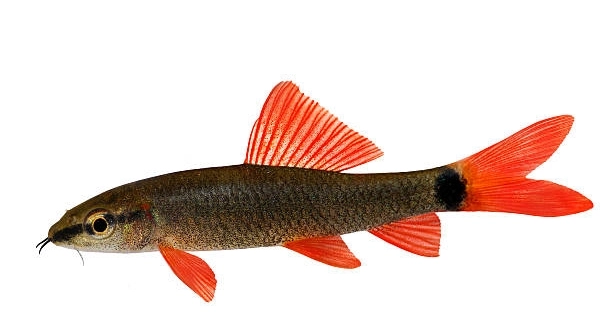
Are your rainbow sharks showing sudden aggressive behavior in your aquarium? This change can be unsettling for any fish keeper. Understanding the possible reasons behind this aggression can help you create a calmer environment for your fish.
Rainbow sharks may act aggressively due to territorial instincts, overcrowding, poor water quality, inadequate diet, lack of hiding spaces, stress from tank mates, or sudden changes in their environment. Each factor influences their behavior and overall well-being.
Knowing these common causes will help you manage your tank better and keep your rainbow sharks healthy and peaceful. This guide explains the key reasons behind their aggression.
Territorial Behavior
Rainbow sharks are naturally territorial fish. In the wild, they claim specific areas to protect their space. In a home aquarium, this instinct can make them aggressive toward other fish or even their own kind. If the tank is too small or has limited hiding spots, your rainbow shark may feel threatened and act out aggressively. They use their fins and body movements to warn intruders to stay away. This behavior is more common during feeding times or when they are ready to breed. It’s important to provide enough room and visual barriers, like plants or decorations, to reduce these conflicts. Without proper territory, stress increases, which can affect the fish’s health over time. Understanding territorial needs helps maintain peace in your tank and keeps your rainbow shark from constant agitation.
Territorial aggression is often a response to limited space or competition for resources in the aquarium.
Providing ample space and separate zones in the tank allows your rainbow shark to feel secure and lowers aggression. Dividing the tank visually or using plants can help create boundaries, giving each fish a sense of its own territory. Regularly observing interactions between your rainbow shark and other fish will help you spot signs of stress early. If aggression persists, consider rearranging the tank layout or upgrading to a larger tank. Ensuring balanced feeding and avoiding overcrowding also reduce tension. Taking these steps makes the aquarium environment more stable, allowing your rainbow shark to display calmer behavior and better health.
Overcrowding in the Aquarium
Overcrowding is a common cause of aggression in rainbow sharks. When too many fish live in a small space, competition for food, oxygen, and territory rises sharply. This stress leads to aggressive displays as the fish try to assert dominance or protect themselves. Even if the species usually coexist peacefully, overcrowding disrupts the balance. It’s important to know the recommended tank size for rainbow sharks, which is usually at least 55 gallons. Adding more fish without increasing the tank size worsens aggression and may cause injury. Proper filtration and maintenance become more challenging in crowded tanks, further stressing the fish. To prevent this, monitor the number of fish and consider upgrading the tank or reducing the population to maintain harmony.
Maintaining proper fish density is key to reducing aggression and ensuring a healthy aquarium environment.
Poor Water Quality
Poor water quality causes stress and aggressive behavior in rainbow sharks. Ammonia, nitrite, and nitrate levels that are too high can irritate fish, making them more likely to act out.
High levels of toxins in the water interfere with the fish’s health. When water parameters are off, rainbow sharks become uncomfortable and may lash out at tank mates. Poor filtration or infrequent water changes can cause waste to build up quickly. Regular testing of water quality is necessary to maintain a stable environment. Keeping ammonia and nitrite at zero, and nitrate below 20 ppm, helps prevent stress. Proper filtration and routine water changes are essential to reduce harmful substances and improve overall tank conditions.
In addition to chemical balance, maintaining proper temperature and pH levels also impacts behavior. Sudden fluctuations can provoke aggression. Rainbow sharks thrive in temperatures between 72 and 79°F and prefer a pH of 6.5 to 7.5. Ensuring consistent, clean water reduces stress and aggressive tendencies.
Inadequate Diet
An inadequate diet can cause aggression in rainbow sharks. Poor nutrition leads to irritability and competition over food in the tank.
Feeding rainbow sharks an unbalanced diet affects their health and behavior. They require a mix of high-quality flakes, pellets, and occasional live or frozen foods. Without enough nutrients, they may become restless or aggressive toward other fish. Overfeeding or underfeeding can also cause issues; overfeeding leads to water quality problems, while underfeeding increases competition and stress. Feeding small amounts multiple times a day helps meet their nutritional needs and keeps them satisfied.
Providing variety in their diet supports healthy growth and reduces aggression. Including protein-rich foods like bloodworms or brine shrimp mimics their natural feeding habits. Avoiding low-quality fillers in fish food helps maintain good health. Proper feeding routines ensure calmer and more peaceful tank conditions for your rainbow shark.
Lack of Hiding Places
Rainbow sharks need hiding spots to feel safe. Without enough places to retreat, they may become aggressive as a defense mechanism.
Providing caves, plants, and decorations helps reduce stress. These hiding places break lines of sight and give your fish a sense of security, which lowers aggression.
Stress from Tank Mates
Certain tank mates can provoke aggression in rainbow sharks. Active or aggressive fish may cause constant stress, leading to fights.
Choosing compatible species is crucial. Calm, peaceful fish reduce stress and help maintain harmony in the aquarium.
Sudden Changes in Environment
Rainbow sharks react poorly to sudden changes like moving the tank, changing water parameters, or rearranging decorations. These disruptions cause stress and aggression.
Keeping the environment stable and making changes gradually helps your fish adapt without becoming aggressive.
Why is my rainbow shark suddenly aggressive after being peaceful?
Rainbow sharks may suddenly become aggressive due to changes in their environment or health. Stress factors like overcrowding, poor water quality, or new tank mates often trigger this behavior. Even minor adjustments in lighting, temperature, or tank layout can cause unease. Illness or injury also makes them more defensive. Observing the tank carefully and maintaining stable conditions usually helps return them to normal behavior.
How can I reduce aggression in my rainbow shark?
Reducing aggression involves providing enough space, hiding places, and compatible tank mates. Ensure the aquarium is large enough—preferably over 55 gallons—and includes plants or decorations for territory division. Keep water clean with regular testing and maintenance. Feed a balanced diet on a schedule to prevent competition. Avoid sudden changes in the tank setup to minimize stress.
Can overcrowding cause rainbow sharks to fight?
Yes, overcrowding increases competition for space and resources, often leading to aggressive behavior. Rainbow sharks are territorial and need room to establish boundaries. Overcrowding reduces these boundaries and forces fish into conflict. It also worsens water quality, which further stresses the fish. Monitoring fish numbers and upgrading tank size helps avoid these problems.
Are rainbow sharks aggressive toward all fish?
Rainbow sharks can be aggressive mostly toward other bottom-dwelling or similarly sized fish that invade their territory. They may ignore or tolerate peaceful mid- and top-level swimmers. Compatibility depends on individual fish temperament and tank conditions. Choosing calm and non-territorial tank mates helps reduce conflicts.
What role does diet play in rainbow shark aggression?
A poor or unbalanced diet can increase irritability and competition for food, leading to aggression. Rainbow sharks need a varied diet rich in protein to stay healthy and calm. Feeding them appropriately, multiple small meals a day, reduces food-related fights and helps maintain water quality.
How often should I test my aquarium water to prevent aggression?
Testing water weekly is a good practice to catch problems early. Regular checks for ammonia, nitrite, nitrate, pH, and temperature ensure a stable environment. Keeping water within safe parameters prevents stress and aggressive behavior.
Can rearranging the tank cause aggression?
Yes, sudden rearrangements disrupt established territories and cause stress. Rainbow sharks rely on familiar landmarks to feel secure. Changes force them to reestablish dominance, increasing aggression. Make changes gradually and observe fish responses to avoid prolonged stress.
Do rainbow sharks need hiding spots?
Absolutely. Hiding spots provide refuge and reduce territorial conflicts. Without them, rainbow sharks feel exposed and threatened, often becoming aggressive. Use plants, rocks, or decorations to create multiple hiding areas.
Is aggression a sign of illness in rainbow sharks?
Aggression can sometimes indicate illness or injury. Sick fish often act defensively or erratically. Watch for other signs like lethargy, discoloration, or abnormal swimming. Prompt diagnosis and treatment improve recovery and reduce aggressive behavior.
Can stress from tank mates cause rainbow sharks to act out?
Yes, aggressive or very active tank mates can stress rainbow sharks, causing them to become defensive or aggressive themselves. Selecting peaceful companions and avoiding overcrowding help maintain calm interactions in the tank.
Rainbow sharks are beautiful and active fish that bring life to any aquarium. However, their natural behavior sometimes includes aggression, which can be concerning. Understanding why your rainbow shark acts aggressively is the first step in managing their behavior. Aggression often stems from environmental factors like overcrowding, poor water quality, or lack of hiding places. These issues create stress, which causes your fish to act defensively. Addressing these factors by providing enough space, maintaining clean water, and adding decorations or plants can help reduce aggressive tendencies. When you meet their basic needs, rainbow sharks tend to be calmer and healthier.
Proper diet and compatible tank mates also play important roles in keeping rainbow sharks peaceful. A well-balanced diet with enough protein reduces irritability and food competition. Feeding small amounts several times a day helps keep them satisfied and prevents aggression. Choosing calm and non-territorial fish as companions also minimizes conflicts. Avoiding sudden changes in the tank environment is crucial, as rainbow sharks do not respond well to disruptions. Gradual adjustments allow them to adapt without stress. Consistency in tank conditions makes a big difference in their behavior.
Monitoring your rainbow shark regularly can help you spot early signs of aggression or health problems. If you notice changes in behavior, checking water quality, tank size, diet, and tank mates is important. Taking quick action to improve their environment supports their well-being. Patience and attention to detail will help you create a balanced aquarium where your rainbow shark can thrive. With proper care, your fish can remain a vibrant and peaceful part of your aquatic community.

Hello,
If you enjoy the content that we create, please consider saying a "Thank You!" by leaving a tip.
Every little bit helps us continue crafting quality advice that supports the health, happiness, and well-being of pets around the world, for pets of all shapes, sizes, and species.
We really appreciate the kindness and support that you show us!