
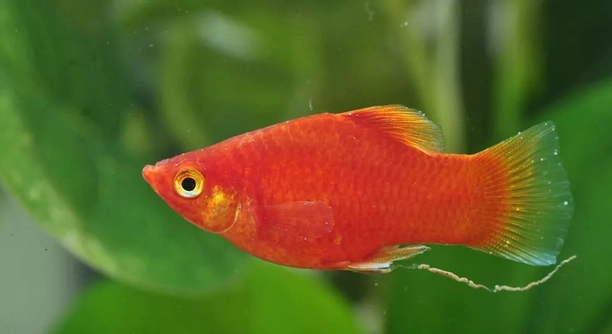
Have you ever watched your platies swim around and wondered if they can actually recognize the different parts of their tank?
Platies are capable of learning their tank layout over time. They rely on visual landmarks, spatial memory, and routine to navigate their surroundings. This behavior helps them feel secure, reduces stress, and improves overall well-being.
As you continue reading, you’ll learn how their memory works, what signs to look for, and how to create a tank that supports their natural behavior.
How Platies Recognize Their Tank Space
Platies rely on repetition and consistency to get familiar with their tank. They pay attention to decorations, plants, and even the placement of the filter or heater. When they swim through the same paths daily, their memory builds a mental map. Over time, they remember where to find food, resting spots, and areas to hide. This helps them feel safe and more relaxed. While they’re not as mentally sharp as some other fish, their ability to learn comes from habit and comfort with their surroundings. A stable layout gives them confidence, and they thrive with fewer surprises.
Small changes in the tank can confuse platies. If items are moved too often, they may act nervous or hide more.
Their learning isn’t instant—it develops slowly. Platies start by exploring, bumping into things, and checking each area. Once they find spots they like, such as a plant to swim around or a place to rest, they return often. This repetition helps them remember and feel secure. Feeding in the same area also helps reinforce location memory. Try to avoid rearranging their space too often, especially once they’ve settled in. The more stable their environment, the better their behavior and overall mood tend to be. It’s a quiet form of learning that shows in small ways.
Why Layout Matters for Behavior
A stable tank layout leads to calmer behavior in platies.
When a platy knows where everything is, it moves with purpose. You’ll notice smoother swimming, less darting, and more time spent in visible areas. Familiar surroundings reduce stress, which helps with digestion, social interaction, and even immune health. In contrast, a tank that changes too often can lead to confusion. They may stay hidden more, swim erratically, or become easily startled. These are signs they no longer feel confident in their space. If you’re adding or removing items, try to do it gradually. Keep the core layout similar, especially areas they use regularly. Maintaining a feeding routine also reinforces their sense of place.
Understanding how platies respond to layout helps you create a tank that supports their natural habits. It also makes observing them more rewarding. You’ll begin to notice patterns in where they rest, explore, or gather during feeding. This makes care easier and more predictable. It’s not just about decoration—it’s about giving your platies a space they can understand and rely on. Even simple changes like moving a plant can affect them, so try to pay attention to how they react. Their comfort often depends on how stable and familiar their surroundings feel.
What Helps Platies Learn Faster
Consistent lighting and feeding times help platies feel more settled. When they can rely on a steady routine, they’re more likely to explore and memorize their surroundings. This comfort encourages them to use specific areas for rest, feeding, or hiding, which supports better memory.
Visual landmarks play a big role in how platies recognize parts of their tank. Using distinct items like a tall plant, a bright decoration, or a unique cave helps them link spaces with certain behaviors. They might return to a leafy area to rest or hide behind a rock when startled. Over time, these connections become familiar paths. If the tank is too bare or everything looks similar, they may struggle to build these mental maps. Changing water flow or lighting placement too often can also confuse them. A well-decorated, stable setup gives them the clues they need to learn faster and feel secure.
Another helpful strategy is feeding in the same spot each day. Platies quickly begin to associate that location with food and will often swim there at the same time daily. This predictable behavior supports spatial learning. When they link a reward, like food, with a specific location, it strengthens their understanding of the tank. Their patterns become more structured, and they tend to settle in quicker. Even slow feeders or shy ones will pick up on the routine over time. You may even notice them waiting near their usual feeding zone when it gets close to feeding time. Keeping the tank peaceful and limiting aggressive tank mates also helps platies stay calm and more open to learning.
What Slows Down Learning in Platies
A tank that changes too often can lead to confusion and stress. Constant rearrangement removes the familiar points they use to navigate. Without consistency, they become more alert and less confident. Stress can also weaken their immune response and cause them to hide or avoid certain areas.
Overcrowding is another issue that makes it hard for platies to learn their space. When too many fish are competing for the same areas, platies may not feel comfortable exploring. They’ll spend more time avoiding others than building a routine. In tanks with strong currents or loud equipment, distractions can also interfere with learning. Noise and movement may make them anxious, leading to scattered behavior. Avoid bright lights that flash or reflections on the tank walls. These little things can throw them off. If new decorations are added, give them time to explore slowly without more changes. Their comfort depends on how stable the environment stays.
Signs Your Platies Know the Layout
You may notice your platies swimming directly to their feeding spot without hesitation. This shows they remember where food appears and feel confident navigating to it. They might also return to the same hiding places when startled.
Another sign is when they swim smoothly through certain paths in the tank. Repeating the same routes suggests they’re familiar with the space. It means they’ve memorized where objects are and feel safe moving through those areas regularly.
How to Support Their Learning
Stick to a regular tank setup and avoid frequent changes. Try to feed them at the same time and in the same place every day. Add landmarks like colorful plants or a distinct ornament they can easily recognize. Keep lighting soft and consistent. Avoid loud filters or strong currents that might overwhelm them. Platies learn best in calm, stable conditions. Give them time to adjust when you add new objects. Observe their reactions, and if they seem nervous, leave things in place for a while before making more adjustments. Their comfort and memory improve with steady care and gentle routines.
When to Make Changes
If your platies seem stressed, stop eating, or hide more often than usual, it might be time to change the tank layout. Just make one change at a time.
Can platies really remember their tank layout?
Yes, platies can remember parts of their tank layout through repetition and visual cues. They use landmarks like plants, decorations, and equipment to form a mental map. This memory helps them navigate the tank, find food, and locate hiding spots. While their memory isn’t perfect, it improves with consistency in the tank’s arrangement.
How long does it take for platies to learn their tank?
Learning time varies but usually takes several days to a few weeks. The process depends on how stable the environment is and how often they encounter the same landmarks. Feeding in the same spot daily speeds up learning, as they associate that place with food. Patience is key since platies learn gradually.
Will changing decorations confuse my platies?
Yes, frequent changes can confuse them. Platies rely on familiar surroundings to feel secure. Moving decorations or rearranging the tank often disrupts their mental map and causes stress. It’s best to keep changes minimal and gradual, allowing platies time to adjust.
Do all platies learn their tank equally well?
No, individual platies vary. Some are naturally more curious or bold, making it easier for them to explore and remember the tank layout. Shyer or stressed platies might take longer or struggle more. Tank conditions and social interactions also influence how well they learn.
How can I help my platies learn their tank faster?
Keep the tank layout consistent and add distinct landmarks like colorful plants or unique decorations. Feed them at the same time and place daily. Maintain stable lighting and water conditions. Avoid loud noises, strong currents, or aggressive tank mates that could distract or stress them.
What happens if my platies forget the layout?
If their environment changes suddenly or too much, platies may act confused—swimming erratically, hiding more, or avoiding feeding areas. They can relearn the layout with time, but frequent disruptions make this harder. Consistency is important for memory retention.
Can tank size affect their ability to learn the layout?
Yes, tank size matters. Smaller tanks are easier for platies to remember because they contain fewer landmarks and simpler paths. Larger tanks with many hiding spots and decorations require more exploration and time for platies to build a mental map.
Do platies use smell or other senses to learn the tank?
Platies mainly use vision to learn their environment, focusing on colors, shapes, and light patterns. While they have a sense of smell, it plays a smaller role in spatial memory. Visual cues are the strongest tools for navigating their tank.
Will my platies recognize me through the tank layout?
Platies may recognize your presence or routine, like feeding time, but they do not connect your face or movements to the tank layout. They respond mostly to familiar actions and cues rather than detailed recognition of people.
Is it okay to add new fish or decorations frequently?
Frequent additions cause stress and slow down learning. New fish can disrupt social order, and new decorations change landmarks. Adding new items slowly and one at a time helps platies adjust and retain their mental map better.
How can I tell if my platies feel comfortable in their tank?
Comfortable platies swim confidently, explore regularly, feed actively, and use their hiding spots without fear. They show steady, calm movement and interact well with other fish. Nervousness or hiding can signal discomfort or confusion.
Do platies remember feeding times?
Yes, platies quickly learn feeding routines. They start to associate specific times and locations with food and will often swim toward that area when it’s near feeding time. This routine strengthens their overall spatial memory and tank familiarity.
Can platies learn new layouts if I move them?
Platies can adapt, but it takes time. A new tank means they must explore and create a new mental map. Keeping some similar landmarks or decorations in the new tank can help them adjust faster. Patience and consistency remain important.
Are younger platies better learners than older ones?
Younger platies tend to be more active and curious, which helps them learn faster. Older fish may be slower to adapt but can still build a strong understanding of their tank. Learning ability is influenced more by individual temperament and environment than age alone.
What should I avoid to protect my platies’ learning process?
Avoid sudden, large changes in tank layout, aggressive tank mates, bright flashing lights, and noisy filters. These disturbances cause stress and make it hard for platies to focus on learning their environment. Consistency and calmness support better memory and well-being.
Platies are small fish that can learn and remember their tank layout. This ability helps them feel safe and move confidently in their environment. When their tank stays consistent, they recognize landmarks like plants, decorations, and equipment. This recognition makes it easier for them to find food, rest, and hiding spots. Because platies use their surroundings to feel secure, keeping the tank stable is important for their well-being. Changes that happen slowly and carefully give platies time to adjust and learn the new setup without stress.
Creating a calm and predictable space for platies encourages natural behavior. Feeding them in the same place and at the same time each day helps build a routine. Distinct landmarks like colorful plants or unique objects help platies form mental maps. This mental mapping supports their ability to navigate the tank safely. On the other hand, moving decorations too often or having loud equipment can confuse and stress them. When platies feel secure, they swim smoothly, explore more, and show less hiding behavior. This makes watching them more enjoyable and gives you a better chance to notice their health and habits.
It is important to remember that every platy is different. Some may learn faster, while others need more time and patience. Changes should be made gradually, and it’s best to avoid overcrowding the tank. A stable environment supports both their learning and overall health. If your platies seem nervous or hide more, look for reasons like new changes or stress from tankmates. By paying attention to their behavior and keeping a consistent layout, you help platies feel at home and thrive. Understanding how they learn their tank layout can improve your care and their happiness.

Hello,
If you enjoy the content that we create, please consider saying a "Thank You!" by leaving a tip.
Every little bit helps us continue crafting quality advice that supports the health, happiness, and well-being of pets around the world, for pets of all shapes, sizes, and species.
We really appreciate the kindness and support that you show us!