
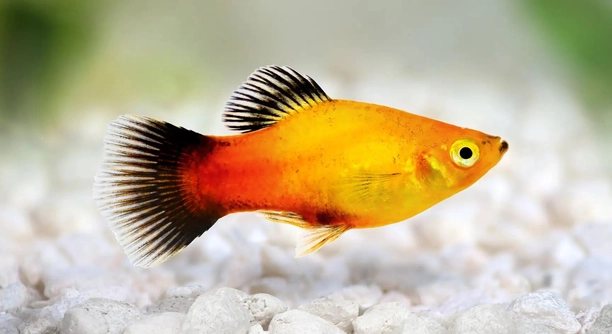
Is your platy acting differently than before, seeming less active or playful? Changes in behavior can be concerning for fish owners who want their pets to thrive in a healthy environment. Understanding these changes is important for proper care.
Platy behavior changes often result from variations in water quality, diet, or stress factors such as overcrowding or illness. Maintaining stable conditions and monitoring for health issues can help restore their natural activity levels.
Recognizing these causes can help improve your platy’s well-being and bring back its lively nature in your aquarium.
Common Causes for Reduced Activity in Platies
Platies are generally lively fish, but several factors can cause them to slow down or stop playing as much. Water quality is a key element. Poor water conditions, such as high ammonia or nitrate levels, can stress your platy and reduce its activity. Temperature changes can also affect behavior; platies prefer stable temperatures between 70°F and 78°F. Diet plays a role, too. Lack of variety or insufficient nutrition can leave your platy low on energy. Stress from overcrowding or aggressive tank mates may cause your fish to hide and be less active. Illnesses like infections or parasites also impact behavior and require prompt attention. Regular water testing, feeding balanced meals, and observing tank conditions help keep your platy healthy and active.
Maintaining a clean, well-regulated tank with proper nutrition is essential for encouraging your platy to behave normally again.
Keeping track of these factors will help you spot issues early and make adjustments for a happier fish.
Water Quality and Its Impact on Behavior
Water quality directly affects platy health and activity. Fish are sensitive to toxins like ammonia and nitrites, which can build up quickly in tanks without regular maintenance. Poor water quality causes stress and weakens the immune system, making fish less active. Regular water changes and testing ensure a healthy environment. Using a reliable water conditioner helps remove harmful substances. Filtration systems also play an important role in maintaining clean water. If you notice your platy is sluggish, checking water parameters is one of the first steps to take. Correcting water issues often leads to a quick improvement in your fish’s behavior, restoring its natural energy and playfulness. Consistent care and attention to water conditions provide a stable home for your platy to thrive.
Diet and Nutrition Effects on Platy Activity
A poor diet can make your platy less energetic and playful. Balanced nutrition is necessary for maintaining their health and activity levels.
Platies require a varied diet including high-quality flakes, pellets, and occasional live or frozen foods like brine shrimp or bloodworms. Lack of protein or essential nutrients leads to lethargy and weakened immune systems. Overfeeding should be avoided, as excess food pollutes the tank and can cause health issues. Feeding small amounts two to three times daily supports their metabolism and keeps them active. Watching your platy’s eating habits helps identify if diet is the cause of low activity.
Changing or improving the diet can quickly restore your platy’s energy, making them swim and explore more.
Stress and Environment
Stress can cause your platy to hide or become inactive. It often comes from overcrowding, aggressive tank mates, or sudden changes in the tank environment.
Providing plenty of hiding spaces and plants helps reduce stress and makes your platy feel secure. Avoid keeping too many fish in one tank, as this leads to competition and stress. Introducing peaceful companions and maintaining stable water conditions also reduce stress. Changes like moving the tank or adjusting temperature too quickly can disturb your platy’s routine. A calm, well-planned environment supports healthy behavior and encourages your platy to be lively again.
Illness and Symptoms to Watch For
Illness can cause your platy to behave differently. Watch for signs like faded colors, clamped fins, or unusual swimming patterns.
Early detection is important. Treating infections or parasites quickly can prevent serious health problems and help your platy regain its activity.
Tank Size and Space
Small tanks limit movement and can stress platies, reducing their activity. A tank of at least 10 gallons is recommended for a few platies. Proper space encourages natural behavior and better health.
Lighting and Daylight Cycle
Consistent lighting helps regulate your platy’s natural rhythms. Too much or too little light can cause stress or inactivity. Keeping a regular day and night cycle supports their well-being.
Behavioral Changes Over Time
Platies may naturally slow down as they age. This gradual change is normal and usually not a cause for concern.
FAQ
Why has my platy suddenly stopped swimming around as much?
Sudden changes in activity often point to stress or illness. Check your water quality first, including ammonia, nitrite, nitrate levels, and temperature. Stress from overcrowding or aggressive tank mates can also cause your platy to hide more. Illnesses like bacterial or parasitic infections often make fish lethargic. Observing physical signs like clamped fins, spots, or discoloration can help identify health problems early. Addressing these issues usually helps restore normal activity.
Can poor water quality really make such a big difference?
Yes, platies are very sensitive to water conditions. High ammonia or nitrite levels are toxic and cause stress quickly. Even small fluctuations in temperature or pH can upset their balance. Dirty water reduces oxygen levels and introduces harmful bacteria. Regular testing and water changes keep the environment safe. A stable, clean tank promotes healthy behavior and prevents diseases that slow your platy down.
How often should I feed my platy to keep it active?
Feeding your platy two to three small meals daily is ideal. Overfeeding can pollute the tank and cause lethargy, while underfeeding deprives them of energy. A varied diet including flakes, pellets, and occasional live or frozen foods supplies necessary nutrients. Watching your platy’s appetite helps you adjust feeding amounts. Consistent feeding routines support steady energy levels and playfulness.
What tank size is best for platies to stay active?
A minimum of 10 gallons is recommended for a small group of platies. Smaller tanks limit swimming space and increase stress. More room allows natural swimming and social interaction, which keeps them lively. Larger tanks also make it easier to maintain stable water conditions, contributing to better health and behavior.
Could stress from tank mates affect my platy’s behavior?
Yes, aggressive or overly active tank mates can intimidate platies, causing them to hide and become inactive. Peaceful, compatible fish help maintain a calm environment. Providing plants and decorations offers hiding spots, reducing stress. Avoid sudden changes in the tank setup to keep your platy comfortable.
How can I tell if my platy is sick?
Look for physical signs like faded colors, white spots, clamped fins, swollen belly, or abnormal swimming patterns. Loss of appetite and spending too much time hiding also indicate illness. Early detection is crucial for successful treatment. If unsure, consult a fish health expert for advice.
Does lighting affect my platy’s activity?
Yes, platies need a consistent day and night cycle to maintain normal behavior. Too much light causes stress, while too little disrupts their natural rhythm. Aim for 8-12 hours of light daily and ensure the tank is dark at night. This helps regulate feeding, rest, and play cycles.
Is it normal for platies to slow down as they get older?
A gradual decrease in activity with age is normal. Older platies may swim less but still eat and explore their environment. This natural slowdown doesn’t usually indicate health problems unless accompanied by other symptoms. Providing a stress-free environment supports their comfort in later years.
Can diet changes help improve my platy’s behavior?
Improving diet with nutrient-rich foods boosts energy and immunity. Include protein sources like brine shrimp or bloodworms alongside regular flakes or pellets. Avoid overfeeding to prevent water quality issues. Proper nutrition encourages active swimming and social behavior.
What steps should I take if my platy’s behavior doesn’t improve?
First, review water quality, diet, and tank conditions carefully. Treat any visible illness promptly. If behavior remains abnormal, consider consulting a veterinarian or aquatic specialist. Sometimes hidden infections or internal issues require professional care. Consistent care and patience usually bring positive changes.
Final Thoughts
Noticing your platy acting less lively than before can feel concerning, but it is often a sign that something in their environment needs attention. Fish are sensitive creatures that respond quickly to changes around them. Factors like water quality, diet, stress, and tank conditions all play a role in their behavior. Paying close attention to these elements helps keep your platy healthy and active. Regular maintenance and observation can prevent many common issues that cause reduced activity. Taking simple steps, such as testing the water regularly, feeding a balanced diet, and providing enough space, can make a big difference.
It is important to remember that platies, like all living creatures, need time to adjust and recover if they have been stressed or unwell. Behavior changes don’t always mean a serious problem but can indicate the need for small changes in care. Keeping their tank stable and consistent supports their natural rhythms and helps them feel safe. Adding hiding spots and keeping a peaceful tank environment reduces stress and encourages normal activity. When illness is the cause, early detection and treatment improve the chances of recovery and returning to normal behavior.
Every platy is unique and may respond differently to various conditions. Observing your fish daily and noting any changes helps you understand their needs better. It also allows you to act quickly if something is wrong. Being proactive with tank care and nutrition builds a healthy home for your platy. Over time, these efforts help your fish stay playful and energetic. Maintaining a proper environment shows respect for your pet’s well-being and creates a pleasant experience for both you and your platy.

Hello,
If you enjoy the content that we create, please consider saying a "Thank You!" by leaving a tip.
Every little bit helps us continue crafting quality advice that supports the health, happiness, and well-being of pets around the world, for pets of all shapes, sizes, and species.
We really appreciate the kindness and support that you show us!