
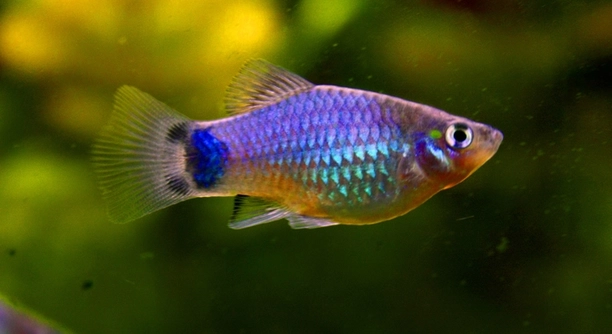
Do you ever find yourself watching your platies brush against plants, rocks, or decorations in their tank and wondering why?
Platies often rub against tank objects due to external parasites, skin irritation, or stress. This behavior, known as flashing, is a common sign that something in the tank environment may be affecting their health.
This subtle action may seem harmless at first, but it often points to underlying water quality issues, infections, or other stressors that need your attention.
Common Reasons Platies Rub Against Objects
Rubbing against tank objects, often called flashing, is usually a sign that your platy is uncomfortable. One of the most common causes is external parasites like ich or flukes. These can irritate the skin, prompting your platy to scratch itself against rough surfaces. Poor water quality is another major factor. High ammonia, nitrite, or nitrate levels can cause stress and irritation. Platies are sensitive to sudden changes in water parameters, so even slight imbalances can trigger this behavior. In some cases, rubbing might also be caused by chlorine or heavy metals in untreated tap water. Other possibilities include bacterial or fungal infections, though these usually come with other symptoms like white patches or frayed fins. When this behavior appears suddenly, it’s important to check all aspects of their environment quickly to find the cause.
Flashing should never be ignored, even if the fish seems active and eats normally.
Always start by testing your water. Checking for ammonia, nitrites, nitrates, pH, and hardness helps you spot problems early. If the water is clean and balanced, examine your platy closely for other signs. Small white spots could point to ich, while rapid breathing or red gills might suggest parasites or gill irritation. If you suspect illness, it’s best to isolate the fish in a separate tank for treatment. A simple salt bath can sometimes help with mild skin issues, but medications may be necessary for confirmed infections. Avoid overusing treatments unless you’re sure of the cause. Changing 25-50% of the water and vacuuming the gravel can remove irritants and improve conditions. Also, make sure the tank isn’t overcrowded and that your filter is working well. Clean, stable water is one of the best ways to keep your platy healthy and avoid rubbing behavior.
How to Prevent Rubbing in the Future
Preventing rubbing starts with maintaining stable water conditions and doing regular tank maintenance.
Aim for weekly partial water changes and keep an eye on your test kit results. Avoid sudden changes in temperature or pH, as platies react quickly to instability. It’s also smart to quarantine new fish before adding them to your main tank. This step reduces the risk of introducing parasites or infections. Keep your tank well-filtered, and avoid overfeeding, which can lead to waste buildup. Choose decorations with smooth surfaces to prevent injuries if your fish do rub. Adding live plants can help balance water quality and make the tank feel more natural. A stable, low-stress environment is the best way to keep your platies healthy and comfortable.
Even if rubbing stops, it’s still important to monitor your tank regularly. What seems like a small issue now can become a bigger problem later if ignored. Regular care helps your fish stay healthy and active long-term.
Signs That Rubbing Is a Problem
Rubbing becomes a concern when it happens often or is paired with other signs like clamped fins, hiding, or sudden bursts of movement. These signs usually mean your platy is trying to cope with discomfort or irritation in its environment.
If your platy is rubbing more than once or twice a day, it’s not just a one-time action. Pay attention to their appetite and social behavior. If they’re eating less, swimming away from others, or staying near the bottom, something is wrong. Look for physical symptoms like white spots, red streaks, or cloudy eyes. These clues can help you figure out whether the issue is related to parasites, bacteria, or poor water conditions. Even subtle changes matter. If the rubbing continues for more than a day, it’s time to check your tank thoroughly and make small changes to reduce stress and improve water quality.
Platies are usually active and peaceful, so when they start acting differently, it’s often a sign they’re not feeling well. If one fish is rubbing while others aren’t, isolate it and monitor closely. However, if multiple fish begin to flash, the issue is likely affecting the whole tank. Check your filtration system, oxygen levels, and water temperature. Sometimes, toxins like cleaning residue on decorations or equipment can irritate their skin. If rubbing is left unaddressed, it can lead to open wounds or infections that become harder to treat. Quick action can help prevent long-term problems and support a healthier tank environment for all your fish.
When It’s Just Normal Behavior
Occasional rubbing isn’t always something to worry about. A single brush against a plant or a decoration now and then can be normal. Platies are curious fish and sometimes explore or scratch harmless itches without any real problem.
It’s important to notice the difference between rare, casual rubbing and repetitive flashing. If your platy is only rubbing once every few days and shows no signs of stress or illness, it may just be reacting to small irritations like shedding its slime coat or adjusting to new water conditions. This behavior is often short and doesn’t repeat right after. Healthy platies will continue to eat, swim normally, and interact with other fish. It’s best to observe before reacting too quickly. Jumping into treatments without being sure of the issue can stress your fish even more. Keeping a calm and balanced tank helps reduce unnecessary rubbing and supports overall fish health.
What to Avoid When You Notice Rubbing
Avoid rushing into treatments without checking water quality first. Medications can harm healthy fish if used without cause. Always test the water and observe your platy for other symptoms before choosing a treatment plan.
Don’t ignore early signs or assume the rubbing will stop on its own. Waiting too long can lead to infections or spread of parasites in the tank. Taking small steps early often prevents bigger problems later.
Best Water Parameters for Healthy Platies
Platies do best in stable water with a temperature between 72–78°F, pH around 7.0–8.2, and hardness between 10–28 dGH. Ammonia and nitrite should always be at 0 ppm, while nitrates should stay below 40 ppm. Use a reliable water test kit weekly to stay on top of conditions. Change 25–30% of the water weekly to remove waste and toxins. Avoid using untreated tap water, as chlorine and metals can cause irritation. Adding a dechlorinator before refilling the tank helps keep your platies safe. A good filter and gentle aeration also keep the environment steady and reduce stress.
Foods That Help Boost Skin Health
High-quality flakes or pellets with added vitamins support skin and slime coat health. Include foods with omega-3 fatty acids and color enhancers like spirulina to strengthen their natural defenses.
FAQ
Why do my platies keep rubbing against the tank decorations?
Platies often rub against objects because of irritation caused by parasites, poor water quality, or minor injuries. Sometimes, they are just scratching an itch or shedding their slime coat. Frequent rubbing usually means something is wrong, such as ich or bacterial infections, so it’s important to check water parameters and observe other symptoms.
Is flashing always a sign of illness?
Not always. Occasional rubbing can be normal as platies explore their environment or deal with minor irritations. However, if flashing is frequent or accompanied by other signs like loss of appetite, lethargy, or visible spots, it usually indicates illness or stress.
How can I tell if my platy has parasites?
Parasites often cause your platy to rub more than usual. Look for white spots, flashing, clamped fins, or rapid breathing. Parasites can also cause lethargy and reduced appetite. Testing water quality and isolating the affected fish for treatment can help stop the spread.
What should I do if I notice my platy flashing?
Start by testing your water for ammonia, nitrites, nitrates, and pH levels. Perform a partial water change if needed. Observe your fish closely for other signs like spots or fin damage. If parasites or infection are suspected, consider treatment options like medicated baths or aquarium-safe medications, following instructions carefully.
Can poor water quality cause rubbing behavior?
Yes. High ammonia, nitrite, or nitrate levels irritate fish skin and gills, leading to rubbing. Sudden changes in temperature or pH also stress platies, causing flashing. Keeping stable water parameters and regular maintenance helps prevent this behavior.
How often should I change the water to prevent rubbing?
Weekly partial water changes of about 25-30% are ideal for platies. This removes waste and toxins that build up over time and keeps water quality high. Avoid large or sudden water changes, which can stress fish.
Is it okay to use medications as a precaution?
No, avoid using medications without confirming a problem. Unnecessary treatments can harm fish and beneficial bacteria in the tank. Use medications only when there are clear signs of parasites or infection and follow dosage instructions carefully.
Can decorations cause physical harm leading to rubbing?
Yes, sharp or rough decorations can cause injuries or irritate fish skin. Choose smooth or rounded objects to prevent cuts or abrasions. If your platy repeatedly rubs against a particular item, try removing or replacing it to see if the behavior stops.
What foods help reduce skin irritation in platies?
Feeding high-quality pellets or flakes with vitamins, especially those rich in omega-3 fatty acids, supports healthy skin and slime coat. Including natural foods like daphnia or bloodworms can also boost immunity. A balanced diet helps your fish resist parasites and heal faster.
How can I quarantine a rubbing platy?
Use a separate tank with clean, conditioned water that matches your main tank’s parameters. Observe the fish for signs of illness and provide treatments if necessary. Quarantining prevents spreading parasites or infections to other fish while they recover.
Can stress cause platies to rub against tank objects?
Yes, stress from overcrowding, aggressive tank mates, poor water conditions, or sudden changes can cause rubbing. Stress weakens their immune system and makes them more prone to illness. Providing a calm environment with proper space and hiding spots helps reduce stress.
What signs show that rubbing is becoming serious?
If rubbing leads to open wounds, torn fins, or constant flashing, it’s serious. Other signs include refusal to eat, lethargy, or unusual swimming patterns. Immediate action like water changes, isolation, and treatment can prevent worsening health.
How long does it take for platies to recover from skin irritation?
Recovery depends on the cause and treatment. Mild irritation may improve in a few days with clean water and a good diet. Parasite or bacterial infections might take one to two weeks of proper treatment. Always keep conditions stable to support healing.
Are there natural remedies for platy rubbing?
Some aquarists use aquarium salt baths or aloe vera-based additives to soothe skin irritation. These can help in mild cases but are not substitutes for proper diagnosis and treatment. Always research and use natural remedies carefully to avoid harming your fish.
What temperature is best to prevent rubbing behavior?
Maintaining a stable temperature between 72°F and 78°F is best. Temperatures outside this range can stress platies and cause rubbing. Use a reliable heater and thermometer to keep conditions steady.
Can other fish cause my platy to rub?
Aggressive tank mates may stress your platy, leading to rubbing or flashing. Bullying can cause injuries that make the fish scratch themselves. Keep peaceful companions and ensure enough space to reduce stress and conflict.
Final Thoughts
Platies rubbing against tank objects is a behavior that can mean several things. Sometimes, it is just a normal way for fish to scratch an itch or explore their environment. However, when this rubbing happens often or is paired with other signs like changes in appetite or swimming patterns, it usually points to an issue that needs attention. Most often, irritation from parasites, poor water quality, or minor injuries causes this behavior. Watching your platy carefully and testing the water regularly will help you catch problems early before they become serious.
Maintaining a stable and clean environment is one of the best ways to prevent rubbing and keep your platies healthy. Regular water changes, proper filtration, and avoiding sudden changes in temperature or pH create a low-stress space where fish can thrive. Paying attention to what you feed your platies is also important. High-quality foods with added vitamins and fatty acids support their skin and immune system. Avoid overcrowding the tank, and choose peaceful tank mates to reduce stress, which can also cause rubbing and other health problems.
If rubbing continues despite good care, it might mean your platy needs treatment for parasites or infections. Before using any medication, always confirm the cause by checking water conditions and looking for other symptoms. Treat your fish carefully and isolate sick individuals if possible to protect the rest of the tank. With patience and proper care, most platies recover well from irritation and return to their active, happy selves. Keeping a close eye on your fish and their environment will help you catch and solve problems early, ensuring your platies stay healthy for a long time.

Hello,
If you enjoy the content that we create, please consider saying a "Thank You!" by leaving a tip.
Every little bit helps us continue crafting quality advice that supports the health, happiness, and well-being of pets around the world, for pets of all shapes, sizes, and species.
We really appreciate the kindness and support that you show us!