
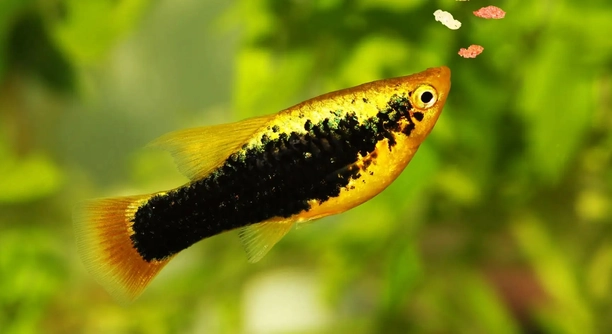
Have you ever brought home a group of colorful platies and wondered if they’ll get along with other fish in your tank?
Platies can thrive in a community setup when housed with peaceful, similarly sized fish that share their water requirements. Proper tank conditions, stable water parameters, and a calm environment play a key role in maintaining their health and behavior.
From choosing the right tankmates to managing group dynamics, there are a few things you’ll want to keep in mind for a peaceful aquarium.
What Makes Platies Good for Community Tanks
Platies are peaceful and adaptable, which makes them a solid choice for community aquariums. They do well with fish that are not aggressive and prefer similar water temperatures. Their active but gentle nature means they usually swim around calmly without bothering others. Since they’re livebearers, they can populate a tank quickly, so be mindful of their breeding habits. Most platies thrive in groups and enjoy the company of their own kind. They also appreciate some plants and decorations to explore. As long as the tank is stable and there’s enough space, they rarely cause trouble. Keep them in a well-filtered tank with regular maintenance and they’re easy to care for. Their bright colors and calm behavior often make the tank more lively without adding stress to other fish. Just make sure to watch for signs of stress when adding new tankmates. This keeps everything balanced and running smoothly.
Platies usually prefer a slightly alkaline pH and a steady temperature around 72–78°F.
Because they come in many colors and patterns, platies often bring life to the tank without taking over. Their smaller size makes them less intimidating, which helps reduce tension among tankmates. They don’t require special diets, making feeding simple.
Choosing the Right Tankmates
Go for fish that match their temperament. Avoid fin nippers and aggressive species.
Platies do best with peaceful fish like tetras, mollies, guppies, corydoras, and certain barbs. These fish tend to stay calm and enjoy similar water needs. Avoid large or overly active fish that may chase or nip at them, as that can lead to stress or hiding. It’s also good to steer clear of slow-moving long-finned fish like bettas, which might attract unwanted attention from more active swimmers. When adding new fish to the tank, watch how they behave for a few days. If there’s too much chasing or hiding, it may be best to separate them. A well-balanced tank not only helps platies feel secure but also reduces disease risk. Make sure all fish have hiding spots and enough space to move around freely. This helps everyone feel safe, especially in a mixed group. A peaceful setup allows platies to show their natural colors and behaviors.
Tank Size, Space, and Setup
A 10-gallon tank is the bare minimum for a small group of platies, but more space is always better. Overcrowding can lead to stress, aggression, and water quality issues.
Platies are active swimmers, so they appreciate open space with areas to explore. A rectangular tank works better than a tall one, giving them more horizontal room to move. Add plants, rocks, and hiding spots to make them feel secure. Live plants like java fern or hornwort also help improve water quality. Use a soft substrate to avoid damaging their fins. A lid is important too—platies can occasionally jump. Make sure to cycle your tank before adding them, and avoid sudden changes in temperature or pH. This helps reduce the chance of illness.
When adding decorations, make sure there’s enough room left for swimming. Platies don’t like being boxed in. Keep filtration gentle—strong currents can stress them out. LED lighting works well and keeps their colors bright.
Water Quality and Maintenance
Platies need stable water conditions to stay healthy. Sudden shifts in pH, ammonia, or temperature can weaken their immune systems and lead to illness. Keep their environment consistent and do regular water checks.
A weekly 25% water change is a good habit to maintain water quality. Always use a water conditioner to remove chlorine and other harmful chemicals from tap water. Keep the tank temperature between 72–78°F and the pH between 7.0 and 8.2. A simple sponge filter or a gentle hang-on-back filter works well for platies, especially in smaller tanks. Avoid overfeeding—they don’t need more than they can eat in two minutes. Leftover food can spike ammonia levels quickly. Test your water regularly for ammonia, nitrites, nitrates, and pH. Clean the substrate during water changes, especially in planted tanks. Stable water and basic care go a long way in keeping platies active, colorful, and stress-free.
Feeding Habits and Diet
Platies are not picky eaters. They enjoy flake foods, pellets, and freeze-dried snacks like bloodworms or brine shrimp. A varied diet helps keep their colors vibrant and supports overall health. Feed them once or twice a day in small amounts.
Overfeeding can cause health problems and dirty the tank quickly. Give them only what they can finish in two minutes. Leftover food should be removed to prevent water quality issues. Adding a few blanched vegetables like zucchini or spinach now and then also supports digestion.
Breeding in a Community Tank
Platies breed often, especially in a peaceful tank. Females can give birth to dozens of fry at a time. If you don’t want the tank to get overcrowded, consider separating the sexes or removing fry early. Community fish may eat the fry, which can help control the population naturally. If you want to keep the babies, add floating plants or a breeding box for safety. Make sure the adults are well-fed, as hunger can increase the chances of fry being eaten. Breeding can be fun to watch, but it requires planning if you want to raise the young properly.
Signs of Stress or Illness
Watch for clamped fins, hiding, loss of color, or refusal to eat. These signs often mean something is off with the water or tank environment.
FAQ
Can platies live with bettas?
It depends on the temperament of the betta. Some bettas are calm and ignore other fish, while others may chase or nip. Platies are active and curious, which can annoy a territorial betta. If you try this combination, watch their behavior closely. Have hiding spots and plenty of space. Avoid bright-colored or long-finned platies that may be mistaken for other bettas. If the betta shows any signs of aggression—chasing, flaring, or biting—it’s best to separate them. Some keepers have success, but it’s not always a guaranteed peaceful match.
How many platies should be kept together?
Platies are social and prefer small groups. A group of three to six is a good number to start with. Keeping them in a group helps reduce stress and encourages natural behaviors. Try to keep more females than males to avoid constant chasing and stress. A 10-gallon tank can hold up to five platies, but more space is always better. In larger tanks, you can add more as long as the water quality stays stable. Balanced group sizes also help prevent bullying or territorial behavior among males.
Can platies live without a heater?
Platies prefer warm water, around 72–78°F. If your room stays consistently warm year-round, they might do fine without a heater. But in most homes, temperatures can drop at night or during colder months. A small heater keeps the water stable and prevents stress caused by sudden changes. Fluctuating temperatures can lead to illness or poor appetite. It’s safer to use a reliable heater and thermometer, even if it seems unnecessary at first. Stable water is more important than just “warm enough.” Platies can survive cooler water for a while, but they won’t thrive.
Do platies eat their babies?
Yes, platies will eat their fry if given the chance. They don’t provide parental care after birth. In a community tank, fry often become food for adults and other fish. If you want to save the babies, separate the pregnant female before she gives birth or use a breeding box. Add floating plants or hiding spots like moss for fry to escape into. Once the fry grow large enough, they can be reintroduced to the main tank. If you’re not trying to breed them, natural fry loss helps control population growth.
What is the ideal tank size for platies?
A 10-gallon tank is the minimum for a small group, but a 20-gallon tank offers more stability and space. Larger tanks allow for more swimming room and reduce the chance of aggressive behavior. They’re also easier to maintain because water parameters don’t swing as quickly. If you plan on adding other fish or want to raise fry, start with a bigger tank. For every additional platy, add at least two gallons of space. Overcrowding causes stress, so more space makes everything easier for both the fish and the person caring for them.
How long do platies live?
With proper care, platies can live about two to three years. Clean water, good food, and a calm environment help them reach their full lifespan. In some cases, they may live longer, especially if the tank is well-maintained and stress is kept low. Genetics also play a role, so buying from healthy stock matters. Watch for signs of aging like slower movement, faded colors, or lower activity. As they age, their immune systems weaken, so it’s extra important to keep water clean and avoid sudden changes in the tank.
Do platies need a filter?
Yes, a filter is recommended. Platies produce waste like all fish, and a filter helps break down harmful substances like ammonia. A gentle filter also keeps the water oxygenated and moving. Without it, toxins build up quickly, leading to stress or illness. Sponge filters work well in smaller tanks and are gentle enough for fry. Hang-on-back filters are great for medium tanks, just make sure the flow isn’t too strong. Always check the filter regularly and clean it when needed. A stable, clean tank makes platies healthier and more active.
Can platies change color?
Yes, they can change color slightly due to stress, water quality, or mood. A healthy platy in a good environment will usually have bright, consistent coloring. If your fish fades or becomes dull, check the tank conditions first. Poor diet, overcrowding, and temperature swings can also affect color. Some platies naturally change as they age, especially in patterned types. Color can also brighten during breeding behavior or in response to tankmates. If the color loss is sudden, watch for other symptoms like hiding or loss of appetite—it may signal illness.
Are platies aggressive?
Platies are generally peaceful, but males can show some chasing or territorial behavior, especially if there are too many males in the tank. Keeping a higher ratio of females helps avoid this. They get along with most non-aggressive species and usually don’t start fights. If you see nipping or chasing, check the group balance and make sure everyone has space. Stress from overcrowding or poor water quality can also cause behavior issues. When kept in a balanced setup, platies usually swim around calmly and mind their own business.
Final Thoughts
Platies are a great choice for many freshwater tanks. They’re easy to care for, peaceful, and colorful. Their small size and calm nature make them a good match for many community setups. As long as their tankmates are gentle and the water stays stable, they tend to do very well. They also don’t need anything fancy to stay healthy—just clean water, good food, and enough space. This makes them a popular option for both new and experienced fish keepers.
Even though platies are hardy, they still need a balanced environment. Poor water quality, stress from aggressive fish, or overcrowded tanks can cause problems over time. Keeping up with regular water changes and monitoring their behavior can go a long way. It’s also important to feed them properly and avoid overfeeding, which can lead to waste buildup and illness. Watching them swim actively and eat with excitement is a good sign that things are going well in their environment.
If you want to breed platies or raise fry, it helps to plan ahead. They reproduce often, and their young can easily become food in a busy tank. Separating fry or giving them hiding spots can improve their chances of survival. If you don’t want more fish, it’s okay to let nature take its course or consider keeping only one sex. In the end, platies can add color, movement, and balance to a well-maintained tank. With a little care and attention, they thrive and bring a lot of life to your setup.

Hello,
If you enjoy the content that we create, please consider saying a "Thank You!" by leaving a tip.
Every little bit helps us continue crafting quality advice that supports the health, happiness, and well-being of pets around the world, for pets of all shapes, sizes, and species.
We really appreciate the kindness and support that you show us!