
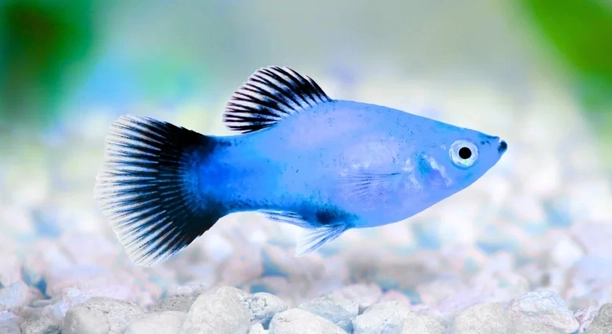
Have you ever watched your platies swim around and wondered if they know when their own babies are nearby? These small, colorful fish are popular in home aquariums and often surprise their owners with new fry.
Platies do not appear to recognize their own fry and may even eat them if given the chance. This behavior is common among livebearers and is driven more by instinct and hunger than by parental care.
Understanding how platies behave around their fry can help you provide a safer space for baby fish and improve their survival chances.
Why Platies Eat Their Own Fry
In a home tank, platies are not known for being caring parents. They usually don’t protect or care for their babies after giving birth. This is mainly because platies, like many livebearers, don’t form any strong bonds with their offspring. The fry are seen as just another small moving object, which can trigger a feeding response. This instinct comes from the wild, where food may be limited. Eating small, easy-to-catch prey helps adult fish survive. In a tank setting, where food is usually abundant, the behavior still happens simply because it’s natural for them. Baby fish are tiny and defenseless, making them easy targets. If you want to raise fry successfully, you’ll need to separate them from the adults or provide lots of hiding spaces like plants or breeding boxes. This reduces the chances of the adults spotting and eating them right after birth.
It may seem harsh, but this behavior is normal and expected for platies.
If your goal is to protect as many fry as possible, understanding this instinctive behavior helps you plan better. It’s not about the adult fish being aggressive—it’s simply how they survive. Keeping fry safe means stepping in with a little support at the right time.
Do Platies Know the Fry Are Theirs?
Platies do not recognize their babies in the way humans understand recognition.
Fish brains are much simpler than mammals, and they don’t have the capacity for complex memory or emotional connection. Unlike animals that nurse or care for their young, platies do not form any kind of parental bond. As soon as the fry are born, they are viewed the same as any other tiny creature in the tank—potential food. There are no chemical signals or behavioral traits in platies that show any awareness that the fry are their own. In fact, platies show no difference in how they treat their fry compared to fry from other platies. Some owners think their fish “act differently” after giving birth, but this is usually just a response to stress or changes in the tank. The adult fish are focused on their next meal, not on protecting their young. This lack of recognition is common in many types of livebearing fish.
How to Keep Fry Safe in a Community Tank
The best way to protect platy fry is by giving them places to hide. Live plants, mesh, and decorations with small gaps work well. These create spaces the fry can slip into, away from adult fish that might try to eat them.
Placing dense plants like Java moss, guppy grass, or floating plants in your tank can give fry the protection they need in their early days. These plants create natural hiding spots and allow the fry to stay out of sight. You can also use a breeding box to separate the mother before she gives birth and move her back after. If you’re not using a breeding box, make sure the tank is filled with cover from top to bottom. Even though some fry may still get eaten, a well-planted tank can significantly increase survival rates. Feeding the adults regularly also helps reduce their interest in chasing down fry.
Keeping fry safe doesn’t always mean removing them. In many cases, providing the right setup is enough to help them survive. A combination of heavy plant cover and daily feedings can distract adult fish and give the fry time to grow. After a few weeks, they’ll be large enough to avoid being eaten or can be moved to another tank.
Can Fry Recognize Their Parents?
Platy fry do not show any behavior that suggests they know who their parents are. After birth, they are fully independent and begin fending for themselves right away. They don’t rely on adult fish for safety, food, or guidance.
Fry operate on instinct alone. They swim, hide, and feed without any support. There is no bonding process between the fry and the parent fish, and the fry will avoid all larger fish, including their mother, as a survival response. This behavior keeps them alive in a tank where adult fish might eat them. Even though it might seem like the fry stick close to the parent fish at times, it’s often by accident, not recognition. Some fry may stay in one area because it’s quiet or has more cover. In truth, there’s no relationship between parent and baby in platies. Each fish, big or small, simply focuses on surviving.
Why Adult Platies Don’t Care for Their Young
Platies don’t care for their young because they haven’t evolved to do so. They give birth and immediately go back to their regular behavior. There’s no instinct to protect or raise their fry.
Their energy is spent on survival and reproduction, not parenting. Once the fry are born, they’re on their own.
Do Platies Show Any Protective Behavior?
Platies don’t show protective behavior toward their fry. In fact, they behave the opposite way. If a fry swims too close, the adult might eat it without hesitation. This is not out of aggression, but out of instinct. Even well-fed platies may chase or bite at fry if the opportunity arises. This lack of care is common among most livebearing fish, especially in community tanks. Some fishkeepers think larger tanks or peaceful fish make a difference, but unless fry are separated or given cover, adult platies will likely eat them. It’s just how their behavior has developed over time.
What This Means for Tank Setup
If you want to raise fry, you’ll need to plan ahead. Either set up a separate tank or make sure the main tank has lots of cover.
FAQ
Do platies feel emotions toward their fry?
No, platies do not feel emotions toward their fry. Fish like platies don’t form emotional bonds the way mammals do. Their behavior is driven by instinct, not feelings. Once the fry are born, the adults move on without showing any attachment. Even if the fry stay close, the adults don’t respond differently.
Why do platies eat their babies even when they’re fed well?
Feeding platies regularly may lower the chances of fry being eaten, but it doesn’t stop the behavior entirely. Fry are small, fast-moving, and easy to catch. Adult platies often snap at anything that looks like food, and fry are no exception. It’s not personal—it’s just how they’re wired to respond.
Can I stop platies from eating their fry without separating them?
Yes, it’s possible, but it takes planning. Add plenty of live plants, hiding spaces, and floating cover like hornwort or guppy grass. These give fry places to hide until they’re big enough to avoid adult fish. You can also feed your platies more often to help reduce their interest in fry.
Do platies know which fry are theirs and which belong to other fish?
Platies do not recognize their own fry or tell the difference between theirs and others. All fry are treated the same—mainly as potential food. This lack of recognition is normal in most livebearing fish, and it’s one reason why fry survival rates can be low without intervention.
Will platy fry survive in a community tank?
Some may survive, especially in a well-planted tank with lots of cover. However, the odds are low unless the setup is fry-friendly. Community tanks often have other fish that may also eat fry. If survival is your goal, using a breeder box or separate tank gives the best results.
How long should I keep platy fry separated?
It depends on their size and the behavior of the adult fish. Most people wait until the fry are at least an inch long. At that size, they’re usually too big to be eaten. This can take about 4 to 6 weeks, depending on water conditions and food.
What’s the best food for platy fry?
Platy fry do well on crushed flakes, baby brine shrimp, or specialized fry food. Feed them small amounts several times a day. The more protein-rich and easy to eat the food is, the faster they’ll grow. Uneaten food can dirty the tank, so don’t overfeed.
Do platies ever “learn” not to eat their babies?
No, platies do not learn or change their behavior in this way. Each time they give birth, they act the same. They don’t remember past events or develop new habits from experience. Fish behavior is instinct-based and doesn’t adapt like that over time.
What’s a simple setup for raising fry?
A small 10-gallon tank with a sponge filter, heater, and live plants is often enough. Keep the water clean and warm (around 78°F), feed the fry several times a day, and make sure there’s plenty of cover. This setup supports healthy growth and keeps them safe.
How can I tell if fry are getting enough food?
Fry that are eating well will have slightly rounded bellies and stay active. If they’re hiding all the time or look thin, try feeding smaller amounts more often. Watch how much food is left after feeding—too much waste means you need to cut back.
Final Thoughts
Raising platy fry can feel rewarding, but it also takes a bit of planning. These fish are not known for caring for their babies, so most of the work is left to you. Understanding their behavior helps set the right expectations. It’s not about being a good or bad fish—platies are just following instinct. Once the fry are born, the adults go back to their usual routines, which may include eating any small fish they see. This might seem harsh, but it’s a natural part of how they live. If you want your fry to survive, taking a few simple steps can make a big difference.
Providing a safe space is one of the most important things you can do. Even just adding live plants or using a breeder box gives fry a better chance at survival. Some fishkeepers choose to move the fry to a separate tank, while others focus on making the main tank fry-friendly. There’s no one perfect way—what matters is that the fry have places to hide. Feeding the adult fish regularly also helps. A full platy is less likely to chase a baby fish. Over time, you’ll get better at spotting signs that your platy is close to giving birth, which gives you a chance to prepare in advance.
Platies don’t bond with their young, and fry don’t recognize their parents. Everything they do is based on survival. That’s why giving them support from the start is so important. If left in an open tank without shelter, most fry won’t make it past the first few days. But with the right setup, you can raise healthy young platies that grow strong and active. Watching them develop is one of the most enjoyable parts of keeping livebearers. You don’t need expensive gear—just clean water, proper food, and a safe environment. Whether you’re raising just a few or hoping for a full new generation, knowing how platies behave will help you make better choices. It’s a learning process, but a simple and manageable one with the right information.

Hello,
If you enjoy the content that we create, please consider saying a "Thank You!" by leaving a tip.
Every little bit helps us continue crafting quality advice that supports the health, happiness, and well-being of pets around the world, for pets of all shapes, sizes, and species.
We really appreciate the kindness and support that you show us!