
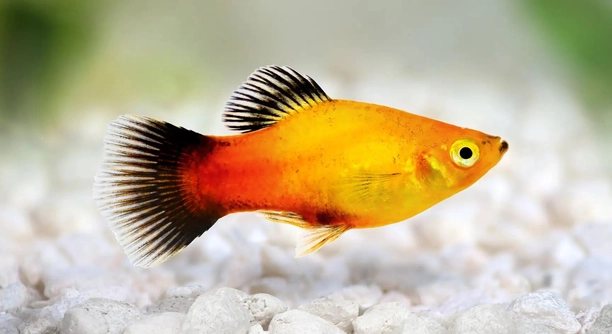
Keeping your platies’ tank water clear is important for their health and enjoyment. Cloudy or murky water can hide problems and make your aquarium look less inviting. Knowing how to maintain good water clarity makes a big difference for your fish.
Improving water clarity for platies involves proper filtration, regular water changes, controlling feeding amounts, avoiding overcrowding, cleaning decorations and substrate, managing algae growth, and using water clarifiers when necessary. These steps help maintain a balanced and healthy aquarium environment.
Learning simple ways to keep water clear can make your platies thrive and your tank more pleasant to watch. The following tips will help you create a cleaner, healthier space for your fish.
Use Proper Filtration
A good filter is key to keeping your platies’ tank water clear. Filters remove waste, uneaten food, and debris that cloud the water. It’s important to choose a filter suitable for the size of your aquarium. Too small, and it won’t clean efficiently; too strong, and it might stress the fish. Regular maintenance of the filter is just as important as having one. Clean or replace filter media on schedule to ensure it works properly. A well-functioning filter creates water movement, which also helps oxygenate the tank. This supports your platies’ health while preventing the buildup of harmful substances. The type of filter you pick, like sponge, canister, or hang-on-back, depends on your tank setup and preference. But all filters need attention to keep performing well.
Proper filtration keeps water clear by constantly removing impurities and maintaining a stable environment for your platies.
Filters can be overlooked but play a crucial role in water clarity and fish health.
Regular Water Changes
Performing regular water changes is one of the most effective ways to improve water clarity. Changing 20-30% of the tank water weekly helps remove dissolved waste and excess nutrients that cloud the water. It also replenishes minerals and keeps water chemistry stable. Use a siphon to clean the gravel while removing water to get rid of debris hiding in the substrate. Avoid removing too much water at once, as sudden changes can stress your platies. Using treated, temperature-matched water when refilling is essential to avoid shocking the fish. While water changes may seem like a chore, they are a simple and natural way to keep the aquarium healthy. Consistency is key, so make water changes part of your regular tank care routine. This habit will keep your water looking fresh and clear over time.
Cleaning the substrate during water changes prevents buildup that can cloud water and harm fish.
Regular water changes help maintain a balanced tank environment and reduce the risk of algae blooms or toxins affecting platies. It also improves overall water quality by lowering nitrate levels. By removing dirty water and replacing it with fresh water, you reduce contaminants that filters alone can’t handle. This process supports biological filtration and helps beneficial bacteria thrive. These bacteria break down waste products naturally, keeping the water safe. Regular maintenance through water changes helps avoid sudden water quality problems and keeps your fish comfortable. When paired with a good filter, consistent water changes are one of the best ways to maintain clear water and healthy platies. Over time, this care will make your aquarium a stable, enjoyable space for your fish to grow.
Control Feeding Amounts
Overfeeding is a common cause of cloudy water. Uneaten food decomposes and releases waste, making the water murky. Feed your platies only what they can eat in about two minutes.
Feeding the right amount keeps the tank cleaner and reduces waste buildup. Platies are small fish with modest appetites, so offering small portions two to three times daily is enough. Avoid adding extra food “just in case,” as this leads to leftovers. Uneaten food sinks and breaks down, promoting bacterial growth that clouds water. Using a feeding schedule helps you monitor how much your fish consume. Watching your platies during feeding lets you adjust portions to their needs. Proper feeding habits not only improve water clarity but also support healthy fish growth and reduce tank maintenance.
By controlling feeding amounts, you limit excess nutrients that feed algae and bacteria. This reduces the risk of cloudy water and keeps your aquarium balanced.
Avoid Overcrowding
Keeping too many fish in one tank stresses the system and lowers water quality. Overcrowding means more waste, which clouds water faster.
Each platy needs enough space to swim and grow. Crowded tanks fill quickly with fish waste, overwhelming filters and natural bacteria. This results in poor water conditions that make the water appear dirty. Overcrowding also raises stress levels among fish, making them more vulnerable to disease. A general rule is one inch of fish per gallon of water. This ensures the tank can handle waste and maintain clear water. If you want more platies, consider a larger tank with adequate filtration. Maintaining a balanced fish population reduces the load on your system and keeps your aquarium clear and healthy.
Clean Decorations and Substrate
Decorations and substrate can trap debris and waste, causing cloudy water if not cleaned regularly. Rinse and scrub them gently during water changes to keep the tank clean.
Avoid harsh chemicals that could harm your platies. Use only aquarium-safe tools and water to clean decorations and gravel.
Manage Algae Growth
Algae buildup can make your tank look green and murky. Controlling light exposure and nutrient levels helps keep algae in check. Limit how long your aquarium light stays on, usually 8 to 10 hours daily. Too much light encourages algae growth. Avoid excess feeding, which adds nutrients algae thrive on. Introducing algae eaters like snails or shrimp can help naturally reduce algae. Regular tank maintenance and proper water changes also limit algae buildup. Managing algae growth is essential to maintaining clear water and a healthy environment for your platies.
Use Water Clarifiers
Water clarifiers help clear tiny particles by clumping them together for easier removal by filters. Use clarifiers as directed to avoid overdosing.
FAQ
How often should I change the water in my platies’ tank?
Water changes should be done weekly, replacing about 20-30% of the tank water each time. This helps remove dissolved waste and keeps the water chemistry stable. Changing too much water at once can stress your fish, so smaller, regular changes are best.
Can I use tap water for my aquarium?
Tap water can be used but must be treated first. Tap water often contains chlorine or chloramine, which are harmful to fish. Use a water conditioner to remove these chemicals before adding water to the tank. Also, make sure the water temperature matches the tank’s to avoid shocking your platies.
Why is my aquarium water still cloudy after cleaning?
Cloudy water after cleaning can happen if beneficial bacteria were disturbed or removed. These bacteria help break down waste and keep water clear. Avoid over-cleaning the filter or substrate. Sometimes new tanks experience “new tank syndrome,” where bacteria are still establishing, causing temporary cloudiness.
How much should I feed my platies daily?
Feed small amounts two to three times daily—only what they can finish in about two minutes. Overfeeding leads to leftover food that pollutes the water. Watching how much your fish eat helps you adjust portions to prevent waste buildup.
Can adding too many platies cause water problems?
Yes. Overcrowding increases waste production, which can overload your filtration system and cloud the water. A good rule is one inch of fish per gallon of water. This balance helps maintain better water quality and reduces stress on the fish.
What type of filter works best for platies?
Filters that provide mechanical, biological, and chemical filtration are ideal. Sponge filters, hang-on-back filters, or canister filters are common choices. Make sure the filter suits your tank size and clean or replace filter media regularly to keep it effective.
Is algae harmful to platies?
Algae itself is not directly harmful but can indicate poor water quality. Excessive algae can use up oxygen at night and make the tank look dirty. Controlling light exposure and nutrient levels helps prevent algae growth and maintains a healthy environment for your fish.
How do water clarifiers work?
Water clarifiers bind small particles together into larger clumps, making it easier for the filter to remove them. They can quickly improve water clarity, but they don’t replace regular tank maintenance or water changes. Use clarifiers as directed and avoid overuse.
Can I clean the tank decorations with soap?
No, soaps and detergents can leave harmful residues that poison your fish. Always clean decorations using warm water and a soft brush or sponge designated for aquarium use. Regular cleaning helps prevent waste buildup and keeps the water clearer.
Why does my tank water turn green sometimes?
Green water usually means an algae bloom caused by too much light or excess nutrients in the water. Reducing light exposure, controlling feeding, and regular water changes can help. Adding algae-eating creatures may also keep green water under control.
How do I know if my platies are stressed?
Signs of stress include hiding, loss of appetite, clamped fins, or unusual swimming patterns. Poor water quality from cloudy or dirty water often causes stress. Keeping the water clean, balanced, and properly filtered helps your platies stay healthy and active.
Are water clarifiers safe for all aquarium inhabitants?
Most water clarifiers are safe when used correctly, but some sensitive species may react differently. Always follow the product’s instructions and monitor your fish after use. If unsure, research the clarifier’s compatibility with your tank’s specific inhabitants.
Keeping your platies’ tank water clear is important for their health and for enjoying your aquarium. Clear water lets you see your fish well and helps create a better living environment for them. When water becomes cloudy or dirty, it can hide problems like illness or poor water conditions. It also makes the tank less attractive. Following simple care steps like using proper filtration, performing regular water changes, and controlling feeding helps prevent these issues. These efforts keep the tank stable and comfortable for your platies.
Maintaining water clarity also means watching out for algae growth and cleaning decorations and substrate regularly. Algae can quickly turn water green and murky, while waste and leftover food can gather in the gravel or on decorations. Cleaning these parts during water changes stops debris from breaking down and clouding the water. It’s important to use gentle methods and avoid harsh chemicals to keep your fish safe. Managing the number of fish in the tank and feeding them the right amount also reduces waste and stress on the system. When the tank is balanced, water stays clear longer, and your platies stay healthier.
Using tools like water clarifiers can help in tricky situations, but they should not replace regular maintenance. These products work by making tiny particles clump together so filters can remove them more easily. However, they are only part of the solution. A healthy aquarium depends mostly on good habits like consistent cleaning, proper feeding, and careful stocking. With time and care, you’ll find that clear water is easier to keep and your platies will thrive. Keeping these basic steps in mind makes tank care less stressful and more rewarding.

Hello,
If you enjoy the content that we create, please consider saying a "Thank You!" by leaving a tip.
Every little bit helps us continue crafting quality advice that supports the health, happiness, and well-being of pets around the world, for pets of all shapes, sizes, and species.
We really appreciate the kindness and support that you show us!