
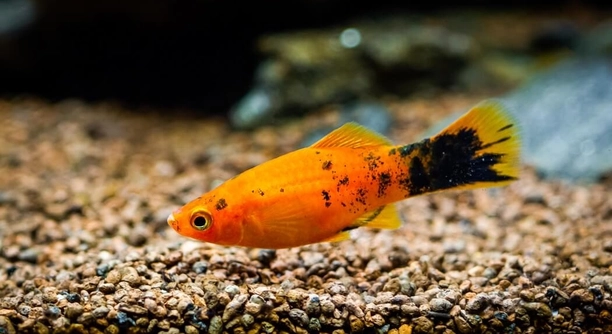
Platies are popular freshwater fish known for their bright colors and peaceful nature. Many fishkeepers enjoy having them in home aquariums because they are relatively easy to care for and add vibrancy to any tank. Proper water temperature plays a key role in keeping platies healthy and active.
The ideal water temperature for platies ranges between 72 and 78 degrees Fahrenheit (22 to 26 degrees Celsius). Maintaining this temperature range supports their metabolism, immune system, and breeding behavior. Temperatures outside this range can cause stress and health problems.
Understanding the best temperature range will help maintain a stable environment for platies. This knowledge is important for their overall well-being and longevity in your aquarium.
Why Temperature Matters for Platies
Water temperature affects many aspects of platies’ health and behavior. When the temperature is just right, platies stay active, eat well, and grow properly. If the water is too cold, their metabolism slows down, making them less energetic and more vulnerable to disease. On the other hand, water that is too warm can reduce oxygen levels, causing stress and potentially shortening their lifespan. Stable temperature is also important because sudden changes can shock platies and weaken their immune systems. Keeping the tank within the ideal temperature range helps mimic their natural habitat, promoting breeding and overall vitality. Many common health issues in platies stem from improper temperature, so regular monitoring with a reliable aquarium thermometer is essential. Adjusting the heater or placing the tank away from drafts or direct sunlight can prevent fluctuations and keep conditions consistent. This simple step improves the quality of life for your platies significantly.
Maintaining a steady temperature between 72°F and 78°F is crucial for platies to thrive. Consistency in water temperature reduces stress and supports good health.
Temperature influences feeding, activity levels, and breeding. Proper care means monitoring and adjusting temperature to suit platies’ needs continuously.
How to Maintain the Ideal Water Temperature
Using an aquarium heater with a built-in thermostat is the most effective way to keep water temperature stable. These heaters automatically adjust to maintain the set temperature, preventing sudden changes. It is important to choose a heater rated for your tank’s size to ensure even heating. Additionally, placing the aquarium away from windows or air vents reduces temperature swings caused by environmental factors. Monitoring the temperature daily helps catch any issues early before they affect your fish. In case of power outages, having a backup heater or plan to maintain warmth is beneficial. Regular maintenance of the heater and thermometer ensures they function properly over time. Simple adjustments, such as adding insulation or using a tank cover, can also help retain heat. These steps collectively create a safe, comfortable environment where platies can live without temperature stress.
A reliable heater and daily temperature checks make maintaining the right conditions easier and safer for platies.
Consistent temperature care supports long-term health and helps prevent common illnesses caused by thermal stress in aquarium fish.
Signs Your Platies Are Too Cold
When platies are too cold, they become less active and may hide more than usual. Their appetite often decreases, and they may stop eating altogether. These changes indicate that the water temperature is below their comfort zone, which can weaken their immune system over time.
Cold water slows platies’ metabolism, causing sluggish swimming and reduced responsiveness. Their colors might fade, making them look dull compared to their usual vibrant appearance. You may notice that they stay near the bottom of the tank or cluster around any heat source. Prolonged exposure to low temperatures increases the risk of illnesses, such as fungal infections or internal parasites, because their bodies cannot fight off pathogens effectively.
Addressing cold conditions quickly is important. Adjusting the heater to raise the temperature gradually helps avoid shock. Monitoring behavior after changes will confirm if the platies are recovering. Keeping the tank stable prevents recurring health issues and supports normal growth and reproduction.
Signs Your Platies Are Too Warm
When water gets too warm, platies may become restless and gasp at the surface due to lower oxygen levels. Their swimming can become erratic, and they might avoid crowded areas in the tank. Warm water also increases stress, which weakens their immune defenses.
Excessive heat speeds up platies’ metabolism, causing them to need more oxygen, but warm water holds less oxygen than cooler water. This imbalance can cause breathing difficulties and fatigue. Overheated water encourages algae growth, which reduces water quality and can harm fish health. Additionally, platies may lose their vibrant colors and show signs of irritation or illness more quickly under heat stress.
To cool the tank, increase aeration with air stones or filters, and avoid placing the aquarium in direct sunlight. Lowering the heater setting carefully will improve conditions. These measures keep platies comfortable and healthy despite warmer environments.
How to Measure Aquarium Temperature
Use a reliable aquarium thermometer to check the water temperature daily. Digital or stick-on thermometers provide accurate readings and help track changes easily.
Place the thermometer where water circulates well, avoiding areas near heaters or filters to get the most accurate measurement of the tank’s overall temperature.
Best Temperature for Breeding Platies
Platies breed most successfully between 74 and 78 degrees Fahrenheit (23 to 26 degrees Celsius). Maintaining this range encourages healthy fry development and frequent spawning.
Consistent temperature helps avoid stress during breeding, ensuring female platies stay healthy and males remain active. Temperature fluctuations can reduce breeding success and lead to weaker offspring.
Avoiding Temperature Shock
Sudden temperature changes can shock platies, causing stress or illness. Gradual adjustments help fish adapt without harm.
FAQ
What happens if platies stay in water that is too cold?
Platies kept in water that is too cold will become sluggish and less active. Their immune system weakens, making them more prone to infections. They may lose appetite and show faded colors. Over time, exposure to cold can cause serious health problems and reduce their lifespan.
Can platies survive in water that is warmer than 78°F?
Platies can survive short periods in warmer water, but extended exposure to temperatures above 78°F can cause stress and oxygen deprivation. Warm water holds less oxygen, which may cause difficulty breathing. Consistent high temperatures can also increase disease risk and reduce overall health.
How do I safely adjust the temperature in my tank?
To adjust temperature safely, change it gradually by 1-2 degrees Fahrenheit per day. Sudden shifts can shock platies and cause stress or illness. Use a reliable heater with a thermostat and monitor with a thermometer to maintain steady conditions.
Is a heater necessary for platies?
A heater is necessary if your room temperature falls below the ideal range (72-78°F). Platies need stable warmth to stay healthy. Without a heater, temperature fluctuations can cause stress and health issues.
What type of thermometer works best for platies tanks?
Digital thermometers and stick-on glass thermometers both work well. Digital models offer quick, accurate readings. Stick-on thermometers are inexpensive and easy to use. Choose one that fits your tank size and check readings regularly.
How often should I check the water temperature?
Check the water temperature at least once daily. Frequent monitoring helps catch problems early and prevents harmful fluctuations. Consistent temperature control supports platies’ health and activity.
Can platies handle temperature changes during water changes?
Large temperature differences during water changes can shock platies. Always use water close to the tank’s current temperature. Slowly mix new water with tank water if needed, to avoid sudden shifts.
What are signs of temperature shock in platies?
Signs of temperature shock include erratic swimming, gasping at the surface, lethargy, loss of appetite, and color fading. If noticed, immediately stabilize the temperature and monitor fish closely for recovery.
Does temperature affect platies’ breeding behavior?
Yes, platies breed best in stable temperatures between 74-78°F. Consistent warmth supports healthy fry development and encourages spawning. Fluctuating temperatures can reduce breeding frequency and fry survival.
Can platies adapt to temperatures outside their ideal range?
Platies can tolerate minor fluctuations but do not adapt well to extreme or prolonged temperatures outside 72-78°F. Staying within the recommended range ensures their health, activity, and lifespan remain optimal.
How do I prevent algae growth caused by warm water?
Algae thrive in warm water with excess nutrients and light. Controlling temperature, limiting direct sunlight, and maintaining clean water help prevent algae buildup, improving tank conditions for platies.
What should I do if my platies show signs of stress due to temperature?
Adjust the temperature gradually to the ideal range, improve aeration, and avoid sudden changes. Monitor water quality and reduce any other stress factors like overcrowding or poor filtration.
Is it okay to turn off the heater at night?
Turning off the heater at night can cause temperature swings, which stress platies. It’s better to keep the heater running to maintain consistent warmth, especially in cooler rooms.
Can room temperature affect platies’ tank temperature?
Yes, room temperature greatly influences tank water temperature. Rooms that are too cold or hot require a reliable heater or cooling methods to maintain stable water conditions for platies.
How do I cool down an overheated tank?
To cool the tank, increase aeration with air stones or filters, move the tank away from heat sources, and avoid direct sunlight. Partial water changes with cooler water can also help lower temperature safely.
Are temperature fluctuations common in home aquariums?
Fluctuations are common without proper equipment or placement. Using a heater with a thermostat, a thermometer, and positioning the tank away from drafts or sunlight helps keep temperature steady and healthy for platies.
Final Thoughts
Maintaining the right water temperature for platies is essential for their health and well-being. The ideal range of 72 to 78 degrees Fahrenheit supports their metabolism, immune system, and natural behavior. Keeping the temperature steady within this range reduces stress and helps prevent common health problems. Using a good quality aquarium heater and thermometer can make this task easier, especially in rooms where temperature changes often. By paying attention to these details, platies can thrive and display their vibrant colors and active nature.
Temperature affects more than just how platies swim or eat. It also plays a major role in their breeding success and overall lifespan. When the water is too cold, platies become sluggish and less likely to reproduce. When it is too warm, they may struggle to breathe because warm water holds less oxygen. Both extremes can cause stress, making the fish vulnerable to diseases and reducing their quality of life. Consistently monitoring the temperature and making small adjustments helps avoid these problems. This care ensures platies live comfortably in a stable and safe environment.
Taking the time to understand and control water temperature is a simple yet powerful way to support your platies. It is important to remember that sudden changes can be harmful, so gradual adjustments and daily checks are recommended. Also, proper tank placement away from drafts or direct sunlight helps maintain a balanced temperature. With steady conditions, platies will stay healthy, active, and beautiful for a long time. Paying close attention to temperature is one of the best ways to enjoy the benefits of keeping these colorful fish in your home aquarium.

Hello,
If you enjoy the content that we create, please consider saying a "Thank You!" by leaving a tip.
Every little bit helps us continue crafting quality advice that supports the health, happiness, and well-being of pets around the world, for pets of all shapes, sizes, and species.
We really appreciate the kindness and support that you show us!