
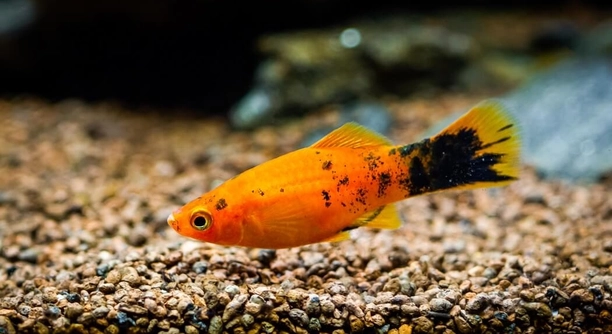
Platies are popular freshwater fish known for their vibrant colors and peaceful nature. Many fishkeepers enjoy watching them swim freely in their tanks. However, some platies may avoid open water and stick close to hiding spots or plants.
Platies avoid open water mainly because of stress or perceived threats in their environment. Factors such as sudden changes in water conditions, the presence of aggressive tankmates, or lack of proper cover can cause them to stay near shelter for safety and comfort.
Understanding why platies behave this way can help you create a better environment for them. This article will explore key reasons behind their behavior and offer simple solutions to encourage more confident swimming.
Stress and Tank Environment
Stress is one of the main reasons platies avoid open water. When they feel unsafe, they look for places to hide. Changes like sudden temperature shifts, poor water quality, or loud noises can make them nervous. If the tank has aggressive fish or too little cover, platies won’t feel comfortable swimming openly. They need plants, rocks, or decorations where they can retreat quickly. Even the size of the tank matters—small or overcrowded tanks can increase stress levels. When platies feel stressed, they also stop eating well and may become more prone to disease. Keeping the water clean and stable helps reduce their anxiety. Regular water testing and gentle tank maintenance create a calmer environment. Providing plenty of hiding spots lets platies relax and explore the open water when they feel ready.
Platies naturally seek safety in their surroundings, especially if the tank environment feels threatening or unstable.
Creating a balanced tank with stable water conditions and enough shelter is essential. This way, platies will feel secure enough to swim freely and show their natural, lively behavior.
Water Conditions and Their Impact
Water quality plays a big role in platies’ comfort. Poor water conditions can cause stress, making them avoid open water. If ammonia, nitrite, or nitrate levels are too high, fish hide more often. Also, incorrect pH or temperature changes disrupt their normal behavior. Platies prefer a stable temperature between 72°F and 78°F (22°C to 26°C). Sudden changes shock their system and cause hiding. Keeping water clean with regular changes and a good filter helps keep them healthy and confident. Testing the water weekly prevents problems from building up. Also, avoid overcrowding the tank because it reduces water quality and increases stress. A well-maintained tank with balanced water parameters encourages platies to explore all areas instead of staying near the bottom or behind plants.
Consistent water quality is key to making platies feel secure and active throughout the tank.
Tank Mates and Their Influence
Some fish can be too aggressive or fast for platies. This makes platies feel threatened and hide more often. Peaceful tankmates help platies feel safe and swim freely.
Aggressive fish chase or nip at platies, causing stress and fear. Even fast swimmers can intimidate platies, making them avoid open water. Choosing calm, non-aggressive species like tetras or guppies creates a friendlier environment. When platies live with peaceful fish, they show more natural behavior, exploring the tank and feeding confidently. Observing how different fish interact helps adjust the tank setup to reduce stress. It’s important to avoid overcrowding, as this can increase tension among all fish and push platies into hiding.
Providing platies with calm tankmates and enough space encourages them to swim openly and reduces anxiety caused by bullying or competition.
Shelter and Plant Life
Platies need places to hide to feel safe, especially when stressed. Plants and decorations offer essential cover and comfort.
Live plants create a natural environment where platies can explore and retreat when needed. Dense plant areas act as safe zones, reducing their fear of open spaces. Artificial plants or tank decorations can also provide hiding spots but don’t offer the same water benefits as live plants. Adding floating plants creates shaded areas, making platies feel less exposed. Shelter reduces stress and helps platies recover from any discomfort or illness. It also gives shy or new fish time to adjust. A well-planted tank encourages healthy behavior, making platies more active and visible. Regularly rearranging decorations keeps the environment interesting and stimulates natural exploration.
Feeding Habits and Behavior
Platies tend to stay near the bottom or plants while feeding. This behavior can make them seem shy in open water.
Uneaten food or overfeeding can cause water quality issues, increasing stress and hiding behavior. Feeding smaller amounts more often helps keep them comfortable.
Tank Size and Space
A tank that is too small limits platies’ movement and increases stress. Providing enough space lets them swim confidently and reduces hiding.
Lighting and Its Effects
Bright or harsh lighting can make platies feel exposed and vulnerable, leading them to avoid open areas. Soft, diffused lighting helps create a more comfortable environment.
Acclimation Period
New platies need time to adjust to their environment. During this period, they may stay hidden until they feel safe and familiar with their surroundings.
FAQ
Why do my platies hide all the time?
Platies often hide because they feel unsafe or stressed. This can happen if the tank has aggressive fish, poor water quality, or not enough hiding places. Stress can also come from sudden changes in temperature or light. Giving platies plenty of plants and decorations to hide behind helps them feel more secure.
Can poor water quality make platies avoid open water?
Yes, poor water quality causes stress and illness, making platies less likely to swim in open areas. High ammonia, nitrite, or nitrate levels irritate their gills and skin. Keeping the tank clean and stable with regular water changes and testing is essential for their comfort and health.
How long does it take for platies to stop hiding in a new tank?
New platies usually take a few days to a week to adjust and feel safe. During this time, they might hide a lot. Providing plenty of cover and stable water conditions helps speed up the acclimation. Patience is key, as rushing changes can increase their stress.
Do platies need live plants to feel comfortable?
Live plants are very helpful because they create a natural environment and improve water quality. Platies like to hide and explore plants. While artificial plants can offer shelter, they don’t support the tank’s ecosystem as well as live plants do.
Will tank size affect my platies’ behavior?
Yes, small or overcrowded tanks increase stress and limit swimming space, causing platies to hide more. A larger tank with enough space to swim freely helps them feel safe and active. Aim for at least 10 gallons for a small group.
Can tankmates cause platies to avoid open water?
Aggressive or overly active tankmates scare platies and make them hide. Peaceful fish with similar temperaments are better companions. Avoid aggressive species or fast swimmers that compete for food or territory.
Is lighting important for platies to swim openly?
Lighting that is too bright or harsh can make platies feel exposed and insecure. Softer, diffused light creates a calm environment. Floating plants or shaded areas help reduce stress caused by strong light.
How often should I feed my platies?
Feed small amounts once or twice a day. Overfeeding leads to leftover food, which pollutes the water and stresses platies. Healthy feeding encourages activity and reduces hiding.
What signs show that stress is causing my platies to hide?
Stress signs include clamped fins, loss of appetite, dull color, and hiding more than usual. If you notice these, check water quality, tankmates, and environment to make necessary changes.
Can platies get used to open water over time?
Yes, with a calm tank, proper care, and good hiding places, platies gradually explore open water more confidently. Regular maintenance and a peaceful environment support this behavior.
Platies are beautiful and lively fish, but their behavior can sometimes be puzzling, especially when they avoid open water. This usually happens because they feel unsafe or stressed in their environment. Factors like water quality, tank size, tankmates, lighting, and available shelter all play a role in how comfortable platies feel. When these needs are not met, platies tend to stay close to plants or decorations where they feel more protected. Understanding these basic reasons helps in creating a better space for them to thrive.
Maintaining stable water conditions is one of the most important things you can do for your platies. Sudden changes in temperature or poor water quality often cause them to hide more. Keeping up with regular water changes, testing the water often, and making sure the tank is clean will reduce stress. The right tank size is also important because cramped spaces limit their movement and increase tension. Along with proper space, adding live plants or decorations for shelter provides the security platies need. They feel less exposed and are more likely to swim confidently in open water when they have places to retreat to if needed.
The other key factor is choosing the right tankmates. Platies are peaceful fish and do best with calm companions. Aggressive or fast-moving fish can intimidate them and make them hide more often. Watching how fish interact helps in spotting any bullying or stress early on. Lighting also matters because too bright or harsh lights can make platies feel vulnerable. Softer light or shaded areas create a calm atmosphere. Finally, be patient with new platies as they take time to adjust. Giving them a stable, peaceful environment and plenty of shelter encourages them to explore and be more active. Taking these steps will help your platies feel safe, happy, and free to swim in open water.

Hello,
If you enjoy the content that we create, please consider saying a "Thank You!" by leaving a tip.
Every little bit helps us continue crafting quality advice that supports the health, happiness, and well-being of pets around the world, for pets of all shapes, sizes, and species.
We really appreciate the kindness and support that you show us!