
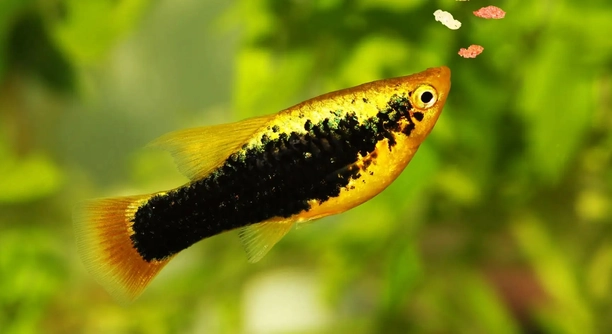
Do you have a platy fish swimming around in your aquarium and wonder how it interacts with you? These small, colorful fish often bring life to home tanks. Understanding their behavior can deepen your appreciation for them.
Platies do show interest in their owners, often watching movements outside the tank. This behavior indicates curiosity and recognition rather than complex social bonding. Their visual attention helps them stay aware of their environment and any potential changes.
Learning more about why platies watch their owners can improve how you care for them. This insight reveals subtle ways these fish engage with their surroundings daily.
Why Platies Watch Their Owners
Platies are naturally curious fish that respond to movement and changes around them. When you approach the tank, they may swim closer or follow your hand. This behavior helps them stay alert to their environment, including potential food sources. They do not have strong social bonds like some pets, but their attention shows they recognize activity nearby. Watching their owners is a way for platies to assess safety and respond to routine actions, such as feeding time. Their eyesight is adapted to detect motion, making it natural for them to observe movements outside the tank. This behavior also reflects their need to remain aware of threats in the wild. Even in a calm aquarium, their instincts encourage vigilance. Recognizing this can help owners interact with platies in ways that feel comfortable to the fish and reduce stress.
Platies watch owners mostly due to curiosity and environmental awareness. This behavior is natural and harmless.
Understanding why platies focus on movements outside their tank can help owners create a better environment. It explains how platies engage with their surroundings and avoid stress. When they watch, they are alert, not necessarily seeking interaction. This insight guides owners in recognizing signs of comfort or anxiety. For example, sudden fast movements may startle platies, while calm approaches attract their attention. Providing consistent routines helps platies feel secure. Watching can also indicate anticipation, especially before feeding. Observing these behaviors allows owners to respond appropriately. It also shows that platies use visual cues to understand their environment. By maintaining a peaceful setting and predictable schedule, owners support their platies’ natural tendencies. This knowledge helps improve the fish’s overall wellbeing and strengthens the human-animal connection without forcing interaction.
How to Respond When Your Platy Watches You
When your platy watches you, it is important to remain calm and move slowly. Sudden movements can scare the fish, causing it to hide or swim away.
Offering food gently when your platy is attentive reinforces positive behavior and builds trust. Avoid tapping the glass or creating loud noises, as these disturb the fish and cause stress. Interacting with platies in a quiet manner helps maintain their comfort and reduces fear. It also encourages them to watch and approach more often, making the aquarium experience more enjoyable for both owner and fish. Consistent feeding times and gentle gestures teach platies to associate your presence with safety and care. Additionally, changing the tank environment slowly prevents startling them, allowing them to stay curious and observant. This approach supports their natural instincts while promoting a calm atmosphere in the tank.
Recognizing Signs of Stress in Platies
Platies may show signs of stress by hiding frequently, swimming erratically, or losing color. These behaviors indicate discomfort and need attention.
Stress in platies can be caused by sudden changes in the environment, poor water quality, or aggressive tank mates. When stressed, platies may avoid watching or interacting with their owners. It is important to monitor water temperature, cleanliness, and tank conditions regularly to reduce stress. Keeping a calm environment with stable conditions helps platies feel safe.
If your platy shows signs of stress, try to identify recent changes that may have caused it. Adjust feeding routines, improve tank maintenance, and remove any aggressive fish. Offering hiding spots and plants can help platies feel secure. Stress management is key to keeping your fish healthy and calm around you.
How Interaction Affects Platies’ Behavior
Regular, gentle interaction helps platies become familiar with their environment and owner. This can reduce fear and encourage more frequent watching.
Over time, platies learn to associate calm, predictable actions with safety. When owners feed or move slowly around the tank, platies may respond by swimming closer and watching more attentively. However, platies do not seek interaction in the same way pets like dogs do. Their interest is mainly based on curiosity and recognition rather than social needs. Understanding this helps owners manage expectations and improve care. Respecting the fish’s limits prevents stress and builds a peaceful relationship that benefits both platies and their owners.
How Lighting Influences Platy Behavior
Lighting plays a key role in platies’ activity and watching habits. Bright or sudden changes in light can startle them.
A steady, moderate light helps platies feel secure and encourages natural behaviors. Consistent lighting supports their daily routine and reduces stress.
Feeding and Watching Habits
Platies often watch their owners closely before feeding time. This behavior shows anticipation and recognition of routine.
Tank Environment and Visual Engagement
A well-decorated tank with plants and hiding spots keeps platies interested and comfortable. This environment encourages them to observe their surroundings, including their owners, more frequently.
Training Platies to Recognize Owners
Platies can learn to associate owners with feeding through consistent, gentle routines. This recognition increases the likelihood they will watch and respond to you.
Do platies recognize their owners?
Platies do not recognize owners in the way pets like dogs do, but they can learn to associate people with food and safety. They respond to familiar movements and routines, which makes them watch closely when someone approaches the tank, especially before feeding time. This recognition is based more on habit and environmental cues than emotional bonding.
Why do platies stare at me?
When platies stare at you, it is usually because they notice movement and are curious or alert. Their eyesight helps them detect changes around the tank. Staring is a way to monitor their environment and prepare for possible feeding or danger. It does not mean they want interaction, but it shows they are aware of your presence.
Is it normal for platies to follow your hand?
Yes, platies often follow your hand because they expect food or are curious. They learn to associate hand movements near the tank with feeding times. This behavior is a sign of their alertness and interest in what is happening outside their tank. It is not a social gesture but a natural response to stimuli.
Can platies get stressed from watching their owners?
Platies usually do not get stressed simply by watching their owners. However, sudden or aggressive movements, tapping the glass, or loud noises can startle them and cause stress. Stress is more related to environmental factors, like water quality or tank mates, than the act of watching. Calm, gentle behavior around the tank helps reduce stress.
How can I make my platies less shy?
To reduce shyness, approach the tank slowly and avoid sudden movements. Consistent feeding schedules help platies feel secure and more comfortable watching and approaching you. Providing hiding spots and plants also encourages them to explore without fear. Patience and a calm environment are key.
Do platies prefer a quiet or noisy environment?
Platies prefer a quiet environment. Loud noises or vibrations can scare them and make them hide or swim nervously. Soft background sounds are usually fine, but keeping the tank area peaceful helps platies remain calm and watchful without stress.
How often do platies watch their owners?
Platies watch their owners mainly during feeding times or when there is movement near the tank. Outside of these moments, they may ignore people and focus on their surroundings. Watching is a natural behavior linked to curiosity and alertness rather than constant attention.
What does it mean if my platy stops watching me?
If a platy stops watching you, it could indicate stress, illness, or discomfort. Changes in water quality, temperature, or tank conditions may cause withdrawal. Monitoring for other signs of stress or sickness and ensuring proper tank maintenance is important to keep your fish healthy and engaged.
Can platies learn to come when called?
Platies cannot learn to come when called like some pets. However, they do learn to associate certain actions, such as tapping gently or showing food, with feeding time. This can cause them to swim closer, but it is a response to routine rather than trained behavior.
Is it harmful if platies watch me for too long?
No, it is not harmful if platies watch you for extended periods. Watching is a natural way for them to stay aware of their environment. Just make sure your movements remain calm and the tank conditions are stable to avoid causing stress.
How does tank decoration affect platy watching behavior?
A well-decorated tank with plants and hiding spots makes platies feel secure. When they feel safe, they are more likely to explore and watch their surroundings, including their owners. Without enough hiding places, platies may hide more and watch less.
What should I avoid doing when my platy is watching me?
Avoid sudden movements, tapping the glass, loud noises, and quick changes in lighting. These actions can startle platies and cause stress. Instead, move slowly and quietly to maintain a calm environment that encourages your platy to watch and feel safe.
Can platies recognize different people?
Platies do not distinguish between individual people but respond to consistent patterns of behavior. They learn to associate certain people with feeding or calm interactions. This makes them more comfortable around familiar faces without true recognition.
Why do platies sometimes ignore me?
Platies may ignore you if they do not associate your presence with feeding or if they feel stressed or unwell. It can also happen if they are resting or exploring their tank. Ignoring is normal behavior when there is no reason for alertness or curiosity.
How long does it take for platies to get used to their owners?
Platies begin to show recognition through routine after a few days to weeks of consistent feeding and gentle interaction. Building comfort takes patience and a stable environment. Over time, they watch and respond more regularly.
Platies are simple fish with natural behaviors shaped by their environment and instincts. Their tendency to watch their owners comes from curiosity and awareness rather than social interaction. These fish use their eyesight to monitor movement and changes around the tank, which helps them stay alert to potential food or danger. While they do not recognize owners in the way some pets do, they learn to associate familiar routines and movements with feeding and safety. This helps explain why platies often watch closely when someone approaches the tank or moves near it.
Understanding that platies watch owners mostly out of curiosity and routine can help improve the way owners care for them. Moving calmly around the tank and maintaining consistent feeding times reduces stress for the fish. Sudden movements or loud noises can startle platies and make them hide or swim erratically. Creating a peaceful environment with steady lighting and proper tank conditions supports their natural behavior. Adding plants and hiding places also helps platies feel secure, encouraging them to explore and observe more often. Respecting these needs allows platies to feel comfortable and shows how subtle changes in care can impact their behavior positively.
Watching platies can be rewarding because it reveals small details about their habits and wellbeing. Their attention to movement offers insight into how they experience their surroundings. While they do not form strong bonds like some animals, their recognition of routine and response to gentle interaction creates a calm and engaging aquarium experience. Keeping platies healthy and stress-free requires patience and understanding of their behavior. Observing how and when they watch owners can guide better care and improve the connection between fish and owner without forcing interaction. This balanced approach benefits both the platies and the people who care for them.

Hello,
If you enjoy the content that we create, please consider saying a "Thank You!" by leaving a tip.
Every little bit helps us continue crafting quality advice that supports the health, happiness, and well-being of pets around the world, for pets of all shapes, sizes, and species.
We really appreciate the kindness and support that you show us!