
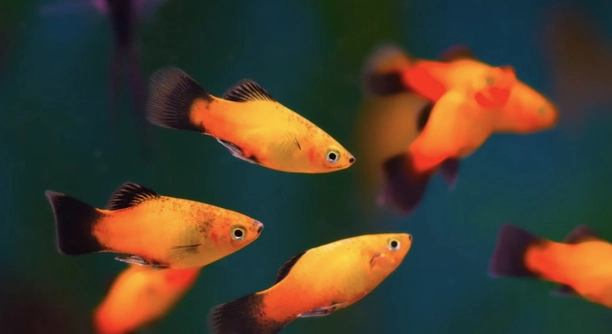
Many fish owners enjoy keeping platies in their tanks because these colorful fish are lively and easy to care for. Observing platies swim around can be relaxing, but sometimes their behavior seems a bit repetitive or dull. This makes people wonder about how platies feel in their environment over time.
Scientific studies suggest that platies, like many fish, can experience states similar to boredom when kept in small or unstimulating tanks. Lack of environmental enrichment may lead to reduced activity and repetitive behaviors, indicating diminished mental engagement in these fish.
Exploring ways to keep platies mentally active can improve their well-being and create a more interesting aquarium experience for both fish and owner.
Understanding Platies’ Behavior in Tanks
Platies are active fish that enjoy exploring their environment. When their tank is small or lacks variety, they often swim in the same patterns or hide for long periods. This behavior can be a sign that they feel unstimulated or bored. Providing plants, decorations, and hiding spots helps keep them interested and engaged. Fish also respond well to gentle changes in their surroundings, like rearranging tank items occasionally. Social interaction is another important factor; platies usually prefer living in groups, which adds to their activity and curiosity. Without these elements, platies might show slower movements or stop exploring, which is a sign of poor mental stimulation. Keeping their tank lively and interesting is important to maintain their health and happiness. Observing their daily behavior can help you notice when something needs to change for the better.
Recognizing boredom in platies early can prevent stress-related health problems and improve their overall well-being.
Adding plants and a varied environment is a simple way to support your platies’ natural behavior and keep their tank stimulating.
How to Enrich a Platy’s Environment
Providing mental and physical stimulation helps platies stay healthy and active.
There are several easy ways to enrich their tank. Start by adding live or artificial plants to create hiding places. Decorations like rocks or tunnels encourage exploration. Introducing new objects or rearranging items weekly keeps things fresh for your fish. Feeding them a varied diet with occasional live or frozen foods also supports their mental alertness. Keep the water clean and well-maintained to promote a healthy environment. Social interaction is important, so keeping platies in small groups helps prevent loneliness. Avoid overcrowding, though, as this can cause stress. You might also observe their reactions to gentle changes, which shows they notice and respond to their environment. These small adjustments can make a big difference in your platies’ quality of life and reduce signs of boredom. Consistency and care will help your fish thrive.
Signs Your Platies May Be Bored
Platies showing boredom often swim in repetitive patterns or spend too much time hiding. They may also lose interest in food or become less active. These signs suggest their tank environment is not engaging enough.
When platies swim back and forth without exploring new areas, it indicates a lack of stimulation. A bored fish might also stay still for long periods or show unusual hiding behavior. Decreased appetite can be another clue that they feel uninterested or stressed. Observing these changes early helps prevent more serious health issues caused by boredom. Addressing the environment by adding plants, decorations, or companions often improves their mood. Watching how your fish behave daily is key to keeping them happy and active.
Fish that appear listless or uninterested may need changes to their habitat. Reacting quickly to these signs helps maintain their overall health.
Feeding and Interaction Tips
Varied feeding keeps platies interested and mentally sharp.
Offering different types of food, including flakes, pellets, and occasional live or frozen treats, can stimulate their natural hunting instincts. Feeding small amounts several times a day rather than one large meal helps keep their energy up and prevents boredom. Interacting with your platies by gently tapping the glass or offering food with tweezers encourages movement and curiosity. Avoid overfeeding, which can cause health problems and reduce activity. Small changes in feeding routines can create a more dynamic environment and prevent monotony.
Keeping feeding interesting and interactive supports your platies’ natural behavior and helps prevent boredom over time.
Tank Size and Its Impact
A small tank can limit a platy’s movement and cause boredom. They need enough space to swim freely and explore.
Larger tanks with plenty of hiding spots and plants create a more stimulating environment that supports natural behaviors and reduces stress.
Importance of Social Groups
Platies are social fish and usually prefer living in groups. Being alone can lead to loneliness and boredom. Keeping at least three platies together helps maintain their activity and mental well-being.
Changing the Tank Layout
Regularly changing the arrangement of plants and decorations helps keep platies interested. Simple adjustments prevent their environment from becoming predictable and dull.
Lighting and Activity
Proper lighting encourages natural activity in platies. Too much or too little light can affect their behavior and mood.
FAQ
Can platies really get bored in their tank?
Yes, platies can show signs similar to boredom when their environment lacks stimulation. If the tank is too small, has little decoration, or no social companions, they may become less active, swim in repetitive patterns, or hide more often. These behaviors suggest they are mentally unstimulated.
How can I tell if my platy is bored or sick?
Boredom usually causes repetitive swimming or hiding without other health symptoms. If your platy shows lethargy, loss of appetite, or physical signs like discoloration or spots, it might be sick. If behavior changes but the fish looks healthy, boredom could be the cause.
What are easy ways to prevent boredom in platies?
Adding plants, decorations, and hiding spots enriches their environment. Keeping platies in small groups also promotes natural social behavior. Feeding a varied diet and occasionally rearranging tank elements helps keep their surroundings interesting.
Is tank size important for platy happiness?
Absolutely. Platies need enough space to swim and explore. A small, crowded tank can limit their movement and lead to stress and boredom. A tank of at least 10 gallons for a small group is recommended.
How often should I change the tank layout?
Changing the layout every few weeks or once a month is enough to keep the environment fresh. Sudden frequent changes can stress fish, so keep adjustments gradual and minimal.
Can platies interact with their owners?
Platies recognize feeding times and may swim to the front of the tank when you approach. Gentle tapping or feeding with tweezers can encourage interaction and keep them mentally engaged.
What kind of foods keep platies interested?
A mix of flakes, pellets, and occasional live or frozen foods like brine shrimp or daphnia provides variety. This not only meets nutritional needs but also stimulates natural foraging behavior.
Can lighting affect my platy’s mood?
Yes, proper lighting supports their natural daily rhythms. Too bright or too dim light can cause stress or inactivity. Using a timer to maintain a consistent day-night cycle helps keep them healthy.
Do platies need companions to avoid boredom?
Platies are social fish that do better in groups. Keeping at least three together encourages natural behaviors and reduces loneliness, which can contribute to boredom.
What if I can’t provide a bigger tank?
If upgrading isn’t possible, focus on enriching the existing tank with plants, hiding spots, and varied feeding. Regularly rearranging decorations can also help keep the fish engaged. Maintaining good water quality is crucial to their well-being.
How long can platies live happily in a tank?
With proper care, platies can live 2 to 3 years or longer. Keeping their environment stimulating and healthy supports a longer, happier life.
Are there toys or objects made specifically for fish?
There aren’t “toys” like for pets, but aquarium-safe decorations, tunnels, and plants serve as enrichment. Items that encourage exploration or hiding are best for mental stimulation.
Can platies get stressed from boredom?
Yes, boredom can lead to stress, which lowers their immune system and makes them prone to illness. Preventing boredom helps keep them healthy and active.
Should I change my feeding schedule to keep platies interested?
Feeding smaller amounts multiple times a day rather than one big meal keeps them active and alert. Changing food types occasionally also prevents feeding boredom.
How can I encourage natural behavior in platies?
Provide a tank setup with plants, hiding places, social companions, and varied foods. Gentle interaction and a stable environment promote their natural curiosity and activity.
Platies are lively fish that can show signs of boredom if their tank environment is not stimulating enough. They need space, variety, and social interaction to stay happy and healthy. Without these elements, platies may swim in repetitive patterns, hide more often, or lose interest in food. These behaviors are signals that their mental needs are not being met. It is important to pay attention to how your platies act and make changes when needed to improve their quality of life.
Creating an engaging environment for platies is not difficult. Adding plants, decorations, and hiding spots gives them places to explore and feel safe. Keeping platies in small groups supports their social nature and encourages activity. Feeding a varied diet and occasionally rearranging tank items keeps things interesting for them. Proper tank size and lighting also play a big role in their well-being. Small adjustments can prevent boredom and reduce stress, which helps platies live longer and healthier lives.
Taking care of platies means more than just maintaining clean water and feeding them regularly. Mental stimulation and comfort are just as important for their overall health. By observing their behavior and providing a well-rounded environment, you can help your platies stay active and engaged. This will make your aquarium more enjoyable to watch and ensure that your fish thrive in their home. A little attention to their needs goes a long way in keeping them happy.

Hello,
If you enjoy the content that we create, please consider saying a "Thank You!" by leaving a tip.
Every little bit helps us continue crafting quality advice that supports the health, happiness, and well-being of pets around the world, for pets of all shapes, sizes, and species.
We really appreciate the kindness and support that you show us!