
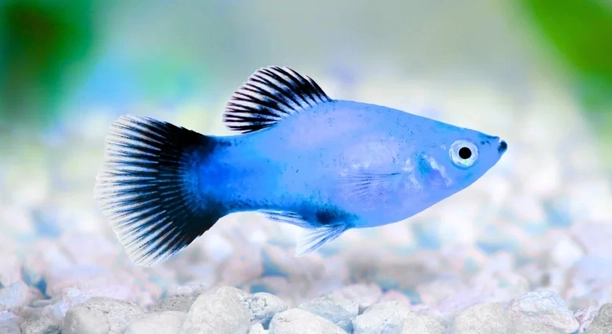
Do you ever find yourself watching your platy swim up to the bubbles and start biting at them like it’s on a mission?
Platys often bite at air bubbles due to curiosity, boredom, or environmental stress. This behavior can also be linked to low oxygen levels, reflective surfaces, or unfamiliar tank conditions that trigger natural investigative or reactive instincts.
Exploring what triggers this behavior can help you create a more comfortable tank environment and improve your platy’s overall well-being.
Common Reasons Platys Bite at Air Bubbles
Platys may start biting at air bubbles for several different reasons. One of the most common is curiosity. These fish are naturally active and often interact with anything new or moving in their environment, including bubbles. Another reason could be low oxygen levels in the water. If the tank isn’t well-aerated or properly maintained, the platy may be reacting to poor water quality. In some cases, stress from overcrowding, sudden tank changes, or poor lighting may also lead to odd behaviors like this. Reflections from bubbles or glass surfaces might confuse them, causing them to react defensively or playfully. Lastly, hunger or feeding habits may lead them to associate bubbles with food, especially if they’re used to floating pellets or flakes. Watching how often and when this behavior happens can help you narrow down the cause more easily.
This behavior is usually harmless, but it may indicate a need to check your tank conditions.
Observing your platy closely and ensuring clean water, balanced feeding, and proper tank setup can often reduce or stop the behavior.
What You Can Do to Help
Try testing your water parameters first to rule out low oxygen or other imbalances. Adjusting the filter or adding a bubbler might help.
If your tank setup seems fine, make sure your platy is not bored. A lack of stimulation may cause odd behaviors. Consider adding plants, decorations, or more swimming space. Introducing live plants can also improve water quality and create a calming environment. Feeding at regular times and in proper amounts helps reduce the chance of your platy mistaking bubbles for food. Also, check for tank mates that might be causing stress. Platys usually do well in peaceful community tanks, so avoiding aggressive species is important. A few behavioral quirks are normal, but when changes in behavior become frequent or intense, it’s a good idea to keep a closer watch. Making small adjustments can often create a healthier space where your platy feels safer and more at ease.
Signs the Behavior Might Be a Problem
If your platy bites at bubbles constantly or shows signs of stress like rapid gill movement or hiding, it could point to a deeper issue. Unusual swimming patterns, lack of appetite, or rubbing against objects may also suggest something is off in the tank.
Check for changes in your platy’s behavior or physical appearance. Faded color, clamped fins, or sudden shyness can signal poor water quality or a health concern. If biting at bubbles is paired with any of these symptoms, the tank may need immediate attention. Use a reliable test kit to check ammonia, nitrite, and nitrate levels. Clean the tank regularly, and make sure filters and heaters are functioning correctly. If everything seems fine but your platy still behaves oddly, consider isolating it briefly to observe whether things improve. This can help determine if the issue is social stress or something more environmental.
Keep in mind that platys often react to subtle changes in their surroundings. Even a recent water change or a shift in temperature might stress them temporarily. If the bubble-biting stops after the environment stabilizes, then it’s likely nothing serious. However, ongoing behaviors combined with visible stress should not be ignored. Sometimes the issue is simple, but other times it may need closer monitoring or expert advice.
When to Seek Help from an Expert
If behavior doesn’t improve despite changes in water quality, diet, and environment, it’s time to reach out for help. Continuous bubble-biting paired with visible signs of illness may require a visit to an aquatic vet or experienced fish keeper.
An expert can examine your platy for infections, parasites, or underlying conditions that may not be easy to spot. They may ask for your water test results, feeding schedule, and tank size. Bringing photos or videos of the behavior can also be helpful. Sometimes, treatment may involve medication or more advanced testing, especially if your fish has internal issues. While most bubble-biting is harmless, prolonged or aggressive behavior could point to discomfort or disease. Seeking help early can make a big difference in your fish’s recovery and prevent further issues in your tank. A few signs may seem small, but noticing them early is one of the best ways to keep your platy healthy.
How to Keep the Tank Stress-Free
Keep water conditions stable by testing weekly and performing regular partial water changes. Avoid sudden changes in temperature, lighting, or tank layout. Consistency helps platys feel safe and reduces odd behaviors like bubble-biting.
Provide enough space and avoid overcrowding. Choose calm tank mates, and offer hiding spots using plants or decorations.
Feeding Habits That May Affect Behavior
Platys may bite at bubbles if they associate surface movement with feeding. Try feeding at set times and use sinking food occasionally to break that habit. Overfeeding can lead to leftover food, which lowers water quality and causes stress. Clean up uneaten food promptly. If your platy seems overly focused on the surface, check if it’s getting enough food during regular feeding. Sometimes, competition from tank mates can cause it to seek food in odd ways. Stick to high-quality food and consider offering a variety like flakes, pellets, and occasional treats. A balanced diet helps prevent obsessive or reactive behaviors related to hunger or nutrient deficiency.
Watch for Repeated Patterns
If your platy returns to bubble-biting even after changes, it may be a behavioral quirk. Still, stay alert in case new symptoms appear.
FAQ
Is it normal for my platy to bite at bubbles occasionally?
Yes, occasional bubble-biting is generally harmless and normal. Platys are curious fish and often react to movement or light reflections in the water. If your fish seems otherwise healthy, eats well, and swims normally, there is usually no reason to worry. However, it’s still important to keep an eye on the behavior. If it becomes more frequent or intense, it might mean something has changed in the tank that needs your attention. A healthy, well-maintained environment helps reduce random behaviors like this and keeps your fish more relaxed overall.
Can poor water quality cause my platy to act strangely?
Yes, poor water quality is one of the most common reasons for unusual fish behavior. High ammonia or nitrite levels can stress your platy and lead to signs like gasping, darting, or biting at bubbles. Always test your water regularly, especially after adding new fish or making changes to the tank. Clean the tank as needed and avoid overfeeding, which leads to waste buildup. Using a good-quality water conditioner and filter can also help maintain a stable environment. When water quality is balanced, platys are less likely to show repetitive or stressed behaviors.
Could my platy be mistaking bubbles for food?
Yes, this is possible. Platys often associate movement at the water’s surface with feeding, especially if you usually sprinkle food there. Over time, they may begin biting at anything that moves or breaks the surface, including air bubbles. To reduce this, feed your platy on a schedule and make sure it’s getting enough to eat during mealtimes. You can also try using sinking food once in a while to help break the habit. Avoid overfeeding, though, as uneaten food can affect water quality and lead to other issues.
Is bubble-biting ever a sign of aggression?
Not usually. Platys are peaceful and social fish, and bubble-biting is not a sign of aggression. However, if your platy is nipping at other fish or showing territorial behavior, that’s a different issue. Bubble-biting is more commonly linked to curiosity or a reaction to changes in the environment. If your platy is also chasing others, flaring fins, or acting dominant, you may need to look at your tank size or group dynamics. In general, platys prefer calm, stable environments and do best in community setups with similar species.
Should I add more decorations if my platy seems restless?
Yes, adding decorations can help. Platys benefit from a stimulating environment that includes plants, rocks, and hiding places. These additions provide security and reduce boredom. A bare tank can make fish feel exposed or stressed, which may lead to unusual behaviors. Live plants also help with oxygen levels and water quality. Just make sure there’s still enough room for your fish to swim comfortably. A balanced setup helps promote natural behaviors and can reduce repetitive actions like biting at bubbles for no clear reason.
Do platys need tank mates to feel comfortable?
Platys are social and tend to do better in small groups. Keeping at least three together helps reduce stress and promotes natural behavior. If kept alone, a platy may become anxious or act out in unusual ways, including bubble-biting. Be careful when choosing tank mates—go for peaceful fish of similar size to avoid conflict. Overcrowding, though, can lead to the opposite problem: stress from competition. The goal is to strike a balance with enough companions and enough space for everyone to thrive.
Can lighting affect my platy’s behavior?
Yes, lighting can influence how your platy behaves. Strong or sudden lighting changes may stress your fish or make it more reactive to reflections and movement, including bubbles. Use a consistent lighting schedule and avoid very bright lights without shade or plants. Too much light can also cause algae growth, which affects water quality. On the other hand, too little light may make the tank feel unsafe for your platy. Try to mimic a natural day and night cycle to help your fish feel secure and calm.
When should I be concerned about bubble-biting?
You should be concerned if the behavior is constant or if it comes with other symptoms like clamped fins, faded color, rapid breathing, or lack of appetite. These signs may point to stress, poor water conditions, or health issues. If adjustments to the tank don’t help, it’s best to consult an aquatic vet or an experienced fish keeper. Early attention often prevents more serious problems. While bubble-biting on its own isn’t always a sign of trouble, the bigger picture matters most when deciding if action is needed.
Final Thoughts
Watching your platy bite at air bubbles might seem strange at first, but it’s usually not a serious issue. Platys are curious fish that often explore their surroundings in different ways. Biting at bubbles can simply be a response to movement, light, or something they’re used to seeing near feeding time. In many cases, this behavior is harmless and will come and go on its own. Still, paying attention to it can give you useful clues about your tank’s conditions and your fish’s well-being. Small behaviors can often reveal larger patterns if you take the time to observe them.
Keeping a close eye on water quality, feeding habits, and overall tank setup is the best way to avoid problems. If your platy seems stressed, tired, or shows changes in behavior, it’s always worth checking your tank’s basic conditions first. A well-maintained tank with good filtration, stable temperature, and peaceful tank mates helps reduce stress-related actions like bubble-biting. Adding plants, hiding spots, and swimming space also gives your platy more options for activity and comfort. The more balanced the environment, the less likely your fish is to develop odd or repetitive behaviors. It’s also helpful to feed on a schedule and avoid overfeeding, since leftover food can affect water quality and increase stress.
While most cases of bubble-biting are not serious, you should stay alert to any other signs that may suggest something is wrong. If your platy keeps biting bubbles along with showing signs like clamped fins, faded color, or erratic swimming, don’t ignore it. These symptoms might mean the tank needs cleaning or that your fish is unwell. If you’ve made small changes and nothing improves, reaching out to an expert is a good next step. In general, observing your fish regularly helps catch problems early. A calm, healthy platy will show steady swimming, bright coloring, and normal interaction with other fish. By taking the time to understand small behaviors like bubble-biting, you’ll be better prepared to care for your platy and give it the best possible environment. Consistent care and attention really do go a long way.

Hello,
If you enjoy the content that we create, please consider saying a "Thank You!" by leaving a tip.
Every little bit helps us continue crafting quality advice that supports the health, happiness, and well-being of pets around the world, for pets of all shapes, sizes, and species.
We really appreciate the kindness and support that you show us!