
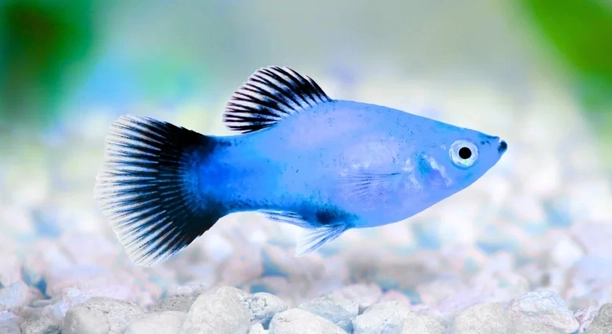
Are your platies showing signs of stress or illness without a clear cause? Maintaining good water quality is essential for their health and happiness. Poor water conditions can lead to serious problems for these delicate fish.
Bad water quality in platy tanks is often indicated by cloudy water, foul odors, excessive algae growth, sudden fish behavior changes, fin damage, unusual spots on their bodies, and increased fish mortality. These signs reflect imbalances in ammonia, nitrite, nitrate, or other harmful substances.
Recognizing these warning signs early can help you protect your platies and keep their environment safe and comfortable. Taking steps to improve water quality will benefit your fish’s overall well-being.
Cloudy or Discolored Water
Cloudy water is often the first sign that something is off in your platy tank. It can appear milky, greenish, or brownish, depending on the cause. This usually happens when there is a bacterial bloom or excess waste in the tank. Uneaten food, fish waste, and decaying plants release ammonia, which feeds bacteria and algae. Without proper filtration or water changes, these microorganisms multiply quickly, making the water look murky. Cloudy water reduces oxygen levels, which can stress your platies and weaken their immune system. It’s important to check your tank’s filtration system and test the water regularly. Keeping up with partial water changes helps maintain clarity and healthy water conditions. Avoid overfeeding and remove any dead plant matter promptly. A clean tank supports your platies’ health and keeps the water safe for them to swim in.
Cloudy water is a clear sign that your tank needs attention. Addressing it early prevents further health problems for your fish.
Regular water testing and maintenance routines will keep your platies swimming happily in clear, clean water.
Foul Odors and Algae Growth
A strong, unpleasant smell coming from your tank signals poor water quality. This odor usually comes from excess organic waste breaking down in the water. If left unchecked, harmful bacteria and toxins build up and make the environment unsafe for your platies. Algae growth often goes hand in hand with this issue. While some algae are normal, excessive green or brown algae can cover tank surfaces, plants, and decorations. This overgrowth is caused by too many nutrients in the water, like nitrates and phosphates, often from overfeeding or infrequent water changes. Algae blocks light and reduces oxygen levels, further stressing your fish. To control algae, reduce feeding amounts, increase water changes, and consider adding live plants to compete for nutrients. Regular cleaning of the tank glass and decorations helps prevent algae from taking over.
Both odors and algae signal that water conditions need improvement. Fixing these keeps your platies healthier and their tank more enjoyable to watch.
Sudden Behavior Changes
Sudden changes in your platies’ behavior can mean their water quality is poor. They may hide more, swim erratically, or stop eating.
When platies are stressed by bad water, their natural behavior shifts quickly. They might become lethargic, swim near the surface gasping for air, or isolate themselves. These changes show they are struggling with low oxygen, high ammonia, or toxins. Stress weakens their immune system and makes them more prone to disease. Keeping an eye on behavior helps catch water issues before they get worse. Regular water testing and cleaning reduce these risks.
Behavior changes often come before visible signs of illness. Watching your fish closely helps you catch problems early and act fast to improve their tank environment.
Fin Damage or Torn Fins
Fin damage or torn fins often point to poor water conditions or infections that thrive in bad water. Your platies’ fins should look smooth and whole, not ragged or frayed.
Damaged fins can result from ammonia burns or bacterial infections caused by dirty water. High ammonia levels irritate skin and fins, making them vulnerable to tearing. Stress from poor water quality also lowers fish defenses, increasing infection risk. Aggressive tank mates can cause damage too, but if your fish are peaceful, water quality is likely the main factor. Keeping water clean, stable, and free of toxins helps fins heal and stay healthy. Regular water changes and proper filtration are key. If you notice fin damage, test water parameters immediately and act to improve conditions to prevent worsening damage.
Unusual Spots on the Body
Unusual spots on your platies can indicate water quality problems or infections. These spots might be white, red, or black and often appear suddenly.
Spots can be signs of parasites, fungal infections, or ammonia burns. Poor water quality weakens your fish’s defenses, making infections more likely. Keeping water clean and stable helps prevent these issues and supports healing if spots appear.
Increased Fish Mortality
A rise in fish deaths usually points to toxic water conditions. It’s important to act quickly when mortality increases.
Testing water parameters like ammonia, nitrite, and nitrate levels helps identify the problem. Removing dead fish and performing immediate water changes can save the rest of your platies.
Poor Growth and Development
Poor water quality can stunt your platies’ growth and affect their overall development. Fish in unhealthy water often appear smaller and less vibrant.
Maintaining clean, balanced water ensures that your platies grow well and stay healthy. Regular care and testing support their long-term well-being.
FAQ
What causes poor water quality in platy tanks?
Poor water quality usually happens because of overfeeding, infrequent water changes, or inadequate filtration. Uneaten food and fish waste build up ammonia and other toxins, which harm the fish. Not cleaning the tank regularly allows harmful bacteria and algae to grow, making the water unsafe for platies.
How often should I change the water in my platy tank?
A good rule is to change about 20-30% of the water every week. This helps remove waste and keeps toxins low. More frequent changes may be needed if the tank is crowded or if you notice signs of poor water quality, like cloudy water or bad smells.
Can I use tap water for my platy tank?
You can use tap water, but it must be treated first. Tap water often contains chlorine or chloramine, which are harmful to fish. Use a water conditioner to remove these chemicals before adding the water to the tank.
What are safe levels for ammonia, nitrites, and nitrates?
Ammonia and nitrites should always be at zero because they are very toxic to fish. Nitrate is less harmful but should stay below 20-40 ppm to keep fish healthy. Testing kits can help you monitor these levels easily.
Why is my platy’s behavior suddenly different?
Behavior changes often signal stress from poor water conditions. Low oxygen, toxins, or sudden temperature shifts make platies swim erratically, hide, or stop eating. Checking water quality and fixing any problems usually helps return their behavior to normal.
How can I prevent algae overgrowth?
Limit feeding to avoid extra nutrients, do regular water changes, and keep the tank clean. Adding live plants can also help because they compete with algae for nutrients. Controlling light exposure by not leaving the tank light on too long reduces algae growth.
Is it normal for platies to hide a lot?
Platies sometimes hide when they feel stressed or unsafe. Poor water quality, aggressive tank mates, or sudden changes in the tank can cause this. Making sure the water is clean and stable helps platies feel comfortable and more active.
What should I do if my platy has torn fins?
Test the water immediately for ammonia and nitrites, then perform a partial water change. Torn fins often heal when water quality improves. Avoid aggressive fish that may be nipping fins, and keep the tank clean to prevent infections.
Can overfeeding harm my platies?
Yes, overfeeding creates leftover food that decays and pollutes the water. This leads to high ammonia and nitrate levels, causing stress and illness. Feed small amounts your platies can eat in a few minutes and remove uneaten food promptly.
How do I know if my tank filter is working properly?
A working filter should keep the water clear and provide good water flow. If the water smells bad, is cloudy, or the filter looks clogged, clean or replace the filter media. Regular maintenance keeps your filtration effective and your fish healthy.
What’s the best way to test water quality?
Use a reliable aquarium test kit to measure ammonia, nitrites, nitrates, and pH levels. Test the water weekly or whenever you notice signs of trouble. Keeping track of these values helps you catch problems early and maintain a safe environment.
Can poor water quality cause diseases in platies?
Yes, poor water quality weakens fish immune systems, making them vulnerable to infections like fin rot, ich, and fungal diseases. Keeping water clean and stable is the best way to prevent illness and keep your platies healthy.
How do I safely clean my platy tank?
Use a siphon to remove debris from the gravel and do partial water changes. Clean algae off glass and decorations gently with a soft brush. Avoid using soap or chemicals, which can harm your fish. Regular cleaning keeps the tank safe and attractive.
Why does my tank water smell bad sometimes?
A foul smell usually means waste is building up or the filter is dirty. Dead fish, uneaten food, or decaying plants can cause odors too. Regular water changes and cleaning the filter remove the source of the smell and keep the tank fresh.
How important is water temperature for platies?
Platies prefer water between 70-78°F (21-26°C). Sudden temperature changes or water outside this range stress them and affect their health. Use a reliable heater and thermometer to keep the temperature stable.
What role does pH play in water quality?
Platies thrive in a pH range of 6.8 to 8.0. Water outside this range can cause stress and illness. Regularly test the pH and use safe products if you need to adjust it slowly over time.
This FAQ covers many common concerns about platy water quality. Keeping your tank clean and monitoring conditions regularly will help your fish live a healthy, happy life.
Maintaining good water quality is one of the most important things you can do for your platies. Clear, clean water helps them stay healthy, active, and colorful. Poor water conditions can quickly cause stress and illness, making it harder for your fish to thrive. Paying attention to signs like cloudy water, strange behavior, or torn fins can help you catch problems early. Regular water testing and cleaning are simple steps that protect your fish and keep their tank safe.
It’s easy to overlook how much the water environment affects your platies. Even small changes in ammonia or nitrate levels can have a big impact. That’s why setting a routine for water changes and tank maintenance is so valuable. Feeding your fish the right amount and avoiding overfeeding also plays a key role in keeping the water balanced. By managing these basic care habits, you create a stable home where your platies can grow and live comfortably.
Remember, your platies rely on you to provide a clean, healthy environment. Watching for warning signs and acting quickly when something seems wrong can prevent many common problems. Taking care of water quality doesn’t have to be complicated or time-consuming. With a little attention and regular upkeep, your platy tank can stay clear and inviting. This helps your fish live longer and enjoy their home, making the effort well worth it.

Hello,
If you enjoy the content that we create, please consider saying a "Thank You!" by leaving a tip.
Every little bit helps us continue crafting quality advice that supports the health, happiness, and well-being of pets around the world, for pets of all shapes, sizes, and species.
We really appreciate the kindness and support that you show us!