
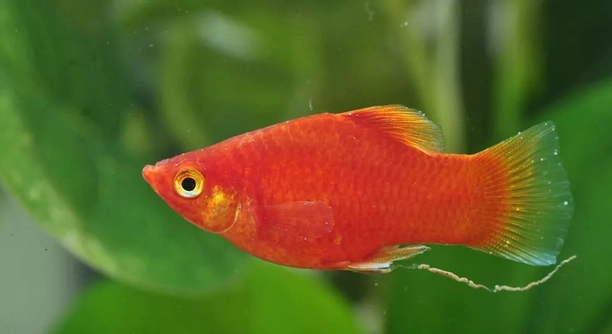
Do you ever find yourself staring at your platy fish tank and wondering if something might be missing for their enjoyment?
Platies can become bored without tank decorations, as a lack of visual variety and enrichment may reduce their natural behaviors and activity levels. Providing hiding spots, plants, and ornaments helps support their mental stimulation and overall well-being.
Exploring how tank setup influences behavior can help you create a more engaging environment for your platies to stay active and content.
Why Decorations Matter in a Platy Tank
Decorations play an important role in the health and behavior of platy fish. In a plain tank, platies may become less active and more stressed. These fish are naturally curious and enjoy exploring their surroundings. Without decorations, they miss out on the stimulation that helps them stay engaged. Plants, rocks, and small structures offer hiding places, which help reduce anxiety and support healthy social behavior. Decorations can also provide boundaries and reduce aggressive encounters between fish. Creating a more dynamic space allows platies to swim, rest, and play comfortably. This keeps them active and encourages natural behaviors like foraging or exploring. Even simple additions like live plants or floating objects can change the way they interact with their environment. It’s not about filling the tank with random items, but about giving your platies enough visual interest and shelter to keep them calm and entertained in their habitat.
Platies are more likely to display bright colors and active swimming patterns in a well-decorated tank.
Choosing the right items depends on your tank size and the number of fish you keep. Avoid overcrowding the space but include enough elements to break up lines of sight. Floating plants, tunnels, or smooth ornaments work well.
Signs Your Platies May Be Bored
A lack of movement, dull coloration, and frequent hiding may suggest boredom in platy fish. They tend to thrive when they feel safe and mentally stimulated, which decorations help provide.
Platies without stimulation often become inactive or spend time at the bottom of the tank. They might ignore food or avoid interaction with other fish. These signs may also hint at poor tank conditions, so it’s helpful to observe closely. If water quality is fine and your platies still appear sluggish, try rearranging or adding decorations. Introducing new features can quickly bring a change in behavior. Look for brighter colors, increased swimming, and more social interaction as signs of improvement. Keep in mind that variety matters—rotate or adjust decorations regularly to maintain interest. This doesn’t need to be a major change each time. Even moving a plant or adding a new stone can make a difference. Your goal is to create a safe, active, and comfortable space for your fish without overwhelming them.
Types of Decorations That Help
Adding live plants offers both beauty and function. They give your platies places to hide and explore while improving water quality. Floating plants can create shaded areas, which help reduce stress and mimic a natural environment.
Use smooth rocks, driftwood, and ceramic caves to create different levels and hiding spots. Avoid sharp decorations that could injure your fish. Spacing out these items helps platies feel secure while giving them room to swim freely. Decorations should break the line of sight to reduce aggression and make the tank more engaging. Try placing items near the corners or edges to create paths your fish can move through. Change the arrangement occasionally to keep the environment fresh and interesting. Even artificial plants work well if cleaned regularly. Choose items that blend well with the tank’s theme while keeping your platies’ safety and activity in mind.
Tunnels, breeding boxes, and floating logs can be fun additions. These encourage movement and create temporary shelter, which platies appreciate. Use different sizes to suit various fish in the tank. Brightly colored ornaments may catch their attention, but avoid anything with peeling paint or sharp edges. Stick to aquarium-safe materials only.
Tips for Keeping Platies Engaged
Try rearranging decorations during water changes. A new setup can instantly refresh your platies’ interest. Switching locations of plants, caves, or rocks gives them something new to explore without adding clutter to the tank.
Avoid overcrowding. Too many items can limit swimming space and cause stress. Keep a balanced setup with open areas and tucked-away spots for resting or hiding. Observe how your platies react to different arrangements. If they begin swimming more actively or interacting more often, you’ve likely made a good change. Introducing a few new elements slowly over time is more effective than making large changes all at once. Also, consider placing decorations that allow light to pass through or cast gentle shadows—this makes the environment more visually stimulating. Active fish are often healthier, so promoting movement with well-placed items is a smart way to support their well-being.
Mistakes to Avoid When Decorating
Using too many decorations can make the tank feel crowded and stressful. Platies need open space to swim freely. A cramped layout may limit their movement and cause hiding or aggression.
Avoid unsafe materials like painted ornaments or rough surfaces. These can harm your platies or pollute the water over time.
How Often to Change Things Up
Rearranging the tank every few weeks can keep your platies stimulated. You don’t need to buy new decorations each time. Simply moving items to new spots or rotating in a few different pieces works well. Watch how your fish respond—if they explore more or swim differently, your changes are working. Avoid making big changes too often, though, as that can cause stress. Keep the layout familiar but fresh. Try changing one or two items at a time instead of the whole tank. This keeps their interest without overwhelming them or disrupting their sense of safety.
Keep an Eye on Behavior
If your platies seem active, eat well, and interact with their surroundings, your setup is working. Behavior is the best clue to knowing they feel comfortable and engaged.
FAQ
Do platies really get bored without decorations?
Yes, platies can become bored in a bare tank. They are active, curious fish that rely on their environment for stimulation. Without hiding spots, visual interest, or areas to explore, they may become less active and more stressed. Over time, boredom can affect their overall health and behavior. A tank that lacks decorations can also feel unsafe for them, especially if they don’t have a place to retreat. While they may survive in a simple setup, they won’t thrive or display natural behaviors. Adding even a few basic decorations makes a noticeable difference in their well-being.
What types of decorations are best for platies?
Live or artificial plants, smooth rocks, driftwood, and aquarium-safe caves are great options. Platies benefit from decorations that provide shelter, visual breaks, and varied swimming paths. Choose items that are smooth and non-toxic. Floating plants also help by creating shaded areas that reduce stress. Avoid overcrowding the tank—leave space for swimming. Decorations should enhance their environment, not limit their movement. Variety is key, but it’s okay to keep things simple. It’s better to use a few well-placed decorations than fill the tank with too many items.
Can I use toys or moving ornaments in a platy tank?
Some gentle, water-safe moving decorations like bubbling treasure chests or spinning wheels can be used if your platies react positively. However, avoid anything loud or fast-moving. Platies prefer a calm environment. Overstimulating the tank can lead to stress or hiding. If you want to add some motion, bubbling stones or small waterfalls are better choices. Always monitor your fish after adding new features. If they seem skittish or avoid the area, remove or adjust the item.
How do I know if my platies like the decorations?
Watch how they interact with the space. If they swim through openings, explore behind items, or rest among plants, the decorations are working. Increased activity, bright coloration, and peaceful behavior are all good signs. If they avoid certain areas or stay near the surface or corners, the layout might need adjusting. Try changing the placement or removing anything they seem to dislike. Observation helps you fine-tune the setup to meet their needs.
Do decorations affect platy social behavior?
Yes, decorations can help manage social interactions. Platies are peaceful, but they sometimes chase or compete for space. Adding plants or caves gives them a place to escape or rest. This reduces stress and helps maintain balance in the tank. When fish feel safe, they are more likely to behave naturally and less likely to show aggression. A well-decorated tank supports harmony, especially in community setups.
How often should I clean or replace tank decorations?
Clean decorations once a month or as needed. Use warm water and a soft brush—avoid soap or chemicals. If items look worn, chipped, or have algae that won’t come off, replace them with new ones. Rotate decorations occasionally to create variety. Just make sure everything you use is aquarium-safe.
Do all platies like the same decorations?
Not always. Some platies prefer open space, while others like to hide more often. Watching your fish helps you learn what works best. Over time, you’ll see patterns in how they use the space. Adjust the layout to match their habits. What works for one tank might not suit another. Keep it flexible and simple.
Final Thoughts
Keeping your platies happy goes beyond just feeding them and cleaning the tank. Their surroundings play a big part in how they behave and feel. A tank with no decorations can make them feel exposed, bored, and less active. Decorations provide shelter, reduce stress, and encourage healthy movement. Even a small plant or cave can give them a sense of safety and something interesting to explore. These small changes make a noticeable difference in their daily activity and comfort. When you take the time to create a space that feels natural, your platies respond in positive ways.
It doesn’t take much to create a more engaging tank. A few well-placed decorations, smooth rocks, and soft plants can do the trick. Rearranging items from time to time helps keep their environment interesting without overwhelming them. Watching your fish after you make changes helps you know what they like. When platies are swimming more, showing their bright colors, and interacting with their tank mates, it usually means they’re content. This type of setup also helps reduce unwanted behaviors like hiding all the time or staying still near the surface. These signs often point to stress or boredom, both of which are easy to avoid with the right tank layout.
Creating a comfortable space for your platies is about balance. You don’t need to buy expensive items or fill the tank with decorations. Focus on adding a few safe, functional pieces that offer shelter and variety. Keep an open swimming area, avoid overcrowding, and make changes gradually. Regularly checking how your fish behave gives you clues about what’s working. In the end, a well-decorated tank not only looks nicer but also supports your platies’ health and behavior. A thoughtful setup helps them feel secure, more playful, and more connected to their environment. Simple changes can go a long way in improving their daily life.

Hello,
If you enjoy the content that we create, please consider saying a "Thank You!" by leaving a tip.
Every little bit helps us continue crafting quality advice that supports the health, happiness, and well-being of pets around the world, for pets of all shapes, sizes, and species.
We really appreciate the kindness and support that you show us!