
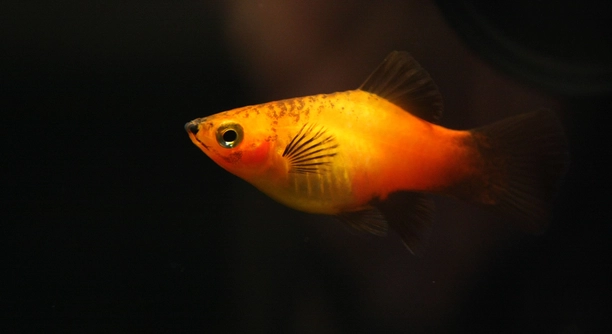
Do you ever wonder how platies behave when kept in an aquarium? These small, colorful fish are popular pets and bring life to many tanks. Understanding their social habits helps create a better environment for them.
Platies generally prefer living in groups rather than alone. They are social fish that feel more comfortable and display natural behaviors when kept with others of their kind. Isolation can cause stress and reduce their overall well-being.
Knowing how platies interact with each other will help you care for them properly and keep your aquarium balanced and healthy.
Platies’ Social Nature and Behavior
Platies are naturally social fish that thrive in groups. In the wild, they live in small schools, which helps them feel safe and confident. When kept alone in an aquarium, platies can become shy or stressed, which affects their health. Group living encourages natural behaviors like swimming actively, exploring, and displaying their bright colors. Having company helps reduce aggression and keeps them from becoming bored. Observing platies in groups is rewarding because they interact peacefully and show more lively movements. The right group size usually means at least three to five platies together. Mixing males and females can lead to breeding but also keeps the group dynamic. When setting up a tank, providing plants and hiding spots also helps create a comfortable environment for social interaction. Overall, platies enjoy company, and their well-being depends on having companions nearby.
Platies need to be in groups to stay active and healthy.
Keeping a group of platies means they show happier, more natural behavior. Without others around, they might hide or swim less. A social setting also helps reduce stress and allows the fish to feel secure in their space. It is important to keep a balanced number of males and females to avoid too much chasing or fighting. In addition, the tank size should allow enough room for all the fish to swim freely and avoid overcrowding. The right environment ensures platies remain vibrant and healthy over time.
Signs Platies Need Alone Time
Although platies are social, they sometimes show signs that they need space from others. When one fish appears overly chased or hiding for long periods, it could be a sign of stress from too much company. Some males, especially, may become aggressive during breeding seasons and need a break. If platies constantly nip at each other’s fins or swim away quickly, it might be time to adjust the group size or separate certain individuals. Offering plants or decorations creates safe spaces where fish can retreat. Keeping an eye on behavior helps prevent injuries and ensures a peaceful tank environment. Recognizing these signs early helps maintain a healthy balance between social time and alone time for your platies.
Giving platies a chance to rest alone can improve their well-being.
When platies need alone time, providing quiet spots in the tank is helpful. It allows them to recover from stress and feel safe. Some platies prefer spending time alone occasionally, especially if the tank is crowded or aggressive behavior occurs. This break supports their health and reduces tension in the group. Balancing social interaction with personal space is key to keeping all your platies comfortable and happy.
Ideal Group Size for Platies
A group of five platies is usually ideal. This number keeps them social without overcrowding the tank. Smaller groups might cause stress, while larger groups need more space and filtration.
Keeping about five platies in a 20-gallon tank allows them to swim freely and interact naturally. This size promotes a peaceful environment where they can establish a social hierarchy without much conflict. More fish may cause overcrowding and increase waste, making tank maintenance harder. It’s important to balance the number of males and females to avoid excessive chasing, which can stress the fish. Proper group size also helps prevent aggressive behavior and encourages healthy growth.
Maintaining a moderate group size supports the natural behaviors of platies. It also makes caring for them simpler. When there are enough fish to form a community, platies are more active and display better colors. This improves both their health and the tank’s appearance.
Tank Setup for Social Platies
Providing enough hiding places is crucial. Plants, caves, and decorations create spaces for platies to retreat when needed. This reduces stress and aggression.
A well-decorated tank with live or artificial plants offers shelter and breaks up sightlines. This helps reduce competition and gives shy platies a chance to rest. Plants also improve water quality by absorbing nitrates. Open swimming areas are important too, as platies are active swimmers who enjoy exploring. Including a mix of hiding spots and open space creates a balanced environment. Proper tank setup supports social behavior while preventing territorial fights. Regular cleaning and good filtration keep the water safe and comfortable for all fish.
Signs of Stress in Platies
Platies that are stressed may hide frequently or lose their bright colors. They might swim erratically or show less interest in food.
Stress often comes from poor water quality, overcrowding, or aggressive tank mates. Watching for these signs helps prevent health problems early.
How to Reduce Stress in Your Platies
Maintaining clean water and stable temperatures is key to lowering stress. Regular water changes and proper filtration keep the tank environment healthy. Reducing overcrowding and adding hiding spots also help platies feel safe. Avoid placing aggressive fish with platies to minimize tension. Keeping a calm and stable tank helps platies stay active and vibrant.
Feeding Habits of Platies
Platies are not picky eaters and enjoy a mix of flakes, pellets, and live foods like brine shrimp.
Common Health Issues in Platies
Watch for white spots, fin damage, or lethargy as signs of illness. Early treatment improves recovery chances.
FAQ
Do platies need to be kept in groups?
Yes, platies are social fish that do best when kept in groups of at least three to five. They feel safer and behave more naturally when they have companions. Being alone can cause stress, which affects their health and activity.
Can platies live with other fish?
Platies are generally peaceful and can live with other community fish like tetras, guppies, and mollies. Avoid aggressive or very large fish that might bully or eat them. Always monitor tank mates to ensure harmony.
How many platies should be kept in a 20-gallon tank?
A 20-gallon tank can comfortably hold around five to seven platies. This allows them enough space to swim and reduces the risk of overcrowding. Proper filtration and regular water changes are important with this number.
What kind of plants are best for platies?
Platies enjoy both live and artificial plants that provide hiding spots. Popular live plants include Java fern, Anubias, and hornwort. These plants also help improve water quality and create a natural environment.
Do platies need hiding places?
Yes, hiding places reduce stress and give shy fish a safe retreat. Decorations, caves, and plants all work well. Having these spots helps prevent fights and lets platies rest when they want to be alone.
How often should I feed my platies?
Feed platies small amounts twice a day. They eat flakes, pellets, and occasional live or frozen foods like brine shrimp or bloodworms. Avoid overfeeding, as leftover food can pollute the tank.
What are common signs of illness in platies?
Look for white spots, torn fins, clamped fins, lethargy, or loss of appetite. These signs may indicate infections or parasites. Early treatment with appropriate medication improves recovery chances.
Can platies breed in a community tank?
Yes, platies breed easily and often in community tanks. Males chase females, and females give birth to live young. If you want to control breeding, consider keeping only males or only females or separating pregnant females.
Is it necessary to separate aggressive platies?
If you notice constant chasing or fin-nipping, separating aggressive fish is a good idea. Overcrowding or too many males can increase aggression. Providing enough space and hiding places can also reduce fights.
What water conditions do platies prefer?
Platies do well in water with a temperature between 70-78°F (21-26°C) and a pH around 7.0 to 8.2. Stable water conditions with low ammonia and nitrite levels are important. Regular water testing helps keep conditions safe.
How long do platies usually live?
With proper care, platies live around 2 to 3 years. Good water quality, a balanced diet, and a stress-free environment all contribute to their lifespan.
Can platies live alone if necessary?
While platies prefer company, they can survive alone but may become less active and show signs of stress. Providing extra enrichment and monitoring closely can help a lone platy adjust.
Do platies recognize their owners?
Platies don’t recognize owners the way some pets do but may learn to associate feeding times with you. They can show excitement when food is offered but mainly focus on their tank environment.
How do I prevent platies from getting stressed?
Keep water clean, maintain stable temperatures, avoid overcrowding, provide hiding spots, and choose peaceful tank mates. Regular tank maintenance and observing fish behavior help keep stress low.
Are platies good beginner fish?
Yes, platies are hardy and easy to care for, making them excellent choices for beginners. Their peaceful nature and adaptability to various tank conditions are ideal for new fish keepers.
Platies are small, colorful fish that enjoy living with others of their kind. They feel safer and more comfortable when they have companions around. Keeping platies in groups helps them stay active, healthy, and show their natural behaviors. When platies are alone, they can become stressed, shy, or less active, which can affect their overall well-being. A group of about five platies usually works well for a typical aquarium, giving them enough company without causing overcrowding. Providing enough space and hiding places also helps them feel secure and reduces any chance of aggression.
It is important to watch your platies carefully to understand their needs. Sometimes, a fish might need alone time if it shows signs of stress or is being chased too much by others. Adding plants, decorations, or caves to the tank gives platies spots to retreat and relax. Keeping the water clean and stable with the right temperature and pH also plays a big role in their comfort. A well-maintained tank with a balanced group of platies creates a healthy environment where they can thrive. Feeding them a mix of flakes, pellets, and occasional live food helps keep them strong and colorful.
By paying attention to their behavior and tank conditions, you can create a peaceful home for your platies. Social fish like platies benefit from companionship but also need space to rest when necessary. Keeping a moderate group size, providing plenty of hiding places, and maintaining clean water all contribute to their happiness. When platies are healthy and comfortable, they brighten up the aquarium with their lively swimming and bright colors. Taking the time to meet their social and environmental needs helps ensure your platies live long, happy lives.

Hello,
If you enjoy the content that we create, please consider saying a "Thank You!" by leaving a tip.
Every little bit helps us continue crafting quality advice that supports the health, happiness, and well-being of pets around the world, for pets of all shapes, sizes, and species.
We really appreciate the kindness and support that you show us!