
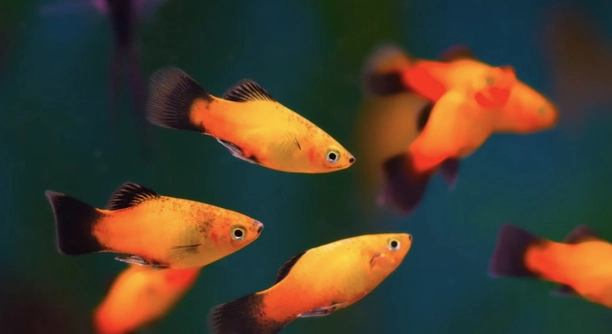
Are your platies always hiding, making it hard to enjoy their playful personalities in your aquarium? Some fish need a little extra help to feel comfortable and safe in their environment. Small changes can make a big difference.
Shy platies usually keep to themselves due to stress, unfamiliar surroundings, or a lack of proper tank conditions. Providing the right environment, consistent care, and calm tank mates encourages them to feel secure enough to come out more often.
Learning what helps your platies feel safe can lead to a more active and engaging tank. Simple adjustments may bring out their true colors.
Add More Hiding Spots
Platies often feel uneasy in open tanks. Adding more hiding spots gives them a sense of safety. Decorations like caves, driftwood, and live or silk plants can create shaded corners where they can retreat. When fish know they can hide, they’re more likely to explore because they feel less exposed. Use different textures and shapes to build variety—this also keeps the tank visually interesting. Avoid overcrowding, but make sure there are several sheltered areas throughout the tank. Balance is key. Hiding spots help reduce stress and let shy platies come out more often, especially when they know they can quickly return to cover. New fish especially benefit from extra cover while adjusting to their environment. Fish that feel safe tend to be more active and display healthier behaviors.
Platies use cover to assess their surroundings. A well-decorated tank can help them build confidence and make them more visible over time.
It doesn’t take much to change how a fish behaves. Just a few caves or plant clusters can completely shift their comfort level. Make sure to place hiding spots in both brightly lit and dimmer parts of the tank. This gives them options depending on how secure they feel throughout the day.
Keep Tank Mates Peaceful
Aggressive tank mates can scare shy platies into hiding. Choose species that are calm and won’t chase or compete too strongly for food or space.
A peaceful tank gives platies room to show their natural behavior. Some species like tiger barbs or certain types of cichlids are too fast or aggressive for them. Instead, consider calm fish like guppies, mollies, or Corydoras. Avoid overcrowding, which can cause tension even among peaceful species. A good rule is to follow the one-inch-per-gallon guideline, adjusted depending on the species’ activity levels. Monitor new fish for signs of aggression early. If any fish are constantly chasing others, you may need to rehome or move them to a different tank. Provide plenty of feeding stations and visual barriers to reduce competition and help fish stay in their own zones. This helps reduce tension and lowers the chances of stress-related illness. A calm environment leads to more active, social platies.
Keep the Tank Calm and Consistent
Sudden changes in water conditions, lighting, or layout can make shy platies more nervous. A calm, stable environment helps them feel safe and more likely to swim out in the open.
Stick to a regular routine for feedings and water changes. Use a gentle filter with low flow to prevent strong currents. Avoid tapping on the glass or moving tank items around too often. Keep lighting soft and consistent, ideally with a timer to mimic a natural day and night cycle. Loud sounds and bright room lights can startle fish, especially if they come on suddenly. Try to place the tank in a quiet spot where there isn’t constant foot traffic. The more predictable their environment is, the more likely your shy platies are to explore. Stability helps reduce anxiety and encourages healthier, more active behavior.
When things stay the same, platies begin to trust their surroundings. Limit sudden changes like switching food brands, adding too many new fish at once, or changing all the decor at the same time. Make changes slowly and give them time to adjust. Even subtle disruptions can cause them to retreat for days. A peaceful setting with soft lighting, stable water, and minimal noise creates a better space for them to open up naturally.
Feed Them in a Stress-Free Way
Feeding time can feel stressful for shy platies if they have to compete or rush for food. Creating a calm feeding setup can help build their confidence.
Use slow-sinking food that gives shy fish a chance to eat without needing to rush. Spread food across the tank so it’s not all in one spot. Turn off filters for a few minutes during feeding so food doesn’t float away too fast. Avoid feeding when lights are too bright or when there’s too much activity near the tank. Try to stay still and quiet during feeding, especially if your fish are newly added or still settling in. Over time, shy platies begin to associate your presence with food and may swim out more willingly when they feel safe doing so. Feeding calmly and consistently builds trust between you and your fish.
Add a Few More Platies
Platies feel safer in small groups. A lonely fish may stay hidden, while a few tank mates can help them feel more secure.
Try keeping at least three to five platies together. This encourages social behavior and can make even the shyest one come out more often.
Make Sure the Tank Size Is Right
A cramped tank can lead to stress, poor water quality, and lack of swimming space. For platies, a 20-gallon tank is a good starting point for a small group. It gives them space to explore without feeling boxed in. Bigger tanks also hold more stable water conditions, which helps shy fish stay calm. Include plenty of swimming room along with hiding spots, so they can choose how much they want to interact. A proper tank size reduces competition and lets platies settle in comfortably. More space often leads to more activity and natural behavior.
Be Patient and Consistent
Platies open up at their own pace. With gentle care and consistency, even the shy ones will start to come out more.
Why do platies hide so much?
Platies hide mainly because they feel unsafe or stressed. New environments, loud noises, or aggressive tank mates can make them retreat. Lack of hiding spots or sudden changes in water quality also cause them to stay hidden. Shy behavior is often a response to feeling threatened or insecure in their surroundings.
How long does it take for shy platies to open up?
The time varies depending on the fish and environment. Some platies start exploring within a few days if conditions are good, while others may take weeks. Consistency in care, calm tank mates, and a stable environment speed up this process. Patience is important, as forcing interaction can increase stress.
Can adding more hiding spots really help?
Yes, hiding spots give platies a sense of security. When they know they can escape quickly, they feel safer and are more likely to come out and explore. Use plants, caves, and decorations to provide varied cover throughout the tank. Too few hiding spots can keep platies nervous and less active.
Is water quality important for shy platies?
Water quality is very important. Poor water conditions increase stress and weaken fish, making them hide more. Regular water testing and changes keep ammonia, nitrites, and nitrates at safe levels. Stable temperature and pH also help maintain a comfortable environment that encourages natural behavior.
Should I change tank mates if platies are shy?
Yes, aggressive or overly active tank mates can scare platies. If your platies hide a lot, consider switching to calm species that don’t chase or bully them. Peaceful fish reduce stress and encourage platies to come out more often. Avoid overcrowding to minimize competition and tension.
What kind of food helps shy platies feel comfortable?
Slow-sinking flakes or pellets spread over a wide area work best. This allows shy platies to eat without rushing or competing. Live or frozen foods like brine shrimp can also attract them out gently. Feeding in a quiet, calm manner helps platies associate feeding time with safety.
How does lighting affect shy platies?
Bright or sudden lighting can make shy platies hide more. Soft, consistent lighting with a timer simulates natural day and night cycles, reducing stress. Too much direct light can make fish feel exposed, so providing shaded areas helps them choose how much light they want.
Can I interact with shy platies to help them open up?
Gentle, slow movements near the tank can help platies get used to you. Avoid tapping or sudden motions, which cause stress. Feeding them by hand or placing food gently encourages trust. Over time, they may recognize you as a safe presence.
Is tank size really a factor in shyness?
Yes, a cramped tank stresses platies and limits their swimming space. A 20-gallon tank or larger gives them room to explore and hide. More space means less competition and more natural behavior. Bigger tanks also maintain stable water conditions better, which reduces stress.
How often should I clean the tank to help shy platies?
Regular cleaning is key, but avoid doing everything at once. Partial water changes weekly keep water clean without shocking the fish. Cleaning filters and removing debris regularly prevents build-up. Sudden full cleanings or changing too much water at once can cause stress and make platies hide more.
What signs show that platies are starting to feel more comfortable?
When platies swim more openly, explore different areas, and actively feed, they are becoming more confident. They may display brighter colors and interact gently with tank mates. Less hiding and more curiosity are good signs of comfort.
Are there any supplements or additives that can help shy platies?
Some aquarists use stress-reducing additives or conditioners to improve water quality and calm fish. These can help temporarily during changes or after illness. However, the best approach is stable water parameters, good nutrition, and a peaceful environment. Supplements are not a substitute for proper care.
How can I reduce stress when introducing new platies?
Quarantine new fish before adding them to the main tank. Introduce them slowly, giving existing fish time to adjust. Rearrange some decorations beforehand to remove territorial boundaries. Keep lighting low and minimize disturbances for the first few days after introduction. This lowers stress and helps shy platies settle in faster.
What should I avoid doing to shy platies?
Avoid loud noises, sudden movements, overcrowding, and changing water parameters too quickly. Don’t introduce aggressive tank mates or remove hiding spots suddenly. Feeding inconsistently or overfeeding can also cause problems. These actions increase stress and cause platies to hide more.
Can plants really make a difference for shy platies?
Yes, live or silk plants create natural hiding places and break up sight lines. This helps platies feel less exposed and more secure. Plants also improve water quality by absorbing nitrates and adding oxygen. A planted tank supports healthier, calmer fish that are more likely to open up over time.
Helping shy platies feel comfortable takes time and patience. Every fish is different, and some need more space or calm than others to open up. Providing a stable environment with proper hiding spots and peaceful tank mates makes a big difference. Consistent care, including regular feeding and water changes, helps reduce stress. When platies feel safe, they show more of their natural colors and behaviors. This not only makes your aquarium more enjoyable but also supports their health and well-being.
It’s important to watch your platies closely and adjust their environment as needed. Changes like adding plants or rearranging decorations should be done slowly to avoid startling them. Using gentle lighting and a quiet spot for the tank helps shy fish feel less threatened. Avoid sudden movements around the tank, and try to feed your fish calmly to build trust over time. The goal is to create a calm, predictable space where your platies can explore without fear. Even small improvements can lead to big changes in how comfortable your fish feel.
Remember, shy platies won’t change overnight. Their behavior improves gradually when their needs are met, and they feel secure. Being patient and consistent with your care will help them become more active and social. Over time, you will notice them swimming more freely, interacting with other fish, and coming out from their hiding spots. Creating the right conditions gives your platies the chance to thrive and enjoy their home, making your aquarium a more lively and rewarding place to watch.

Hello,
If you enjoy the content that we create, please consider saying a "Thank You!" by leaving a tip.
Every little bit helps us continue crafting quality advice that supports the health, happiness, and well-being of pets around the world, for pets of all shapes, sizes, and species.
We really appreciate the kindness and support that you show us!