
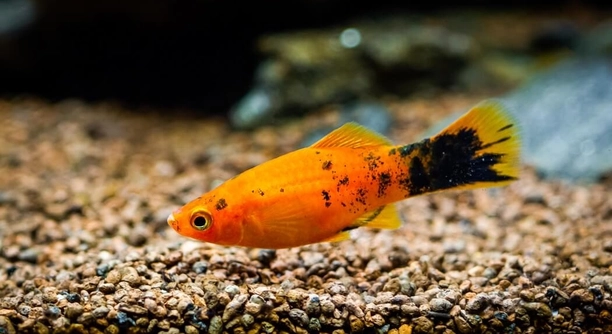
Many aquarium lovers enjoy watching their colorful platies swim around their tanks. These small fish are known for being lively and friendly. Observing their behavior can make keeping fish even more enjoyable.
Platies do not have the ability to sense when someone is watching them. Their behavior is mostly driven by environmental factors and instinct rather than awareness of human presence. Scientific studies show no evidence that platies change actions based on being observed.
Learning more about platies’ natural habits and responses can help you create a better environment for them. Understanding their world makes caring for these fish more rewarding and fun.
How Platies React to Movement
Platies are naturally alert fish that respond quickly to changes in their environment. When something moves near their tank, they may dart away or swim closer to investigate. This behavior helps them stay safe from predators and find food. Even though they don’t sense being watched, they notice sudden movements and shadows. This is why platies often swim nervously if you wave your hand or tap on the glass. Their reaction is based on instinct, not recognition of a person’s gaze. Over time, some platies may get used to regular movement around the tank and appear calmer. Still, their main focus is on survival and comfort. Knowing this helps in creating a peaceful tank where your platies feel secure and stress-free.
Platies react mainly to movement rather than the presence of a watcher. This instinct keeps them alert but not anxious.
Understanding how platies respond to external changes allows for better tank management. Avoiding sudden movements or tapping helps maintain a calm environment. Consistent gentle behavior near the tank can reduce their stress. Also, providing plenty of plants and hiding spots gives platies places to feel safe. These measures improve their well-being and keep them active and healthy. Watching them become more comfortable over time is rewarding and shows how important environment is for these fish.
Visual Awareness in Platies
Platies have good eyesight for detecting motion. Their eyes can pick up quick changes, which triggers immediate reactions. However, they don’t interpret these changes as being watched or studied.
Because of this, platies do not stare back or show signs of recognition when observed. Their vision mainly serves to detect danger and find food, not to connect with humans. This means they are not aware of your gaze but respond to what happens around them visually. Understanding this helps in knowing how to behave around your tank to avoid stressing the fish. It also shows that their reactions are simple and natural, without deeper awareness of human presence.
How Platies Respond to Human Presence
Platies notice movements near their tank but do not recognize humans watching them. Their reactions come from instinct, not awareness of being observed.
When you approach the tank, platies might swim quickly or hide. This behavior is a natural response to potential threats, not a sign they know someone is watching. Over time, some platies become less skittish if they see the same person often. This does not mean they understand you are there; they simply get used to the usual activity and feel safer. Consistent, calm movements help reduce their stress and make the tank environment more peaceful.
Even though platies do not sense your gaze, they can pick up on changes in lighting or movement nearby. Sudden actions can startle them, but regular, gentle presence encourages them to relax. Providing hiding spots allows platies to retreat when feeling uneasy, improving their comfort. The way they respond is based entirely on instinct and habit, not awareness of observation.
Sensory Abilities of Platies
Platies rely mostly on sight and lateral line senses to interact with their environment. Their eyesight detects motion but not detailed images.
The lateral line system helps platies sense water vibrations and nearby movement. This sense is important for detecting predators and navigating their surroundings. It is sensitive enough to pick up subtle changes, but it doesn’t allow platies to know if a person is watching them. Instead, it helps them react quickly to dangers or disturbances in the water. Their sensory systems are tuned to survival needs rather than social interaction with humans. This means their behavior is reactive and based on stimuli, not conscious awareness of observers.
Do Platies Recognize Owners?
Platies do not recognize individual people or owners. Their reactions are based on general movement and changes in their environment, not on familiarity with humans.
They may become less nervous around someone who regularly approaches the tank, but this is due to habit, not recognition.
The Role of Tank Environment
A calm and stable tank environment helps platies feel safe. Sudden changes or loud noises cause stress and unpredictable behavior. Providing plants, hiding spots, and steady lighting supports their comfort. A peaceful setting lets platies act naturally, regardless of who is nearby.
Can Platies Feel Stress from Watching?
Platies can get stressed from sudden movements near their tank but not specifically from being watched. Stress is linked to perceived threats or disturbances, not observation.
Tips to Keep Platies Comfortable
Minimize quick or jerky movements around the tank. Keep noise low and maintain a consistent environment to reduce stress.
Do platies feel scared when someone watches them?
Platies do not have the ability to feel scared because someone is watching. Their nervousness usually comes from sudden movements or changes near their tank. They react instinctively to protect themselves from potential danger. What might seem like fear from being watched is actually a response to motion or loud noises nearby. Over time, platies may get used to regular activity around the tank and become calmer.
Can platies tell the difference between owners and strangers?
Platies cannot tell the difference between people. They react mostly to the presence of movement and environmental changes, not to who is nearby. However, platies might become more comfortable when the same person often approaches their tank because they learn to expect calm behavior from that individual. This does not mean they recognize or identify people but that they respond to familiarity in routine.
Why do platies swim faster when someone approaches?
When a person moves close to the tank, platies may swim quickly as a survival instinct. This sudden movement signals a possible threat to them, so they try to escape or find shelter. Fast swimming is a natural reaction to perceived danger and helps them avoid predators in the wild. This behavior is unrelated to whether they feel watched or not.
Do platies stare back when looked at?
Platies do not stare back with awareness. Their eyes are designed to detect movement and light, not to connect with people visually. Any appearance of them looking at you is coincidental. Their vision helps them detect threats or find food, not to recognize or interact with humans.
Can platies recognize their reflection?
Most fish, including platies, do not recognize themselves in mirrors. They might respond to their reflection as if it is another fish by showing curiosity or defensive behavior. This reaction shows their instinct to interact with other fish rather than awareness of the reflection being themselves.
What senses do platies rely on the most?
Platies depend mainly on sight and their lateral line system. Their eyesight is good at noticing movement, and their lateral line senses water vibrations and nearby motion. These senses help them avoid predators and find food. They do not have the ability to sense human emotions or awareness.
How can I reduce stress for my platies?
Keeping the tank environment stable and quiet is key. Avoid tapping the glass or sudden movements nearby. Provide plants and hiding spots so platies can feel safe. Consistent lighting and regular feeding schedules also help keep them calm. The less sudden change in their surroundings, the less stressed they become.
Is it okay to watch platies for long periods?
Yes, watching platies does not harm them. They do not feel stressed by being observed. In fact, many fish owners find watching platies relaxing and enjoyable. Just avoid quick or loud actions that might startle them, and they will remain comfortable while you enjoy their activity.
Do platies communicate with their eyes?
Platies do not use their eyes to communicate in the way humans do. Their eye movement is mainly for scanning their surroundings. Communication in platies happens through body language and movement rather than eye contact.
Can platies get used to human presence?
Platies can get accustomed to regular, calm human presence. When people approach the tank gently and predictably, platies learn there is no danger. This results in less nervous swimming and more natural behavior. However, this is based on routine, not understanding or awareness.
What should I avoid to keep platies comfortable?
Avoid loud noises, rapid movements, and tapping on the tank glass. Sudden environmental changes cause stress. Keep the water clean and stable in temperature. Providing hiding places also reduces anxiety.
How does lighting affect platies’ behavior?
Bright, sudden changes in lighting can startle platies. Soft, consistent lighting helps them feel secure. Too much light or darkness can cause stress or disrupt their natural activity patterns. A balanced light schedule supports healthy behavior.
Can platies recognize feeding times?
Platies can learn to associate certain cues, like your presence or sound of food, with feeding times. This is a simple conditioned response, not recognition of you personally. They become active and swim eagerly when they expect food, which shows memory but not awareness of human observation.
Do platies react to music or voices?
Platies are not known to respond to music or human voices. They may react to vibrations caused by loud sounds, but they do not understand or recognize sounds as humans do. Low, steady noise is best to avoid disturbing them.
What kind of tank setup helps platies feel safe?
A tank with plenty of plants, hiding spots, and stable water conditions is ideal. This setup reduces stress and encourages natural behaviors. Plants and decorations provide shelter and break lines of sight, making platies feel less exposed to threats.
How often should I interact with my platies?
Regular, gentle interaction helps platies get used to your presence. Approach the tank calmly and avoid sudden moves. There is no need for constant attention; short, consistent visits work best to keep them comfortable without stress.
Platies are small, lively fish that bring life to any aquarium. While it might feel like they know when you are watching them, their behavior is mostly driven by natural instincts. They react to movements, changes in light, and sounds around their tank rather than recognizing or understanding a human presence. This means their quick swimming or hiding is a response to what they see or sense in their environment, not because they feel observed. Knowing this can help you better care for your platies by focusing on creating a calm and stable tank.
Keeping the tank environment peaceful is one of the best ways to ensure your platies feel safe and comfortable. Sudden movements, loud noises, or tapping on the glass can startle them and cause stress. Providing plants, hiding spots, and consistent lighting can help reduce this stress and encourage natural behavior. Over time, platies may become less nervous around regular human activity simply because they learn to expect gentle and calm presence. This does not mean they understand being watched, but they do get used to predictable surroundings.
Ultimately, watching your platies can be a relaxing and enjoyable experience. They offer a lot of charm with their bright colors and active swimming. By understanding that their reactions come from instinct rather than awareness, you can focus on making their home as peaceful as possible. This will help your fish live a healthy, happy life, and allow you to enjoy their natural behavior without worrying about whether they know you are watching. Taking care of the environment they live in is the best way to keep them thriving.

Hello,
If you enjoy the content that we create, please consider saying a "Thank You!" by leaving a tip.
Every little bit helps us continue crafting quality advice that supports the health, happiness, and well-being of pets around the world, for pets of all shapes, sizes, and species.
We really appreciate the kindness and support that you show us!