
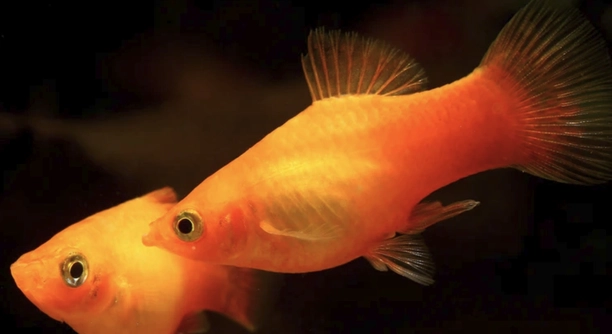
Is your platy acting differently around the bubble stream, choosing to swim away instead of playing in its usual spot?
Platys may suddenly avoid bubbles due to stress, water quality changes, or illness. Strong currents, noise from air stones, or recent tank modifications can disrupt their comfort, causing them to retreat from areas they previously enjoyed.
Small details in your tank setup can influence your fish’s behavior, and learning what triggers these changes is essential for their well-being.
Common Reasons Platys Avoid Bubbles
Platys are sensitive to changes in their environment, especially when it comes to water flow and noise. If your fish has started avoiding the bubble stream, it could be due to an increase in current strength or loud bubbling sounds. Air stones and bubble walls can sometimes produce more force than your platy prefers, especially if the filter output is also strong. They may find it overwhelming or difficult to swim in high-flow areas. Stress from recent changes—such as new tank mates, decorations, or water chemistry shifts—can also cause them to avoid certain areas. Illness or injury may make them less active or more cautious. Parasites, gill issues, or internal infections can affect swimming behavior. Lastly, if your fish is aging or nearing the end of its life, it might naturally prefer calmer spaces. Observing changes closely helps determine what is bothering them and how to respond.
Always check for any recent changes to the tank setup or water quality that may have triggered stress.
Giving your platy space to feel safe and comfortable can improve their behavior over time. Try adjusting the bubble output or adding gentle barriers like plants. Watch how they respond to small changes.
When to Be Concerned
If your platy stays hidden or avoids food, it may be time to consider a health check. Behavior changes alone aren’t always enough to diagnose, but they’re often the first sign of something wrong.
Serious changes in behavior should be met with attention to water parameters first. Test for ammonia, nitrite, nitrate, and pH balance. Even small spikes can cause discomfort or harm. Make sure your heater is working and the temperature is consistent—platys prefer stable warmth. If water conditions look fine, watch for other symptoms. Clamped fins, labored breathing, bloating, or changes in color can point to illness. Internal parasites and bacterial infections can both impact swimming habits. If you see anything unusual, isolate the fish in a hospital tank. Treat based on visible symptoms or consult a professional. Medication should be used carefully, as overuse can stress the fish further. Maintaining regular tank care and observing behavior often helps you catch issues early. Prompt attention makes a big difference in your platy’s recovery.
How Tank Setup Affects Bubble Behavior
Strong water flow from air stones or filters can make certain areas of the tank uncomfortable for platys. If the current is too forceful, your fish may avoid those sections and seek calmer places to swim or rest.
Loud bubbling or vibrations from air stones can stress fish over time. Platys are peaceful and prefer a stable, quiet environment. If your bubble stream is aggressive or noisy, it may be overwhelming. Try lowering the airflow with a valve or placing a sponge over the outlet to soften the bubbles. Adding live plants or decorations can help break up strong currents, creating hiding spaces and calm areas. Rearranging the setup occasionally also prevents your fish from becoming bored or anxious. Monitor how your platy reacts after changes are made. Simple adjustments to the tank setup often bring noticeable improvements in your fish’s comfort and behavior.
Make sure the bubble source isn’t too close to resting areas or food spots. Platys often avoid bubbles when they disturb their eating or sleeping routines. Calm zones help them feel secure. Creating gentle flow areas gives them options and reduces daily stress. Keeping the layout balanced ensures your fish stays active, healthy, and relaxed in their tank.
Minor Issues That Still Matter
Sometimes, small shifts like new lighting or noisy surroundings can throw off your platy’s routine. A nearby speaker or flickering light may not seem like much, but over time it adds to stress. Platys notice subtle things and respond with caution.
Even low-level stress can lead to changed behavior. If your platy avoids the bubble stream but seems otherwise healthy, it may be reacting to something minor. Reflective tank walls, irregular feeding times, or too many fish in the tank can all cause discomfort. Slight crowding makes it harder for them to claim calm zones, and competition can wear them out. Check whether feeding patterns or tank lighting has changed recently. Soft, natural light and a calm environment support steady behavior. Adding floating plants or adjusting your tank’s background can make your fish feel safer. Small fixes add up and can ease your platy back into normal routines without any major interventions.
Small Changes That Make a Difference
Lowering the airflow slightly can reduce stress and make the bubbles more manageable for your platy. Use an adjustable valve or add a sponge to soften the output without removing the bubbles completely.
Adding tall plants near the bubble stream helps block strong currents. It also gives your fish a calm space to hide or rest.
How to Monitor Behavior Over Time
Watching your platy for a few minutes each day can tell you a lot. Notice if it’s swimming normally, eating well, and interacting with other fish. If it stays near the bottom, hides more than usual, or avoids certain areas, that could signal something is wrong. Keep a log of changes you make in the tank—like water adjustments, layout changes, or feeding times. This helps connect behavior shifts to possible causes. If something works, repeat it. If things get worse, backtrack. Slow, steady changes work best. Being patient gives your platy time to adjust and return to its usual habits.
When to Leave Things Alone
If your platy is eating, swimming, and interacting normally but just avoids the bubbles, it may simply prefer calmer spaces.
Why is my platy avoiding the bubbles all of a sudden?
A sudden change in your platy’s behavior around bubbles usually signals stress or discomfort. It may be reacting to stronger water currents, louder bubbling noises, or recent changes in the tank environment. Illness or injury can also make your fish less active and more cautious around high-flow areas.
Can strong bubbles harm my platy?
Strong bubbles create fast-moving currents that can tire out or stress platys. While bubbles themselves aren’t harmful, the force of the water can make swimming difficult. Platys prefer gentle water movement, so reducing airflow or softening bubbles can help keep them comfortable.
How can I make bubbles less stressful for my fish?
You can use an adjustable valve to lower airflow or place a sponge over the air stone to diffuse the bubbles. Adding plants or decorations near the bubbles can break up currents and provide hiding spots. Rearranging tank items also helps create calm zones away from strong flows.
Is avoiding bubbles a sign of illness?
Avoidance alone isn’t always a sign of sickness, but combined with other symptoms it can be. Watch for clamped fins, loss of appetite, labored breathing, or unusual swimming patterns. If you see these signs, test water quality and consider isolating your platy for treatment.
What water parameters should I check if my platy is stressed?
Check ammonia, nitrite, nitrate, and pH levels regularly. Platys thrive in stable water with a pH between 6.8 and 8.0. Ammonia and nitrite should always be zero, while nitrates should stay low. Temperature should be steady around 74–80°F (23–27°C). Any fluctuations can cause discomfort.
Can tank mates cause my platy to avoid bubbles?
Yes. Aggressive or overly active fish can stress platys, making them avoid open or high-flow areas like bubble streams. If tank mates chase or crowd your platy, it may seek calmer, less exposed zones to escape. Monitor interactions and separate aggressive fish if needed.
Will my platy get used to the bubbles again?
With time and gentle adjustments, many platys adapt to bubble streams. Lowering airflow, adding hiding places, and minimizing disturbances help them feel safe. Patience is key; forcing your fish to stay in uncomfortable spots may increase stress instead.
Should I remove the air stone if my platy avoids the bubbles?
Not necessarily. Air stones improve oxygen levels and water circulation, which benefit fish health. Instead of removing it, try reducing the air stone’s output or softening the bubbles. Finding a balance maintains good water quality without stressing your platy.
How often should I observe my platy’s behavior?
Daily observation is ideal, even if just for a few minutes. Regularly watching your fish helps catch early signs of stress or illness. Keeping notes on their behavior and tank conditions makes it easier to spot patterns or changes over time.
Can lighting or noise affect my platy’s reaction to bubbles?
Yes. Bright or flickering lights and loud, sudden noises can add to your platy’s stress. If your bubble stream is near a noisy filter or bright light, your fish may avoid that area. Adjusting lighting and reducing noise helps create a calmer environment.
Does diet impact my platy’s behavior around bubbles?
A poor diet can weaken your platy’s immune system, making it more sensitive to stressors like bubbles. Feeding a balanced diet supports overall health and helps your fish cope better with changes in their environment.
Is it normal for platys to avoid certain parts of the tank?
Yes. Platys often have preferred resting or hiding spots. Avoiding bubbles may simply mean your fish prefers calmer, quieter areas. Ensuring there are enough hiding places and gentle flow zones helps them feel secure.
What are signs that my platy is recovering from stress?
Look for increased activity, normal swimming patterns, regular eating, and curiosity toward other fish. A relaxed posture and bright coloration also indicate your platy is feeling better and adjusting well to its surroundings.
Can overcleaning the tank cause my platy to avoid bubbles?
Yes. Overcleaning can remove beneficial bacteria and disrupt the tank’s balance, causing water parameter fluctuations. Sudden changes in water chemistry can stress your fish, making them avoid certain areas. Regular, moderate maintenance is best.
How can I reduce stress in my aquarium overall?
Maintain stable water conditions, avoid overcrowding, provide hiding spots, and keep noise and light levels consistent. Feeding a good diet and minimizing sudden changes in tank setup also help your platy stay calm and healthy.
When a platy starts avoiding the bubbles in its tank, it often points to a need for closer attention to its environment. Small changes in water flow, noise, or tank setup can make a big difference to these sensitive fish. Platys prefer calm, stable conditions with gentle currents. Strong bubbles or fast-moving water can cause stress and discomfort, leading your fish to avoid those areas. By observing their behavior carefully, you can identify what might be bothering them and make simple adjustments to improve their comfort.
Maintaining good water quality is essential for your platy’s health and happiness. Testing for ammonia, nitrite, nitrate, and pH levels regularly helps catch problems early. Sudden changes in water chemistry, temperature, or tank conditions often cause stress that shows in your fish’s behavior. Along with adjusting the bubble output or current strength, providing plenty of hiding places and plants can create calm zones for your platy to feel safe. These small steps make a noticeable difference and help your fish regain confidence in its environment.
It is important to remember that platys, like all fish, respond best to slow, steady changes. Abrupt moves or frequent alterations to the tank can add to their stress instead of helping. Taking the time to monitor your platy’s reactions each day allows you to find the right balance for your specific setup. Whether it means lowering the airflow, rearranging decorations, or simply giving your fish more space, these adjustments support their well-being. With patience and care, your platy can return to enjoying the bubbles and swimming freely again.

Hello,
If you enjoy the content that we create, please consider saying a "Thank You!" by leaving a tip.
Every little bit helps us continue crafting quality advice that supports the health, happiness, and well-being of pets around the world, for pets of all shapes, sizes, and species.
We really appreciate the kindness and support that you show us!