
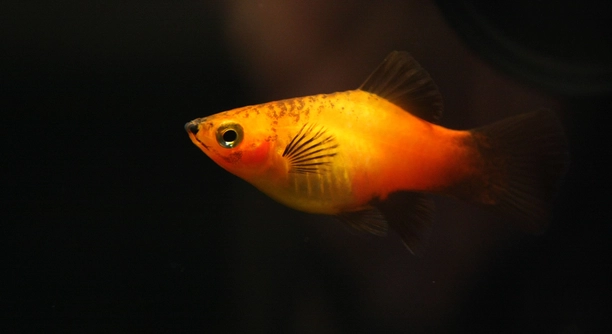
Is your platy spending a lot of time swimming against the current in your tank, leaving you unsure if it’s normal behavior?
Platys often swim against the flow due to instinct, exercise, or environmental stimulation. It mimics their natural habitat, offers resistance for muscle strength, and can indicate contentment. However, stress or poor water quality may also be causes.
Understanding the difference between playful swimming and signs of stress can help you support your platy’s health and daily activity levels.
Common Reasons Platys Swim Against the Flow
Platys are active fish that enjoy staying engaged with their surroundings. Swimming against the current often helps them build strength and simulate the conditions they would naturally face in the wild. This behavior can be a sign that your platy is healthy and stimulated by its environment. Some fish also use the flow to explore, navigate, or play, especially when the tank has strong filtration. However, it’s important to check whether this behavior is constant or paired with signs of stress. If your platy seems fixated, lethargic after swimming, or avoids other areas of the tank, it could indicate an issue.
A small current gives them exercise, but a strong flow might wear them out or limit movement in smaller tanks.
Observing how often your platy swims this way helps determine whether it’s playful or a possible sign of discomfort. Balance is key in keeping them active without added stress.
When to Be Concerned
Frequent swimming against the flow paired with hiding, loss of appetite, or clamped fins could point to a problem.
Check your filter’s strength, as overly strong currents can exhaust small fish over time. Also test your water regularly—high ammonia, nitrites, or low oxygen can cause erratic swimming patterns. If your platy is avoiding other parts of the tank or darting quickly without reason, consider adjusting your setup. A gentle sponge filter or a pre-filter sponge over the intake can help soften flow strength. It’s also important to monitor tank mates, as bullying can cause platys to hover in strong flow areas for safety. A comfortable environment includes stable water parameters, enough hiding spots, and a current that allows them to swim freely. While occasional bursts of energy are fine, continuous effort to swim upstream might mean something isn’t right. Addressing these issues early helps maintain a healthy, stress-free tank.
Creating a Balanced Environment
A steady, moderate current works best for platys. Too much flow can lead to stress, while too little can cause boredom. Aim for gentle water movement that mimics natural streams without overwhelming your fish.
Use plants, decorations, or rocks to break up strong currents and create calm resting zones. These structures help your platy swim freely without getting pushed around. If your filter creates too much flow, consider adding a sponge over the outlet or redirecting it toward a wall. Consistent tank maintenance also matters. Clean the filter regularly to avoid sudden flow changes. Adding floating plants can reduce surface turbulence, giving your platy more control. Observe your fish throughout the day. If they swim easily and explore all areas of the tank, your setup is likely balanced. Minor adjustments can make a big difference in how your fish respond to their environment.
Creating a well-structured tank also supports long-term health. Platys need space to swim, hide, and rest. If they only stay near the filter, the flow might be too strong. Spread out plants or decorations to offer more shelter. Use a filter that allows flow control or has adjustable settings. Avoid direct flow paths that run the full tank length. Rearranging décor can help reduce unintentional current tunnels that force your platy to constantly swim upstream. Always keep an eye on their behavior after changes—if they start exploring new areas or rest more often, it’s a good sign. A healthy tank includes both stimulation and comfort, without forcing your fish into constant movement.
Supporting Your Platy’s Health
Regular water checks are essential. Ammonia, nitrite, and nitrate levels should stay within safe ranges to prevent stress or illness. Unstable water can cause erratic swimming or constant movement against the flow.
Along with clean water, a stable temperature between 72–78°F helps regulate energy and comfort. Feeding quality food in proper portions also keeps your platy active but not overworked. Too much current can increase their need for energy, making balanced feeding even more important. Keep tank mates peaceful—aggressive species may drive your platy toward strong currents for escape. Watch for subtle signs like excessive hiding or constant movement without rest. These can signal more than just curiosity. Small, steady changes in tank setup or care routines often improve behavior over time. When your platy swims calmly through different areas and responds well to feeding, it means your setup is working. Simple, consistent care supports both behavior and long-term health.
Observing Behavioral Patterns
Watch for changes in how often your platy swims against the flow. A sudden increase in activity or avoidance of certain areas may signal discomfort or stress. Noticing these shifts early can help prevent larger problems.
Behavior should feel consistent and relaxed. If your platy constantly battles the current, take time to reassess tank flow, water conditions, and tank mate interactions. Small adjustments often lead to visible improvements.
Adjusting Filter Strength and Placement
Use a filter with adjustable flow settings to create a more comfortable environment. If your current setup doesn’t offer that, place a sponge over the output or angle the flow toward a wall to reduce strength. You can also use plants or decorations to naturally redirect the water. Avoid placing the filter outlet in open areas where it creates a long, direct current across the tank. Monitor how your platy reacts after each change. Balanced flow allows movement without forcing the fish to struggle. When they swim through all areas of the tank calmly, it shows the flow is working in their favor.
Final Checks Before Making Changes
Test water parameters, check filter output, and observe your platy’s swimming patterns before adjusting anything. These simple steps help you understand whether changes are truly needed.
FAQ
Why does my platy swim against the current so often?
Swimming against the current is a natural behavior for platys. It helps them build muscle strength and stay active. In the wild, they face flowing water, so this instinct remains even in aquariums. If the current isn’t too strong, your platy is likely just exercising and exploring its environment.
Could swimming against the flow indicate stress or illness?
Yes, sometimes. If your platy is constantly swimming against the flow and showing other signs like clamped fins, hiding, or loss of appetite, stress or poor water conditions may be factors. Testing water quality and ensuring proper tank setup can help prevent these issues.
How strong should the current be for platys?
Platys do best with a gentle to moderate current. Too strong a flow can tire them out and cause stress, while too little current may make the tank boring for them. Aim for water movement that encourages swimming without forcing them to fight the flow constantly.
Can tank size affect my platy’s swimming behavior?
Yes, tank size matters. Smaller tanks with strong filters often create currents that are hard for platys to handle. Larger tanks can spread out the flow, giving fish room to swim comfortably. Providing hiding places also helps them escape strong currents when needed.
What can I do if my filter creates too strong a current?
You can reduce flow by adding a sponge or pre-filter over the outlet or redirecting the flow toward a tank wall. Adding plants or decorations near the filter output breaks up the current. Choosing a filter with adjustable flow settings is ideal for managing water movement.
Does tank decoration influence swimming patterns?
Definitely. Plants, rocks, and ornaments create calmer areas that break up strong currents. This helps your platy rest and reduces the need to constantly swim against the flow. Well-placed decorations also give your fish places to explore and hide, promoting natural behavior.
How often should I check water conditions?
Regular water testing is important. Check ammonia, nitrite, nitrate, and pH levels weekly or biweekly. Stable water parameters prevent stress that might cause erratic swimming or constant movement against the flow. Clean filters and perform partial water changes as needed to keep water quality high.
Can other fish influence my platy’s swimming behavior?
Yes, tank mates can affect how your platy moves. Aggressive or territorial fish might force your platy to stay in strong flow areas for safety. Choosing peaceful companions and providing hiding spots helps reduce stress and encourages natural swimming patterns.
Is swimming against the flow more common in certain platy varieties?
There’s no strong evidence that specific platy varieties swim against the flow more than others. It’s mostly about individual temperament and tank conditions. Some platys may be more active swimmers by nature, but proper care and environment play a larger role.
How can I tell if my platy is healthy while swimming against the current?
Healthy platys show bright colors, clear eyes, and smooth fins. They swim steadily without signs of distress. If your fish is actively exploring but also rests comfortably and eats well, its behavior is normal. Monitor changes and be alert for unusual signs that may need attention.
Final Thoughts
Swimming against the flow is a common and natural behavior for platys. It often shows that your fish is active and engaging with its environment. This instinct comes from their wild origins, where currents help them build strength and stay alert. When the current in your tank is balanced, your platy will use it for exercise and exploration. This kind of swimming can indicate that your fish is healthy and comfortable. However, it is important to observe your platy closely to make sure this behavior does not come from stress or poor tank conditions.
Maintaining a proper environment is key to supporting your platy’s well-being. A gentle to moderate water current that mimics natural flow is ideal. Too strong a current can tire your fish and cause stress, while too weak a flow may reduce stimulation. Adding plants and decorations helps break up the current and gives your platy places to rest. Regular testing of water quality and ensuring appropriate tank mates can also prevent problems that cause erratic swimming. Watching your platy’s behavior over time gives you valuable insight into how it feels in its habitat.
Overall, creating a balanced and calm environment will encourage your platy to swim naturally and stay healthy. Adjusting filter flow, providing hiding spots, and maintaining clean water all contribute to this balance. By paying attention to your fish’s swimming patterns and overall condition, you can make sure it enjoys a comfortable and stimulating home. Swimming against the current can be a positive sign, but when paired with other symptoms, it may need your attention. Keeping a steady routine and making small changes when needed will help your platy thrive in your care.

Hello,
If you enjoy the content that we create, please consider saying a "Thank You!" by leaving a tip.
Every little bit helps us continue crafting quality advice that supports the health, happiness, and well-being of pets around the world, for pets of all shapes, sizes, and species.
We really appreciate the kindness and support that you show us!