
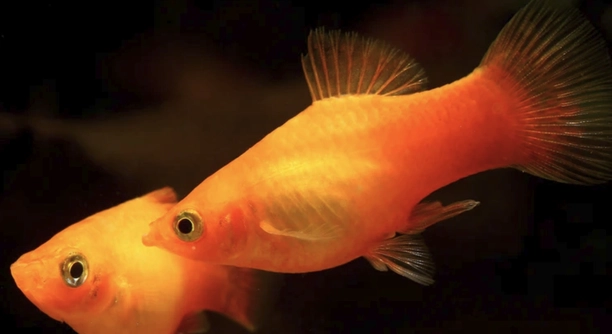
Is your platy zipping around the tank, chasing every fish and nibbling at anything that moves, leaving you feeling concerned or confused?
Platies often chase due to territorial behavior, mating instincts, or stress. These actions are typically triggered by overcrowding, improper male-to-female ratios, or sudden changes in their environment. Monitoring conditions and tank mates is essential to prevent aggression.
Learning what’s causing this behavior can help create a calmer, healthier environment for your fish and restore peace in your aquarium.
Common Reasons Behind the Chasing Behavior
Platies are active and social fish, but sometimes their high energy can turn into unwanted chasing. This behavior is often linked to mating habits, especially if there are more males than females. A single female might be overwhelmed by constant attention, leading to stress. Another cause can be territorial instincts, particularly in smaller tanks where space is limited. Stress from sudden changes in water parameters, new tank mates, or a crowded environment can also lead to aggressive or restless behavior. These actions aren’t always harmful, but they can create tension and unease among other fish in the tank.
Keeping a balanced male-to-female ratio, ideally one male for every two or three females, can reduce this behavior significantly.
Make sure your tank is large enough for all your fish. If your platy feels cramped or threatened, chasing becomes a natural response. Give them room to swim freely and feel secure.
What You Can Do to Calm Things Down
Start by observing the tank closely. Pay attention to who is being chased, when it happens, and how often. This can help you pinpoint the cause quickly.
Adjusting the tank setup is often the best first step. Ensure your aquarium has enough hiding spots using plants or decorations to break lines of sight. This gives stressed fish a place to retreat and helps reduce conflict. Maintain a stable water temperature and keep an eye on ammonia and nitrate levels. Reducing the number of males and adding more females may also help, especially if mating seems to be the issue. A tank that’s too small can amplify aggression, so consider upgrading if your space is limited. Lastly, avoid sudden changes, such as adding many new fish at once. Small, consistent updates keep things calm. When your platy feels safe and stimulated, chasing will naturally slow down, helping all your fish thrive peacefully.
Signs That the Chasing Is Becoming a Problem
Occasional chasing is normal, but constant, targeted pursuit can cause stress or injury. If other fish hide often, lose color, or stop eating, it may be time to intervene. Watch for nipped fins or signs of exhaustion.
When chasing becomes frequent, it disrupts the social balance in the tank. Stressed fish often become reclusive and may even fall ill from weakened immune systems. If one platy seems to be doing most of the chasing, isolating them temporarily can be helpful. Aggression tends to escalate when the same fish is always targeted. If tank mates show ragged fins or erratic swimming, it means the environment is no longer peaceful. A stressed tank isn’t just uncomfortable—it can turn unhealthy quickly. Careful observation and timely action are important to avoid long-term issues and protect the wellbeing of all your fish.
Severe chasing can even lead to fatalities. Smaller or weaker fish might not recover from constant harassment. A calm, balanced tank helps avoid this outcome. Keep a close eye on any changes in behavior, and make adjustments early to prevent further problems. Rearranging tank décor or increasing the number of hiding spots can often reduce aggression without needing to separate your fish permanently. Sometimes even a small change makes a big difference.
When to Consider Rehoming or Separation
If repeated changes don’t work and your platy remains aggressive, it may be time to separate or rehome them. Some fish simply don’t adjust well to a community tank and will continue causing stress.
Before rehoming, try placing the aggressive platy in a breeder box or separate tank section for a few days. This short break can disrupt territorial behavior and give the rest of the tank time to settle. If the chasing resumes immediately after reintroduction, long-term separation may be the kindest option. Some platies have naturally dominant personalities that clash with certain tank mates. Rather than letting stress affect the entire aquarium, rehoming to a better-suited tank environment may be necessary. Look for an experienced aquarist or a local pet store that can take in the fish. It’s not an easy choice, but sometimes it’s best for both the aggressive platy and the remaining fish. Peace in the tank should always come first.
Tips for Preventing Future Chasing
Maintain a consistent tank environment. Sudden changes in temperature, lighting, or water conditions can trigger stress and aggressive behavior. Keep parameters steady and avoid overcrowding to give each fish enough room to swim and establish space.
Use plants and décor to divide the space naturally. Broken lines of sight help reduce tension between fish. Live or artificial plants, rocks, and hiding spots can create safer zones, making aggressive outbursts less frequent. Rearranging the setup occasionally can also discourage territory claims.
Choosing the Right Tank Mates
Avoid pairing platies with fin-nipping or highly territorial fish. Peaceful community fish like mollies, guppies, or corydoras often work well. Always check compatibility before adding new fish. Some species are more tolerant of active tank mates, while others become stressed easily. Keep temperament in mind, not just size or appearance. Introducing fish slowly and watching for early signs of conflict can prevent problems from growing. When everyone gets along, your tank becomes a calmer and healthier place to enjoy. Matching personalities is just as important as maintaining good water quality and a clean tank setup.
Monitor Behavior Regularly
Behavior can shift over time, especially with changes in population or tank conditions. Keep watching your fish closely to catch early signs of stress or tension.
FAQ
Why is my platy only chasing certain fish?
Platies sometimes target specific fish based on size, color, or behavior. If a fish is smaller or slower, it may be seen as easy to chase. Brightly colored or long-finned fish may also trigger unwanted attention. Some platies show dominance over particular tank mates due to natural social hierarchy. If the same fish is repeatedly chased, consider if their appearance or behavior might be drawing attention. Creating hiding spots or rearranging the tank can help reduce the targeting by breaking territorial patterns and offering shelter to more vulnerable fish.
Is chasing always related to aggression?
No, not always. Chasing can be playful or part of mating behavior, especially when males pursue females. However, frequent or forceful chasing with signs of stress or injury usually indicates aggression. It’s important to watch the body language. If the chased fish is hiding, breathing heavily, or losing color, it’s not just playful behavior. Context matters—occasional chasing is normal in community tanks, but aggressive patterns need attention. Pay attention to the frequency and the impact on the other fish’s health and movement. This helps you understand whether intervention is necessary.
Do platies chase when they’re stressed?
Yes, stress can increase chasing. Poor water quality, sudden environmental changes, or lack of space can raise stress levels, causing erratic or aggressive behavior. A stressed platy may act out by chasing other fish to feel more in control of its surroundings. Make sure the tank is stable, clean, and well-aerated. Check for overcrowding and consider whether something has recently changed in the tank. A calm environment with stable conditions often results in better behavior. Reducing stress benefits all your fish and encourages more peaceful interactions over time.
Can female platies be aggressive too?
Yes, although it’s more common in males, female platies can also show aggression. This can happen when there are too few hiding places or if the tank is overcrowded. Dominance behavior isn’t limited to males—some females establish a pecking order. If you notice a female chasing others repeatedly, observe the tank setup and spacing. Increasing decorations and space may help reduce conflict. It’s also helpful to monitor interactions during feeding times, where some aggression can surface. Noticing patterns in their behavior makes it easier to find ways to calm the tank.
Should I separate the platy right away if it’s chasing?
Not always. Try adjusting the tank setup first. Add hiding spots, rearrange decorations, and check water conditions. Sometimes these changes solve the problem without needing separation. If chasing continues and causes injury or stress, isolation may become necessary. A breeder box or separate tank section works for short-term solutions. If aggression resumes after reintegration, long-term separation or rehoming might be the only option. Separation should be considered a last step, not the first. Try simple changes first—they often improve the situation without having to remove a fish.
How can I tell if chasing is mating behavior?
Mating behavior is usually more persistent but less aggressive. A male platy will follow and nudge a female’s belly or underside, often swimming very close. If this chasing doesn’t result in fin-nipping or hiding, it’s likely part of courtship. However, if the female seems exhausted or starts hiding constantly, she may be overwhelmed. Providing more females and adding plants or hiding spaces can help reduce stress from constant pursuit. Watching for these signs will help you distinguish between normal breeding behavior and aggressive patterns that need attention.
Will the chasing ever stop on its own?
Sometimes it does, especially if it’s related to temporary changes in the tank or if the platy is newly added and adjusting. Once the environment stabilizes, the behavior might improve. However, if the chasing is linked to social dynamics or ongoing stress, it often continues unless action is taken. Regular monitoring and small adjustments can make a big difference. Don’t wait too long if you notice distress in other fish. While some chasing may decrease over time, persistent patterns usually need your help to resolve peacefully.
Can diet or feeding habits influence this behavior?
Yes, feeding habits can play a role. Hungry or underfed fish may become more aggressive, especially during feeding times. Uneven food distribution can cause tension among tank mates. Make sure all your fish get enough to eat and use sinking or floating foods based on who needs them. Feeding small amounts more often may help reduce aggressive interactions. A balanced diet also improves overall health, which lowers stress. Keeping everyone well-fed helps create a calmer environment and may reduce unnecessary chasing linked to competition over food.
Final Thoughts
Chasing behavior in platies can be concerning, especially when it seems constant or aggressive. In many cases, it starts with something simple, like a male platy trying to mate or one fish wanting to show dominance. These actions are natural to some extent, but when they happen too often or begin to stress out other fish, it’s important to step in. Watching your fish closely and noticing changes in behavior is the first step in understanding what’s really going on. Most chasing problems have clear causes, and with a little effort, they can usually be managed without too much trouble.
Tank conditions play a big role in how your platy behaves. Clean water, stable temperatures, and a balanced number of tank mates all help reduce stress. Providing hiding spots and enough space allows fish to stay out of each other’s way when needed. When there are too many males or not enough shelter, chasing tends to increase. That’s why regular tank maintenance and thoughtful setup make such a difference. Even something as simple as rearranging decorations or adjusting feeding routines can help calm things down. Taking these small steps can prevent bigger problems later on and support the health of the whole tank.
It’s also important to know when it’s time to act. If chasing leads to injury or ongoing stress, the situation shouldn’t be ignored. Sometimes a platy may need to be separated or even rehomed for the sake of the others. While this decision isn’t always easy, creating a peaceful environment must come first. Every tank is different, and what works in one setup might not work in another. Staying flexible, being observant, and making changes early all help keep your aquarium safe and balanced. With the right care, your platies can live active, healthy lives without constant chasing becoming a problem.

Hello,
If you enjoy the content that we create, please consider saying a "Thank You!" by leaving a tip.
Every little bit helps us continue crafting quality advice that supports the health, happiness, and well-being of pets around the world, for pets of all shapes, sizes, and species.
We really appreciate the kindness and support that you show us!