
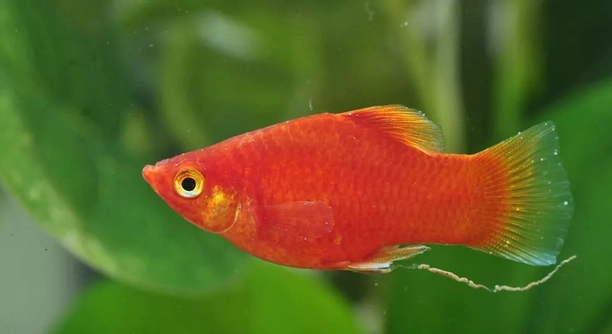
Platies are popular freshwater fish known for their vibrant colors and peaceful nature. They live comfortably in home aquariums, but changes to their tank environment can affect their behavior. Observing how they react helps maintain a healthy habitat.
Platies generally respond to tank changes with signs of stress such as hiding, decreased activity, or changes in eating habits. Sudden alterations in water temperature, pH, or tank layout can disturb their routine, while gradual adjustments tend to minimize negative reactions.
Recognizing these responses is important for keeping platies healthy and calm during any tank modification process. This article will guide you through their typical behaviors and how to manage them effectively.
How Platies Adjust to New Tank Conditions
When platies experience changes in their tank, they often react by exploring their new surroundings cautiously. They may swim slower or hide more than usual as they get used to new water conditions or decorations. Sharp changes in temperature or water chemistry can cause stress, leading them to seek shelter. It is common for them to temporarily eat less until they feel secure again. Providing stable water parameters and making gradual changes helps reduce stress. Watching their behavior closely during this time is important to ensure they stay healthy. Small adjustments like rearranging plants or introducing new tank mates should be done slowly to give platies time to adapt without discomfort.
Platies tend to show clear signs of stress but usually calm down after a few days if conditions stabilize.
Creating a calm environment for your platies means keeping consistent water quality and minimizing sudden disruptions. Slowly adjusting any tank changes allows platies to adapt smoothly, avoiding unnecessary stress or health problems. Regular monitoring helps spot any signs of discomfort early.
Signs of Stress in Platies After Tank Changes
Platies display stress through changes in behavior and appearance.
Stress in platies can appear in different ways, such as clamped fins, erratic swimming, or hiding excessively. Loss of appetite and dull coloration are also common signs. These reactions occur because platies are sensitive to shifts in water quality, temperature, and tank layout. It’s important to test water regularly for ammonia, nitrites, nitrates, and pH levels after making changes. Maintaining clean water and stable parameters reduces stress significantly. If you notice prolonged stress signs, it may help to revert to previous conditions or perform partial water changes to restore balance. Understanding these stress indicators ensures timely action, helping your platies regain comfort and thrive in their environment.
Best Practices for Introducing Changes to a Platy Tank
Gradual changes are key to keeping platies comfortable. Sudden shifts in water temperature or decorations can cause stress and disrupt their routine.
Slowly adjusting water parameters allows platies to adapt without shock. For example, raise or lower the temperature by only 1–2 degrees each day. Introduce new plants or decorations one at a time rather than all at once. This reduces anxiety and helps them feel safe in their environment. Testing water quality frequently during changes ensures parameters stay within safe ranges. Avoid overcrowding the tank, as this can add to their stress.
Monitoring their behavior after each change helps you know when it’s safe to continue with adjustments. Patience during this process leads to healthier, happier platies that settle in well.
How to Support Platies During Tank Changes
Providing hiding spots like plants or caves helps platies feel secure. Soft lighting can reduce stress by mimicking natural conditions. Feeding smaller amounts more often encourages eating when appetite drops.
Maintaining stable water quality is crucial. Frequent water tests and partial water changes prevent toxic buildup that worsens stress. Keep tank temperature steady and avoid rapid pH swings. Using a gentle filter reduces strong currents, which can unsettle platies. Keeping noise and disturbances around the tank to a minimum also supports their comfort. With these care steps, platies adjust better and recover quickly after changes.
Common Mistakes When Changing a Platy Tank
Rushing tank changes often leads to stress in platies. Avoid altering water temperature or chemistry too quickly.
Another mistake is neglecting to test water regularly during changes. Skipping this step can allow harmful conditions to develop unnoticed.
How Lighting Affects Platy Behavior
Lighting impacts platies by influencing their activity levels and stress. Bright or flickering lights can make them hide or swim nervously. Using a soft, consistent light helps them feel secure and encourages natural behavior patterns. Adjusting the lighting gradually when changing bulbs or settings prevents sudden stress responses.
Feeding Tips During Tank Changes
Platies may eat less when stressed, so offering smaller meals more frequently supports their nutrition and recovery.
FAQ
How long does it take for platies to adjust to tank changes?
Platies usually take a few days to a week to fully adjust to changes in their tank. Minor changes, like rearranging decorations, may cause only a brief reaction, while major changes in water parameters or tank mates could take longer. Patience is key during this period.
What signs indicate my platies are stressed after a change?
Common signs include hiding more than usual, reduced swimming activity, loss of appetite, clamped fins, and dull colors. If these behaviors persist beyond several days, it may indicate ongoing stress or poor water conditions that need addressing.
Can sudden water temperature changes harm platies?
Yes, sudden temperature shifts can shock platies and weaken their immune systems. Gradual temperature changes of 1–2 degrees per day are safer and help prevent illness. Always monitor temperature closely when making adjustments.
Should I change water parameters all at once?
No, rapid changes in pH, hardness, or other water parameters can cause stress. Adjust these factors slowly over several days or weeks, testing water regularly to ensure a smooth transition for your fish.
How can I reduce stress when adding new decorations or plants?
Introduce one new item at a time and observe your platies’ behavior. Allow several days between additions to let them adjust. This approach minimizes sudden environmental changes and helps maintain a stable habitat.
Is it normal for platies to eat less after a tank change?
Yes, it is common for platies to reduce their food intake temporarily when stressed. Offering smaller, more frequent meals can encourage eating. If appetite does not return after a week, check water quality and tank conditions.
What is the best way to monitor water quality during tank changes?
Test ammonia, nitrite, nitrate, pH, and temperature frequently. Keeping these parameters stable prevents toxic buildup and stress. Using a reliable water testing kit and keeping records helps track changes and maintain a healthy environment.
Can platies recover fully from stress caused by tank changes?
With proper care and stable conditions, platies usually recover well. Minimizing stress factors, maintaining clean water, and providing hiding spots support their health. Recovery time varies but often takes about a week.
Are some platies more sensitive to changes than others?
Yes, younger or weaker platies may be more vulnerable to environmental changes. Individual temperament also plays a role. Providing gentle care and a stable environment is especially important for sensitive fish.
How does tank size affect platies’ reaction to changes?
Smaller tanks tend to show rapid changes in water quality, which can stress platies more easily. Larger tanks buffer changes better, giving platies a more stable environment. Regular maintenance is essential regardless of tank size.
Platies are generally adaptable fish, but they do respond noticeably to changes in their tank environment. Whether it’s a shift in water temperature, pH levels, or rearranging decorations, these changes can affect their behavior and well-being. Observing platies carefully during and after adjustments helps ensure they stay healthy and comfortable. Gradual changes tend to be less stressful for them, giving platies time to get used to new conditions without becoming overwhelmed. It’s important to remember that even small changes can make a difference in how platies react.
Maintaining stable water quality is one of the most critical factors when managing a platy tank. Regular water testing and timely water changes keep harmful substances in check and help create a safe environment. If platies show signs of stress, such as hiding, reduced activity, or loss of appetite, it often points to water conditions needing attention. Providing plenty of hiding places and keeping noise or disruptions around the tank to a minimum can also make a significant difference in reducing their stress. These simple steps contribute to a calm and healthy habitat.
Patience is essential when caring for platies during tank changes. Rushing adjustments or ignoring stress signals can cause health issues that may take longer to fix. Taking time to introduce changes slowly, monitoring water parameters, and supporting your fish with proper care helps platies adapt well. This approach not only improves their immediate response but also supports their long-term health and happiness. Understanding how platies react allows for better management of their environment and makes keeping them a more rewarding experience.

Hello,
If you enjoy the content that we create, please consider saying a "Thank You!" by leaving a tip.
Every little bit helps us continue crafting quality advice that supports the health, happiness, and well-being of pets around the world, for pets of all shapes, sizes, and species.
We really appreciate the kindness and support that you show us!