
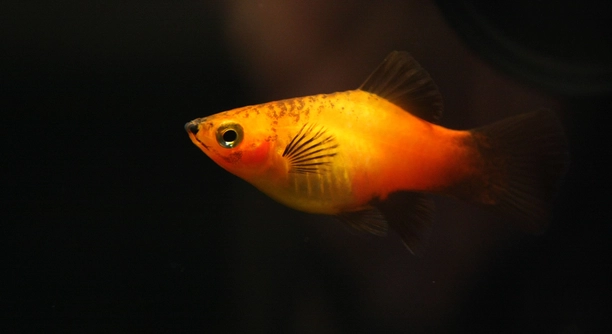
Platies are popular freshwater fish known for their bright colors and peaceful nature. Many owners notice that these fish often swim side by side. This behavior can seem curious to those new to keeping platies or aquarium fish in general.
Platies swim side by side constantly mainly as a social behavior and for safety. Swimming together reduces stress and helps them stay alert to predators. It also strengthens their social bonds and encourages group cohesion in their environment.
Understanding why platies swim together reveals important aspects of their behavior and care. This knowledge helps fish owners create a better environment for their aquatic pets.
Social Behavior and Safety in Numbers
Platies are naturally social fish that prefer the company of others. Swimming side by side is a sign of their social nature. In groups, they feel safer because they can watch out for potential threats together. This behavior is similar to how many animals stay close to protect themselves. When platies swim near each other, they reduce individual stress, which helps keep them healthy. Being part of a group also encourages natural behaviors that promote their well-being. When platies are alone, they may become anxious or less active. In a tank, providing enough space and hiding spots helps them feel secure while swimming together. Observing this behavior is a good indicator that your platies are comfortable and thriving in their environment.
The side-by-side swimming helps platies stay alert and reduces stress in their daily life.
Platies form social bonds by swimming together, which is essential for their mental and physical health. This group behavior also helps maintain a peaceful tank environment. If platies are stressed or isolated, they may hide or show signs of illness. Keeping a small group allows them to express their natural social habits and reduces aggression. It also makes them more active and visible, which is enjoyable for observers. Ensuring that the tank has proper conditions and companions supports this behavior. Watching platies swim together is not only interesting but also an important sign of their overall well-being.
Communication Through Movement
Swimming side by side is a form of communication among platies. It helps them share information about food, danger, or changes in their surroundings. This subtle interaction allows them to stay connected without direct contact. When one platy spots food or a threat, others nearby can react quickly. This quick response increases their chances of survival. Communication through movement is common in many fish species, but platies show it clearly because of their close swimming patterns.
By moving together, platies exchange signals that keep the group informed and coordinated.
Platies use synchronized swimming to maintain group cohesion and respond to environmental changes. When a change occurs, such as a new object in the tank or a shift in water conditions, the fish adjust their movements together. This coordination helps them adapt quickly to new situations. It also prevents panic by allowing the group to move as one, avoiding chaos or injury. The behavior also plays a role in mating rituals, where males and females swim closely to strengthen bonds. Understanding this communication method can improve tank management and promote healthier, happier platies.
Protection from Predators
Swimming side by side helps platies watch for predators more effectively. Being in a group increases their chances of spotting danger early. This natural defense strategy reduces the risk of attack.
In groups, platies can use collective vigilance to keep themselves safe. When one fish senses a threat, others quickly follow and respond, often by darting away or hiding. This synchronized movement confuses predators and makes it harder for them to target a single fish. In an aquarium, this behavior may seem less critical, but it remains instinctual. Providing enough space and hiding spots allows platies to act on these instincts without stress. Watching their alert swimming patterns can indicate a healthy and responsive group.
This shared defense also creates a calmer environment. With less fear, platies swim more confidently and show better overall health. Their natural instinct to protect each other by swimming closely is a key factor in their survival and comfort.
Strengthening Social Bonds
Swimming side by side is a way platies build trust within the group. Close proximity encourages interaction and reduces aggression. This behavior helps maintain a peaceful tank environment.
Social bonds formed through swimming together promote cooperation and reduce stress. When platies stay close, they feel more secure and less likely to compete aggressively for food or territory. These bonds also support mating behavior and help maintain hierarchy without conflict. A well-bonded group will be more active and display natural behaviors, making the tank lively and balanced. Regularly seeing platies swim side by side shows that their social needs are met, which is essential for their well-being. Ensuring the right number of companions and tank conditions will help these bonds grow strong and stable.
Environmental Comfort
Platies swim side by side when they feel comfortable in their surroundings. This behavior shows they trust the environment is safe.
Stable water conditions and plenty of plants help platies relax. Comfortable surroundings encourage natural behaviors like group swimming and exploration.
Mating Behavior and Attraction
Male platies often swim close to females as part of courtship. This side-by-side swimming allows them to show off colors and strength. Close swimming helps males stay near females to increase mating chances. Females may also swim with chosen males, signaling acceptance. This behavior is part of their natural reproduction cycle and important for healthy breeding in captivity.
Schooling Instinct
Platies have a natural instinct to swim in groups, which reduces loneliness. This schooling behavior helps them feel safer and more secure in their habitat.
Why do platies swim side by side all the time?
Platies swim side by side mainly because of their social nature and survival instincts. This behavior helps them feel safe and alert to any threats. Being close together reduces stress and encourages group bonding, which is important for their mental and physical well-being. It also allows them to communicate through movement and respond quickly to changes in their environment.
Is side-by-side swimming a sign of stress or comfort in platies?
Generally, swimming side by side is a sign of comfort rather than stress. When platies feel secure, they group together naturally. If the tank conditions are good and they have enough companions, this behavior shows they are relaxed. However, if they swim tightly in a small area or near hiding spots excessively, it might indicate stress or fear. Proper tank maintenance helps keep them comfortable.
Can platies swim side by side if they are not healthy?
Sick or stressed platies tend to isolate themselves rather than swim closely with others. Side-by-side swimming usually indicates good health and social behavior. If a fish stays apart or hides frequently, it could mean illness or discomfort. Watching their swimming patterns can help spot early health issues.
Do all fish swim side by side or is it unique to platies?
Many fish species swim in groups or schools, but the way platies swim side by side is quite distinct. Their small size and social behavior encourage close swimming to maintain bonds and safety. Other species may swim in larger schools or different formations depending on their habits.
Does the size of the tank affect how often platies swim side by side?
Yes, tank size and layout influence swimming behavior. In a small or crowded tank, platies might swim closer together because of limited space. In a larger, well-planted tank, they may spread out more but still maintain group swimming. Providing enough space and hiding spots is essential for natural behavior.
What does it mean if platies suddenly stop swimming side by side?
A sudden change in swimming patterns can indicate a problem. If platies stop swimming together, it may be due to illness, stress, or changes in the environment such as poor water quality or new tank mates. Monitoring water parameters and fish health can help address the issue quickly.
How can I encourage my platies to swim side by side more often?
To encourage this behavior, keep platies in small groups of at least three or more. Maintain stable water conditions, provide hiding places, and ensure proper nutrition. A calm and secure environment helps them feel safe and promotes natural group swimming.
Is side-by-side swimming related to platies’ breeding habits?
Yes, side-by-side swimming is part of mating behavior. Males often swim close to females to court them, showing off their colors and fitness. This proximity helps strengthen mating bonds and increases reproductive success.
Do platies communicate while swimming side by side?
Platies use swimming patterns to communicate subtle signals about food, danger, or territory. Moving together helps them stay coordinated and aware of changes in their environment, which benefits the whole group.
Can side-by-side swimming reduce aggression among platies?
Swimming in groups and maintaining social bonds can reduce aggressive behavior. When platies feel secure and connected, they are less likely to compete or fight. Keeping the right group size and tank conditions helps maintain harmony.
What role do plants and decorations play in side-by-side swimming?
Plants and decorations provide shelter and reduce stress, encouraging natural group behaviors like side-by-side swimming. They offer hiding spots and create a comfortable environment that supports social interactions.
Are younger platies more likely to swim side by side than older ones?
Younger platies often swim closely together for safety and social learning. Older platies may also swim in groups but can become more independent or territorial depending on their personality and environment. Group swimming remains important at all life stages.
How does water temperature affect platies’ swimming behavior?
Stable water temperature helps platies stay active and comfortable, promoting group swimming. Sudden changes or extremes in temperature can cause stress, leading to less social behavior or hiding. Maintaining appropriate temperatures supports natural swimming patterns.
Can platies swim side by side with other fish species?
Platies are peaceful and may swim near other calm fish, but their close side-by-side swimming is mainly with their own kind. Mixing species can change social dynamics, so it’s best to keep platies in groups of their own species for this behavior.
What should I do if my platies don’t swim side by side at all?
If platies rarely swim together, check tank conditions first. Poor water quality, stress, or inadequate group size could be reasons. Improving their environment and adding more platies often encourages social swimming. Observing their behavior helps identify any health or habitat issues.
Understanding why platies swim side by side helps in creating a better home for these lively fish. This behavior is a natural part of their social life, offering safety, communication, and comfort. Watching platies swim close together can be a sign that they feel secure and healthy in their environment. It shows they are behaving as they would in the wild, relying on each other for protection and companionship. Knowing this makes it easier to care for them properly and meet their needs.
Proper tank conditions play a big role in encouraging side-by-side swimming. Clean water, the right temperature, and enough space make platies comfortable and willing to interact. It is also important to keep them in groups, as platies are social animals and prefer company. Without enough companions, they may become stressed or inactive. Providing plants and hiding spots gives them places to feel safe and explore. When these factors are in place, platies are more likely to show their natural behavior, including swimming closely together.
Paying attention to platies’ swimming patterns can tell a lot about their health and mood. If they suddenly stop swimming side by side or act differently, it might be a sign of stress or illness. Regularly checking water quality and observing their behavior helps catch problems early. Understanding why platies swim side by side also makes the experience of keeping these fish more rewarding. It connects you to their natural instincts and helps ensure they live happily and safely in your care.

Hello,
If you enjoy the content that we create, please consider saying a "Thank You!" by leaving a tip.
Every little bit helps us continue crafting quality advice that supports the health, happiness, and well-being of pets around the world, for pets of all shapes, sizes, and species.
We really appreciate the kindness and support that you show us!