
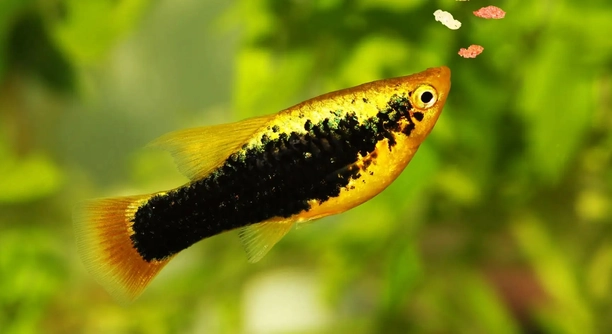
Do you ever find yourself wondering if your platies and guppies can live together peacefully in the same aquarium? These two colorful fish are often kept by beginners and hobbyists alike, but compatibility matters.
Platies and guppies can live together, as they are both peaceful, community-friendly fish with similar care needs and temperaments. However, it’s important to monitor tank conditions, space, and potential overbreeding to maintain a healthy environment.
Learning how to manage tank dynamics and meet both species’ needs can help prevent stress, aggression, or health issues over time.
Understanding Platy and Guppy Compatibility
Platies and guppies can live together without major issues, as long as their environment is properly maintained. They are both peaceful fish, so they usually get along well in a shared tank. Their care requirements are similar, including water temperature, diet, and tank size. This makes them suitable tank mates, especially for those looking to keep a calm and colorful aquarium. However, overstocking the tank or allowing breeding to get out of control can cause stress. Males from both species may also chase females too often if there aren’t enough females in the tank. To avoid problems, aim for a balanced male-to-female ratio and provide hiding spots for resting. A well-kept tank with consistent water changes and enough room to swim will help keep them healthy and happy. When you understand their needs and behavior, platies and guppies can live together peacefully.
Adding platies and guppies to the same tank can brighten your aquarium with their vibrant colors and active movement.
These fish are livebearers, which means they give birth to live young. If both species breed in the same tank, the number of fish can grow quickly. This may cause overcrowding, which can lead to poor water quality and stress. To manage this, try to control breeding by keeping more females than males and watching for fry. Some people choose to separate the fry to keep the tank from becoming too full. Also, always check that the tank is large enough—at least 20 gallons is ideal for a group of these fish. Keep the water clean and use a filter suited for the tank size. Feed a variety of foods like flakes, freeze-dried options, and occasional vegetables. This keeps both platies and guppies healthy and colorful. With proper care, your tank can remain peaceful and lively without problems from overcrowding or aggression.
What to Watch Out For
Tank harmony can be disrupted if breeding gets out of hand or if the tank becomes too small for the number of fish.
Breeding is natural for both platies and guppies, but it can cause trouble if not controlled. Males tend to be more active and may harass females, especially when outnumbering them. This constant attention can lead to stress or even illness for the females. Aim for at least two or three females per male to reduce this. Also, look out for any fin-nipping. Though rare between these two species, it can still happen, particularly in cramped or stressful environments. A larger tank, plenty of plants, and some hiding spots can help avoid this. Water quality should be tested weekly to ensure it stays within the right parameters. Stable temperature, clean water, and good oxygen levels support the overall health of the fish. As long as their basic needs are met and the tank remains balanced, platies and guppies can live together comfortably without any serious problems.
Feeding Needs and Diet Compatibility
Platies and guppies have very similar diets, which makes feeding them in the same tank simple. Both are omnivores and do well on a mix of high-quality flakes, freeze-dried foods, and occasional vegetables.
Feeding a variety of foods helps support their health, color, and activity. Flake foods designed for tropical fish work well for daily feeding. You can also offer freeze-dried bloodworms, brine shrimp, and daphnia a few times a week. Adding small amounts of blanched spinach or zucchini once or twice a week gives them extra nutrients. Feed small portions two times a day, and remove any uneaten food after a few minutes to prevent water quality issues. Make sure all fish get access to food, especially if you have faster swimmers who may try to eat everything first. A balanced diet reduces stress and helps both fish live longer, healthier lives.
Uneven feeding can happen in community tanks. Some fish may eat quickly while others miss out. This is more common if there are too many fish or not enough feeding spots. To fix this, try feeding in more than one spot or using slow-sinking foods. This gives fish at different tank levels a better chance to eat. You can also watch the tank during feeding to see if one species is more aggressive than the other. If one fish type always dominates, offer food in different areas to reduce competition. Make sure the food is small enough for both guppies and platies to eat comfortably. Feeding properly supports growth, reduces aggression, and keeps the tank balanced. With a consistent routine and varied diet, you’ll notice brighter colors and more active, healthy fish over time.
Ideal Tank Setup and Space Needs
A shared tank for platies and guppies should have plenty of space, hiding spots, and stable water conditions. A 20-gallon tank is the minimum recommended size for a small mixed group.
Both species enjoy swimming space and do best in tanks that are not overcrowded. Keep the temperature between 72–78°F, and use a gentle filter to avoid strong currents. Add live or silk plants, small rocks, and decorations to offer hiding spots and reduce stress. These areas also help females avoid constant attention from males. A dark substrate and background can help show off the fish’s bright colors. Avoid sharp decor that could damage fins. Make sure the tank is covered, as guppies may jump out. Weekly water changes of 25–30% keep conditions clean. Test for ammonia, nitrite, and nitrate levels often to catch any changes early. A calm tank setup helps both platies and guppies thrive in the long run.
Common Behavior Differences
Platies are often a bit more laid-back compared to guppies. They swim at a steady pace and don’t chase each other as much. Guppies, on the other hand, are more active and curious, often darting around the tank throughout the day.
Male guppies can show off and chase females more frequently, especially during breeding. Platies do this too, but usually with less intensity. Watching their behavior helps you notice signs of stress or imbalance early. A calm, balanced group usually means your tank setup is working well for both species.
Managing Aggression and Stress
Aggression is rare between platies and guppies, but it can happen in crowded or poorly managed tanks. Most issues come from too many males or lack of hiding places. If you notice fin-nipping or chasing, try rearranging the tank decor or adding more plants. This helps break lines of sight and gives fish space to rest. Always check your male-to-female ratio and aim for at least two or three females per male. Also, poor water quality can cause stress, leading to more aggressive behavior. Make sure your filter works well and water changes are regular. A clean tank with enough space and hiding spots reduces stress and helps your fish feel safe.
Breeding Control
Breeding can quickly lead to overcrowding. Both platies and guppies reproduce often and easily. To manage this, keep more females than males and consider removing fry before they grow.
FAQ
Can platies and guppies breed together?
Platies and guppies cannot interbreed because they belong to different species. However, both are livebearers and will breed separately in the same tank if conditions are right. This means you may end up with both platy fry and guppy fry in your aquarium. Managing their populations is important to prevent overcrowding.
How can I prevent overbreeding in a community tank?
To avoid overbreeding, keep a higher number of females compared to males. Males tend to chase females to mate, so a ratio of at least two or three females per male helps reduce stress. Another option is to separate the fry into a nursery tank or remove them regularly to control numbers.
Will platies and guppies fight?
Both species are peaceful and usually do not show aggression toward each other. Problems may arise if the tank is overcrowded or males outnumber females, causing chasing and fin-nipping. Providing plenty of hiding spots and plants helps reduce any tension between fish.
What size tank do I need for platies and guppies?
A minimum of 20 gallons is recommended for a mixed group of platies and guppies. This gives them enough swimming space and helps keep water quality stable. Larger tanks are better if you plan to keep more fish or want to reduce breeding stress.
How often should I feed platies and guppies?
Feeding twice a day with small amounts is ideal. Use a variety of foods such as flakes, freeze-dried options, and occasional vegetables like blanched zucchini. Remove uneaten food after a few minutes to keep the water clean and avoid algae growth.
What water temperature is best for platies and guppies?
Both fish thrive in temperatures between 72°F and 78°F. Maintaining stable temperature within this range helps reduce stress and supports their immune systems. Sudden changes can make fish sick, so use a reliable heater and thermometer.
Do platies and guppies need special filtration?
A gentle filter suitable for the tank size is best. Strong currents can stress both species because they prefer calm waters. A sponge filter or a low-flow hang-on-back filter works well. Regular cleaning and water changes are also necessary to maintain water quality.
How do I tell if my fish are stressed?
Signs of stress include hiding often, loss of color, clamped fins, rapid breathing, or refusing to eat. Aggressive chasing and fin damage can also indicate stress in the tank. If you see these signs, check water quality, temperature, and tank conditions immediately.
Can platies and guppies live with other fish?
Yes, they can live with other peaceful community fish like tetras, mollies, or corydoras catfish. Avoid large or aggressive species that might harm them. Compatibility depends on similar water needs and peaceful behavior.
How often should I do water changes?
Perform a 25–30% water change weekly. This helps remove waste and keeps nitrate levels low, which is vital for fish health. Use a water conditioner to remove chlorine and chloramine from tap water before adding it to the tank.
What plants are best for a tank with platies and guppies?
Live plants like Java moss, hornwort, and anubias work well. They offer hiding places for shy fish and fry, improve water quality, and make the tank look natural. Avoid sharp or rough plants that might injure delicate fins.
Can guppies and platies survive in the same water parameters?
Yes, both fish prefer similar water conditions with a pH around 7.0 to 8.0 and moderate hardness. Keeping stable water parameters benefits their health and helps them thrive together in the same tank.
Is it okay to keep only male or only female platies or guppies?
Keeping only males or only females is possible, but males may show increased aggression when no females are present. Having females helps balance behavior and reduce stress caused by constant chasing.
How do I care for fry from platies and guppies?
Fry need special care, including separate tanks or breeding boxes to protect them from adult fish. Feed them finely crushed flakes or baby brine shrimp multiple times a day. Regular water changes and gentle filtration support healthy growth.
What are common diseases in platies and guppies?
Ich, fin rot, and fungal infections are common. Poor water quality and stress increase the risk of illness. Quarantine new fish before adding them to the tank and maintain clean, stable conditions to prevent disease outbreaks.
Platies and guppies can live well together in a shared aquarium when their needs are met. Both species are peaceful and have similar care requirements, making them suitable tank mates. It is important to provide enough space and hiding places to keep stress levels low. A balanced male-to-female ratio helps prevent excessive chasing or aggression. With proper feeding, clean water, and a stable environment, these fish can thrive side by side, adding color and life to your tank.
Breeding is a natural part of keeping platies and guppies, but it requires some attention. Because both species give birth to live young, their population can grow quickly if left unchecked. Overcrowding can lead to poor water quality and stress, which affects fish health. Keeping more females than males, separating fry, and maintaining a good tank size are useful ways to control breeding. Watching the fish’s behavior helps you notice signs of stress or illness early, allowing you to take action before problems worsen.
Maintaining a healthy tank with platies and guppies takes effort but can be very rewarding. Regular water changes, proper filtration, and a varied diet support their wellbeing. Adding plants and decorations not only creates a pleasant environment but also gives fish places to rest and hide. Understanding their behavior and needs helps you create a peaceful community where both species can live comfortably. When cared for properly, platies and guppies bring brightness and activity to your aquarium for a long time.

Hello,
If you enjoy the content that we create, please consider saying a "Thank You!" by leaving a tip.
Every little bit helps us continue crafting quality advice that supports the health, happiness, and well-being of pets around the world, for pets of all shapes, sizes, and species.
We really appreciate the kindness and support that you show us!