
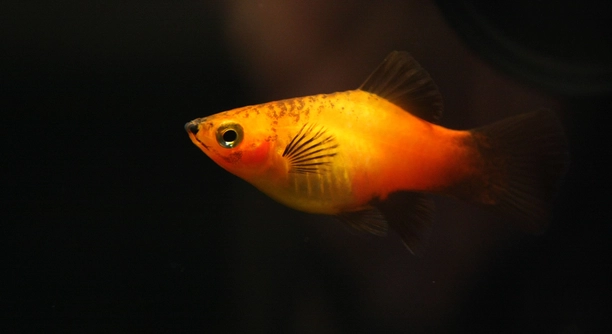
Platies are colorful and lively fish that many enjoy keeping in home aquariums. Knowing when your platy is ready to mate can help you care for them properly. This guide will highlight important signs to watch for in your fish.
Seven key signs indicate a platy’s readiness to mate, including changes in behavior, coloration, and physical features. Recognizing these signs allows for better breeding management and promotes the health of both the parents and offspring.
Understanding these signs can improve your experience with breeding platies and help maintain a healthy aquarium environment.
Increased Activity and Restlessness
When platies are ready to mate, you will notice a clear increase in their activity levels. They tend to swim around more quickly and frequently. This restlessness is often because males are actively searching for females to court. You may see males chasing females around the tank, sometimes nudging or circling them. Females, on the other hand, might seem more alert and responsive to the males’ advances. This change in behavior usually starts several days before mating happens. Observing this can help you prepare the tank for breeding and make sure the environment is suitable. A calm and healthy tank encourages better chances for successful mating.
This increased movement is an important behavioral sign and shows that your platies are ready to reproduce.
Monitoring activity can also alert you if any fish are stressed or sick, so it is good to keep an eye on their behavior during this time.
Color Changes
Color changes are another clear indication that a platy is ready to mate. Males often display brighter and more vivid colors during the mating period. Their fins and body may become more vibrant to attract females. Females can also show subtle changes, such as a slight darkening near their abdomen, signaling pregnancy preparation. These color shifts make it easier to identify which fish are involved in mating behavior. The intensity of colors varies among different platy varieties but is generally noticeable to the eye. These changes are natural and temporary, lasting until after mating is complete. Paying attention to these signs can help in identifying the best time to separate the pregnant female if needed to protect the fry. Proper lighting and tank conditions also enhance color visibility and fish health during this stage.
Swelling of the Female’s Abdomen
A swollen abdomen in female platies is a clear sign that they are ready to mate or already pregnant. This swelling happens as the eggs develop inside her body.
The swelling grows gradually and becomes more noticeable over time. It usually appears rounded and full near the belly area. This is a natural sign that the female is carrying eggs or fry. Watching this closely helps you prepare for the birth and plan how to care for the fry. Sometimes, the swelling may look uneven, but this is normal. If the swelling seems painful or the fish acts lethargic, it might indicate health issues, and extra care would be needed.
Proper tank conditions, including clean water and a balanced diet, support the female during this stage. If you want to increase survival chances for the fry, you may want to provide a separate breeding tank once the swelling is obvious.
Male Display and Behavior
Males become more visible and active when they want to mate. They will show off their colors and fins to attract females.
Males often swim close to females, sometimes nudging or circling them to get their attention. They may also spread their fins wide and perform quick movements, signaling their readiness. This behavior is part of courtship and can last for several days before mating occurs. It’s a natural way males compete for females’ interest and show their fitness. If you notice a male losing color or becoming less active, it might mean he is not healthy or ready yet. Keeping multiple males in the tank can sometimes lead to competition and stress, so monitoring their interactions is important for a peaceful environment. Providing enough hiding spots and plants can help reduce aggression during this period.
Mating Dance and Chasing
Platies perform a distinct mating dance that involves chasing and circling. This behavior helps strengthen the bond between the male and female before mating.
The male swims quickly around the female, showing off his fins and colors. This chasing can last several minutes and repeats often during the mating period.
Gonopodium Development
Male platies develop a specialized fin called the gonopodium, which is used for mating. This fin becomes more pronounced and pointed when they are ready to reproduce.
The gonopodium replaces one of the male’s anal fins and helps transfer sperm to the female during mating. Its development signals sexual maturity and readiness. Regular observation of this fin helps identify mature males in your tank.
Nesting Behavior
While platies do not build nests, females may seek out specific hiding spots before giving birth. This behavior helps protect their young.
How long does it take for a platy to mate?
Platies usually mate quickly once the male and female are ready. The actual mating process can take just a few seconds to a couple of minutes. However, courtship behaviors like chasing and displaying colors may happen over several days before mating occurs. The female will then carry the fertilized eggs inside her for about 24 to 30 days before giving birth to live fry. This gestation period can vary slightly depending on water temperature and tank conditions. Warmer water usually speeds up the process, while cooler water may slow it down.
Can platies mate without a male present?
No, female platies cannot produce offspring without a male. Platies are livebearers, meaning the male must fertilize the female’s eggs internally. Without a male, females will not become pregnant or give birth. If you want baby platies, you need at least one healthy male and one female in the tank. Sometimes, one male can mate with multiple females, so you don’t need many males. But having more males can cause competition and stress. If you keep only females, they will remain non-pregnant.
How can I tell if my platy is pregnant?
Pregnancy signs in female platies include a swollen abdomen, especially near the belly area, and a dark spot called the gravid spot near the rear of the abdomen. This spot becomes darker as the pregnancy progresses and is easier to see in lighter-colored fish. The female may also become less active and look for hiding places. Swelling is gradual and more noticeable as the fry develop. If you notice these signs, it’s a good idea to prepare a separate breeding tank or provide plenty of plants and cover to protect the fry once born.
Do platies need special care when mating?
Platies don’t need very special care to mate, but a clean and well-maintained tank helps improve their health and breeding success. Providing a balanced diet with quality flakes, pellets, and live or frozen foods can boost their readiness to mate. Stable water conditions and temperatures between 72 and 78°F support healthy development. It’s also helpful to reduce stress by limiting sudden changes and keeping tankmates peaceful. Once the female shows pregnancy signs, consider separating her to prevent other fish from eating the fry.
How many fry can a platy have at once?
A single female platy can give birth to between 20 and 50 fry at a time, although this number varies depending on the female’s age, health, and size. Younger or smaller females may have fewer fry, while older or larger females often have more. The fry are born fully formed and free-swimming. They need hiding spaces to survive, as adult fish might eat them. Providing dense plants or breeding boxes can increase fry survival rates.
When should I separate the pregnant female from other fish?
It’s best to separate the pregnant female once her abdomen is noticeably swollen and the gravid spot is clear. This usually happens a few days before she gives birth. Separating her prevents other fish from chasing or stressing her and protects the newborn fry from being eaten. A small breeding tank or a tank divider works well. Keep the water clean and feed the female well during this time. After birth, it’s important to remove the female or the fry to avoid predation.
Can platies mate with other fish species?
Platies generally do not mate with other species. They tend to mate only within their own species or very close relatives in the same genus, like swordtails. Crossbreeding with other species is rare and usually requires controlled breeding in captivity. Mixing platies with unrelated fish species will not result in offspring. It’s best to keep platies with compatible tankmates that won’t harm or stress them during breeding. Proper species selection helps maintain healthy and safe breeding conditions.
What should I feed my platies during mating and pregnancy?
Feeding a high-quality, varied diet supports platies during mating and pregnancy. Include flakes or pellets designed for livebearers, supplemented with live or frozen foods like brine shrimp, daphnia, or bloodworms. These provide extra protein needed for egg and fry development. Feeding small amounts multiple times a day helps maintain their energy without polluting the tank. Avoid overfeeding to keep water quality high. Fresh vegetables, like blanched spinach or peas, can also provide vitamins and fiber. Proper nutrition promotes healthy fry and smooth pregnancies.
When caring for platies, knowing the signs that they are ready to mate can make a big difference in how well you manage their breeding. Paying attention to their behavior, color changes, and physical features helps you understand when they are prepared to reproduce. This knowledge can improve the health of both the adult fish and their offspring. Preparing your tank ahead of time and maintaining good water conditions will support successful mating and reduce stress for the fish. By recognizing these signs early, you can create a better environment for platies to thrive and multiply.
Breeding platies is not very difficult, but it does require some care and attention. Female platies show clear signs when they are pregnant, such as a swollen belly and a dark gravid spot. Males become more active and show off their colors to attract females. Watching for these behaviors helps you know when mating is happening and when to take steps like separating the pregnant female to protect the fry. Feeding your platies a balanced diet and keeping the tank clean are important parts of helping them stay healthy through mating and pregnancy. With simple care, you can enjoy seeing new baby platies grow and develop in your aquarium.
It is important to keep in mind that every platy is unique, and breeding results may vary. Some fish might show clear signs of readiness quickly, while others take more time. Being patient and observant allows you to respond to your fish’s needs properly. Avoid rushing the process or making sudden changes in the tank, as this can cause stress. Providing a peaceful, stable environment and paying attention to the signs discussed will help your platies breed successfully. With care and understanding, you can enjoy the rewarding experience of watching your platy population grow naturally.

Hello,
If you enjoy the content that we create, please consider saying a "Thank You!" by leaving a tip.
Every little bit helps us continue crafting quality advice that supports the health, happiness, and well-being of pets around the world, for pets of all shapes, sizes, and species.
We really appreciate the kindness and support that you show us!