
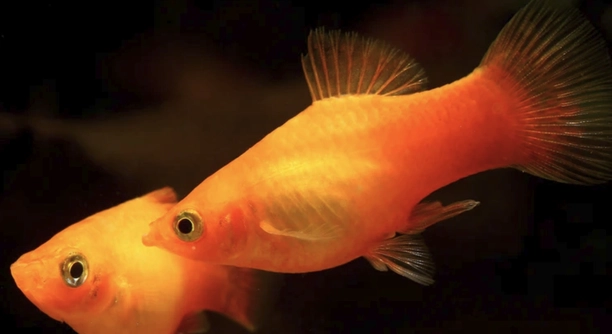
Is your platy tank showing signs that something might be wrong with the temperature? Keeping the water at the right heat level is important for the health of your fish. Overheating can cause stress and harm to your platys.
An overheated platy tank often has water temperatures above 78°F (25.5°C), which can lead to rapid fish breathing, lethargy, and unusual swimming patterns. These symptoms indicate stress caused by excessive heat and require prompt attention to avoid health issues.
Recognizing these signs early helps protect your fish and maintain a balanced tank environment for their well-being.
Signs Your Platy Tank Is Overheated
When a platy tank gets too warm, you might notice some clear signs. The water temperature often rises above the recommended range, causing the fish to act differently. They may swim near the surface more often, trying to get oxygen. Their breathing might become faster, and they can seem sluggish or hide more than usual. You might also see the water quality change quickly, with algae growth increasing or the water looking cloudy. These are all signals that the tank’s heat is stressing your fish. Keeping a close eye on these behaviors is important because platys need stable temperatures to stay healthy. If left unchecked, overheating can lead to illness or even death.
Fish that breathe rapidly and appear lethargic are clear indicators of an overheated tank. Immediate action is necessary to avoid worsening their condition.
Understanding these signs helps you respond quickly, ensuring your platys remain comfortable and healthy in their home.
Causes of Overheating in Platy Tanks
High room temperature and direct sunlight are common causes of overheating in a platy tank. If the tank is placed near a window or a heat source, the water temperature can rise quickly. Also, using a heater without a proper thermostat or setting it too high can cause overheating. Poor water circulation worsens the problem by trapping heat. Overfeeding the fish and not performing regular water changes can also contribute to increased water temperature and poor tank conditions. It’s important to monitor both the environment around the tank and the equipment inside it. Making small adjustments, like moving the tank to a cooler spot or checking the heater settings, can prevent the temperature from getting too high.
Proper placement and regular monitoring of the tank environment are key to preventing heat issues.
Keeping your platy tank cool requires attention to several factors. Avoid placing the tank near windows or heat sources. Use a reliable heater with an adjustable thermostat to maintain stable temperatures. Regular water changes improve circulation and remove excess heat. Adding a small fan or aquarium chiller can help on very hot days. Avoid overcrowding the tank, as more fish can increase water temperature. Keeping the filter clean ensures good water flow, which prevents heat buildup. Watching the weather and adjusting care during summer months helps maintain a safe environment. These steps work together to keep your platy tank at a comfortable temperature, supporting the health and happiness of your fish.
How to Lower the Temperature in Your Platy Tank
Lowering the temperature starts with improving airflow around the tank. Moving the tank away from direct sunlight or heat sources also helps. Simple changes can make a big difference quickly.
Using a fan directed at the tank surface helps cool the water through evaporation. You can also partially cover the tank to reduce sunlight exposure. If you have an aquarium chiller, use it on hotter days. Adding frozen water bottles or ice packs wrapped in cloth can temporarily lower the temperature but avoid sudden drops to prevent stressing your fish. Frequent water changes with cooler water are effective but should be done carefully to keep the temperature stable. These methods, combined, help maintain a safe environment for your platys without risking shock or stress.
Keeping the water moving helps prevent heat pockets. Make sure your filter and pump are working well to support this. Avoid overcrowding, as too many fish produce extra heat. Monitor the temperature regularly to adjust your cooling efforts as needed.
Equipment to Monitor and Control Temperature
A reliable thermometer is essential for tracking water temperature accurately. Digital thermometers with alarms can alert you when the temperature goes beyond safe limits. Using a heater with a built-in thermostat prevents overheating by maintaining set temperatures automatically. In hot climates, an aquarium chiller is a good investment to keep water cool consistently. Regularly check and maintain all equipment to avoid malfunctions that could lead to temperature spikes. Automatic controllers connected to heaters and chillers provide better control over the tank’s environment. Investing in good monitoring and control tools simplifies tank management and ensures your platys stay healthy through temperature changes.
Effects of Overheating on Platies
Overheating causes stress that weakens platys’ immune systems. They become more vulnerable to diseases and infections. Prolonged heat exposure can lead to organ failure and death.
Behavioral changes include erratic swimming and hiding. Platys may stop eating or become lethargic, signaling serious health risks from high temperatures.
Ideal Temperature Range for Platy Tanks
Platys thrive best in water temperatures between 72°F and 78°F (22°C to 25.5°C). Maintaining this range supports healthy metabolism and normal activity levels. Temperatures outside this range cause stress and health problems. Regular temperature checks are essential to keep the tank safe for your fish.
Preventing Overheating in Summer
During warm months, increase water changes to cool the tank naturally. Use shading or move the tank away from windows. Avoid overfeeding to reduce excess heat from decomposition.
Signs to Watch in Overheated Tanks
Look for gasping at the surface and faded colors. These signs mean the tank needs immediate cooling to protect your platys.
FAQ
How can I quickly cool down my overheated platy tank?
To cool your tank quickly, start by moving it out of direct sunlight and away from heat sources. Use a small fan directed at the water surface to increase evaporation, which helps lower the temperature. You can also perform partial water changes with cooler, conditioned water. Adding wrapped ice packs or frozen water bottles can help temporarily, but do this slowly to avoid shocking your fish. Ensure good water circulation by cleaning and maintaining your filter and pump. Avoid sudden temperature drops, as platys are sensitive to rapid changes.
What is the safest temperature range for platys?
Platys do best between 72°F and 78°F (22°C to 25.5°C). Staying within this range supports their health and activity. Temperatures consistently above 78°F can cause stress, weaken their immune system, and increase the risk of disease. Temperatures below 68°F can slow their metabolism and cause lethargy. Regular monitoring helps keep your tank stable and comfortable for your fish.
What are the signs my platys are stressed from heat?
Stress from heat shows in behaviors like rapid gill movement, gasping at the surface, hiding, and lethargy. Platys may lose their vibrant colors or stop eating. Erratic swimming or staying near the tank’s top where oxygen is higher are common signs. If you see these behaviors, check the temperature immediately and take steps to cool the tank.
Can overheating cause diseases in platys?
Yes, overheating weakens platys’ immune systems, making them more susceptible to infections like ich, fin rot, or fungal growth. Warm water also encourages harmful bacteria and parasites to multiply faster. Maintaining proper temperature and clean water reduces these risks. If you notice signs of illness, address the temperature and treat the tank as needed.
How often should I check my tank’s temperature?
Daily temperature checks are ideal, especially during hot weather or if you don’t have an automatic monitoring system. Use a reliable thermometer placed inside the tank. Digital thermometers with alarms provide quick alerts if temperatures stray outside the safe range. Consistent monitoring helps prevent problems before they become serious.
Is it okay to use a heater and chiller together?
Yes, using both a heater and a chiller can help maintain a stable temperature in climates with extreme changes. The heater warms the tank when it’s cold, while the chiller cools it when it’s hot. Both should have thermostats to regulate temperature precisely. Proper setup prevents wide fluctuations that stress your platys.
What causes sudden temperature spikes in a platy tank?
Sudden spikes often happen from placing the tank near windows or heat sources, malfunctioning heaters, or poor water circulation. Overcrowding and excessive lighting can also raise water temperature. Checking equipment regularly and adjusting the tank’s location helps prevent these spikes.
Can I use tap water to lower my tank’s temperature?
Tap water can be used, but it must be treated to remove chlorine and harmful chemicals. Use a water conditioner before adding it to the tank. Also, make sure the new water’s temperature is close to the tank’s to avoid shocking your fish. Gradual water changes with conditioned, cooler water help reduce heat safely.
How much water should I change to cool the tank?
Changing 20-30% of the water with cooler, treated water is a good starting point. Larger changes can cause temperature swings and stress. Frequent smaller water changes during hot days are safer and effective in gradually lowering temperature.
Can plants help control tank temperature?
Live plants provide shade and reduce light exposure, which can help lower water temperature slightly. Floating plants are especially useful for blocking sunlight. However, plants alone won’t solve overheating problems. They should be part of a broader strategy including airflow and temperature control.
What is the best placement for a platy tank to avoid overheating?
Place the tank in a cool, shaded area away from direct sunlight, windows, heaters, or air vents. Avoid areas with fluctuating temperatures like near kitchen appliances or heating units. A stable environment helps keep the water temperature consistent and prevents heat buildup.
How does overfeeding affect tank temperature?
Overfeeding causes leftover food to decompose, which increases biological activity and raises water temperature. It also harms water quality, making the tank less healthy. Feed your platys only what they can eat in a few minutes, and remove uneaten food promptly to avoid this problem.
Are all platys equally sensitive to heat?
Different platy species and individual fish can vary slightly in heat tolerance, but most thrive in similar temperature ranges. Young or sick platys tend to be more sensitive to overheating. It’s best to maintain stable, moderate temperatures for all platys to avoid stress.
Can I use ice cubes to cool the tank quickly?
Ice cubes should be avoided because they can cause sudden temperature drops that shock your fish. Instead, use frozen water bottles wrapped in cloth for a gentler cooling effect. Always make changes slowly to keep platys safe.
How does water circulation affect temperature control?
Good water circulation helps distribute heat evenly, preventing hot spots. It also improves oxygen exchange at the surface, which helps fish breathe better in warmer water. Regularly clean filters and pumps to ensure proper flow and better temperature management.
Keeping your platy tank at the right temperature is very important for the health of your fish. Platys are sensitive to changes in water temperature, especially when it gets too hot. Overheating can cause stress and lead to illness, which makes it harder for them to survive and thrive. By paying close attention to the water temperature and the signs your fish show, you can make sure they stay comfortable and healthy in their tank.
There are many ways to prevent your platy tank from overheating. Simple steps like moving the tank away from sunlight or heat sources and using fans or chillers can help keep the water cool. Regular water changes and good tank maintenance improve water quality and temperature stability. It’s also important to use reliable equipment, such as heaters with thermostats and accurate thermometers, to monitor and control the temperature effectively. Small changes made early on can save your fish from serious problems later.
Remember that keeping platys healthy is a balance between many factors, and temperature is just one of them. Watching your fish’s behavior, maintaining good water quality, and providing proper care will create a stable environment for them. Taking time to understand the needs of your platys and acting quickly if problems arise can prevent many common issues caused by overheating. With steady care and attention, your platy tank can be a safe, happy home for your fish.

Hello,
If you enjoy the content that we create, please consider saying a "Thank You!" by leaving a tip.
Every little bit helps us continue crafting quality advice that supports the health, happiness, and well-being of pets around the world, for pets of all shapes, sizes, and species.
We really appreciate the kindness and support that you show us!