
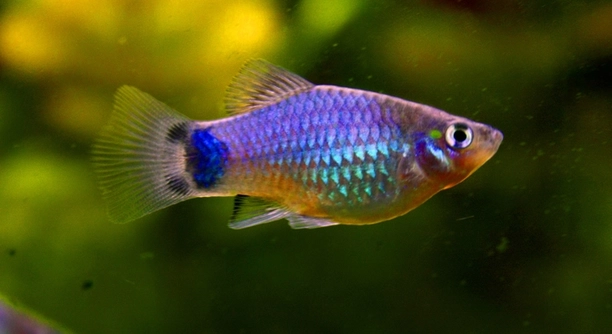
Are your normally active platies suddenly hiding more or acting a little off? Small behavior shifts can sometimes mean something more serious is going on beneath the surface.
Platies often show early signs of illness through subtle changes in appearance, behavior, and activity level. Noticing these clues early can help prevent the illness from getting worse and increase the chance of successful treatment.
Learning how to recognize these signs can make a big difference in your fish’s overall health and well-being.
Loss of Appetite
A platy that suddenly stops eating or shows less interest in food may be showing early signs of illness. Healthy platies are usually active during feeding times and will swim eagerly to grab flakes or pellets. If your fish stays near the bottom or hides instead of eating, it’s worth paying attention. Sometimes, poor water quality, stress from tank mates, or sudden changes in temperature can lead to a loss of appetite. It’s also possible your fish may be dealing with internal parasites or a bacterial issue. Even if other behaviors seem normal, skipping meals is never something to ignore. Check the tank parameters first, and make sure the food isn’t expired or contaminated. A slow reaction at feeding time can signal that something’s starting to go wrong, even if the symptoms seem small. Catching it early can help prevent more serious problems from developing later on.
Keep track of any eating patterns and changes in appetite across a few days.
If your platy continues refusing food, it’s important to check for additional symptoms. Pairing a poor appetite with lethargy, faded color, or bloating can help narrow down what might be going wrong. Make sure the tank is cycled, and look for signs of stress. Sometimes isolating the fish in a quarantine tank can help you better observe its condition without interference from others. You can also try offering more appealing foods like frozen bloodworms or brine shrimp to test if your fish reacts better to them. If that fails, consider contacting a vet who specializes in fish. The sooner you respond, the better your fish’s chances of recovery. A small shift in feeding behavior might seem unimportant, but it can quickly develop into something more serious if ignored. Keeping a clean, stable tank environment is the best foundation to avoid appetite issues in the future.
Faded or Pale Coloration
Platies are naturally vibrant, and any fading or dullness is usually a sign something is wrong.
When a platy starts to lose its color, it often signals stress or illness. Bright colors are a sign of health, and dull, faded tones can point to poor water conditions, low oxygen levels, or internal problems like infections or parasites. Stress can also be caused by bullying tank mates, overcrowding, or sudden changes in the environment. A stressed fish may also hide more often or breathe rapidly. Faded colors don’t always mean illness, but they’re a good reason to investigate further. It’s best to test your water for ammonia, nitrites, and nitrates, and make sure your filtration system is working properly. Color changes are sometimes the first symptom before others appear. Look closely for any other changes in behavior or body shape, such as clamped fins or labored swimming. If you suspect illness, remove the fish to a separate tank for closer observation.
Unusual Swimming Patterns
If your platy starts swimming sideways, staying near the surface, or struggling to maintain balance, something may be wrong. These changes often point to internal issues like swim bladder problems or a possible infection.
Swim bladder disorder can affect a fish’s ability to control its buoyancy. It may look like your platy is floating awkwardly, sinking, or struggling to swim straight. This can be caused by overfeeding, constipation, or bacterial infection. Sometimes, gulping too much air during feeding can also contribute. Affected fish might also isolate themselves or appear distressed. Try feeding a cooked, skinned pea (cut into tiny pieces) to relieve constipation. Reduce food for a few days and monitor if things improve. If symptoms continue, the issue might be more serious and need medication. Clean water and a proper diet help prevent this from happening in the first place. Avoid overfeeding and maintain a regular tank cleaning schedule.
Erratic swimming can also be a sign of external parasites, chemical irritation, or neurological issues. You might notice the fish rubbing against decorations or darting quickly without a clear reason. This behavior is usually a response to discomfort or irritation. Test your water to rule out ammonia or pH spikes, and observe whether any other fish are acting the same. Introducing new fish without quarantine can lead to parasites spreading quickly. If one platy shows symptoms, it’s possible others are affected too. Remove any aggressive fish that could be causing stress. If water and diet checks don’t solve the issue, consider using a general parasite treatment. Act quickly, because when swimming issues appear, they usually mean your platy’s health is already declining. Recovery is possible if you catch and treat the problem early.
Clamped Fins
Clamped fins—where the fins are held tightly against the body—are a clear sign your platy isn’t feeling well. This behavior usually shows up alongside stress, discomfort, or the early stages of illness.
Fish keep their fins open when they’re comfortable and healthy. When a platy clamps its fins, it’s usually reacting to poor water quality, temperature swings, or internal issues. It may also be a response to parasites or external irritation. Start by checking the water parameters, especially ammonia and nitrite levels. Rapid changes in temperature can also trigger this behavior, so make sure your heater is stable and accurate. If water conditions are in good shape, observe the fish closely for other symptoms like scratching, bloating, or fading color. Clamped fins often appear before more serious signs develop. Don’t ignore it just because it seems minor. Early treatment can make a big difference.
Clamped fins may also occur when a fish feels threatened or overwhelmed. If your tank is overcrowded or has aggressive fish, your platy might not feel safe. Constant stress wears the immune system down and makes illness more likely. Use decorations or plants to create hiding spaces, which can help your fish feel secure. If a specific fish is bullying others, consider rehoming it or using a tank divider. If you’ve recently introduced new fish, watch for any sign of disease spreading. Quarantine new fish whenever possible. Sometimes clamped fins are the only visible sign before your platy becomes lethargic or stops eating. Acting early, even when symptoms seem small, gives your fish a better chance to recover. Adjusting the tank setup, testing water, and treating with mild medication (if needed) can often resolve the issue before it worsens.
Staying Isolated or Hiding
When a normally social platy starts hiding more often or stays in one spot, it could be a sign something is off. Sick fish tend to separate themselves from the group and avoid normal activity.
This behavior often appears before other symptoms show. It can signal discomfort, stress, or infection.
Rapid Gill Movement
If your platy is breathing fast or showing rapid gill movement, it may be struggling to get enough oxygen. This can be caused by poor water quality, high ammonia levels, or low oxygen in the tank. Check your filter and air pump to ensure water is well-circulated and oxygenated. Warm water holds less oxygen, so keep the temperature steady and avoid overcrowding. Gasping near the surface is another sign that the fish needs more oxygen or is dealing with gill parasites. Rapid gill movement can also point to internal issues or irritation from toxins. Test the water and act quickly to fix any imbalances.
White Spots or Fuzzy Patches
Small white spots or fuzzy growths on the body or fins often point to ich or a fungal infection. These conditions can spread quickly and should be treated as soon as possible.
FAQ
What’s the first thing I should do if I think my platy is sick?
Start by checking your water parameters. Poor water quality is often the reason fish become sick. Use a reliable test kit to check ammonia, nitrite, nitrate, and pH levels. If something is off, do a partial water change right away. Make sure the water temperature is stable and appropriate for platies—usually between 72–78°F (22–26°C). If water conditions are fine, observe the fish closely for specific symptoms like clamped fins, rapid breathing, white spots, or changes in appetite. Separate the fish if you think it’s contagious or being bullied.
How can I tell if it’s stress or illness?
It can be hard to tell the difference because they share similar signs. Stress is usually caused by sudden changes, such as new tank mates, poor water conditions, or overcrowding. If your fish is hiding, swimming strangely, or refusing to eat but doesn’t have visible marks or signs of disease, stress may be the reason. Illness often includes physical symptoms like bloating, white spots, faded color, or rapid gill movement. Watch your fish closely for at least 48 hours. If it worsens or other symptoms show up, it’s likely illness and may require treatment.
Can platies recover from being sick?
Yes, many platies can recover if the problem is caught early. Clean water, a stable tank environment, and proper treatment make a big difference. Mild illnesses like early ich or constipation can often be reversed without strong medication. More serious conditions might need targeted treatments, but recovery is possible. The key is acting fast when you see the first warning signs. Waiting too long can lower their chances. Also, avoid overmedicating—make sure the treatment matches the symptoms and doesn’t harm other fish in the tank.
Is it necessary to quarantine a sick platy?
Quarantining helps a lot, especially if the issue might be contagious. Moving a sick platy to a smaller tank lets you treat it without affecting the others. It also reduces stress by removing aggressive tank mates and keeps the main tank cleaner. A basic quarantine setup should have a heater, filter, and hiding spots. Keep the water clean and observe the fish for changes. If you don’t have a second tank, consider using a tank divider or treating the whole tank if the problem spreads.
What should I feed a sick platy?
Sick platies may ignore food, but offering the right kind can help them recover. Try soft, easy-to-digest options like frozen or live foods—bloodworms, daphnia, or brine shrimp. These are often more tempting than flakes. For constipation, offer small pieces of blanched, skinned peas. Avoid overfeeding, and remove uneaten food to keep the water clean. Once your platy starts eating again, slowly return to a balanced diet of high-quality flakes or pellets. A vitamin-enriched food can also support recovery.
How do I prevent my platies from getting sick again?
Keep the water clean and the environment stable. Do regular water changes (about 25% weekly), avoid overcrowding, and monitor for sudden temperature swings. Feed them a varied, nutritious diet. Quarantine new fish before adding them to the main tank. Watch for signs of bullying and give fish hiding spaces. A well-maintained tank reduces stress and lowers the risk of future illness. Prevention is easier than treatment, and small steps like testing your water weekly can make a big difference.
Are all sick platies contagious to other fish?
Not always, but some illnesses—like ich or fin rot—can spread quickly. That’s why it’s important to act fast and, if possible, isolate the sick fish. If the illness is caused by internal problems like swim bladder disorder or constipation, it usually won’t affect the others. Still, stress or poor water can weaken every fish, making them more likely to get sick too. If more than one fish is acting strangely, assume it might be spreading and treat the tank accordingly. Keep a close eye on all your fish during this time.
Final Thoughts
Taking care of platies means paying close attention to small changes. These fish are generally easy to care for, but they can still get sick when their environment isn’t right or when stress levels get too high. Most early signs of illness are easy to miss if you’re not watching closely. Things like not eating, staying hidden, or swimming oddly might not seem serious at first, but they can be early warnings. Catching these signs early gives your fish the best chance to recover. Being consistent with your tank care routine helps prevent problems before they start.
A clean tank with stable water conditions is the most important step in keeping your platies healthy. Make sure the tank isn’t overcrowded, and do regular water tests to catch any changes quickly. Use a good filter, keep the water temperature steady, and feed your fish a mix of quality foods. Avoid sudden changes in their environment, and quarantine new fish before adding them to the main tank. These small steps make a big difference in your fish’s overall well-being. Healthy platies are active, social, and bright in color, so any difference from that is worth looking into.
Watching your fish daily helps you spot when something isn’t right. It can be as simple as noticing they aren’t coming up for food like usual or are spending more time hiding. These subtle signs often show up before the illness gets worse. If you act early and adjust things like diet or water quality, you can often stop the issue before it becomes serious. It’s also okay to ask for help when needed. Talking to someone at a pet store or finding a vet who knows about fish can make a difference. Caring for platies isn’t hard, but it does take regular effort and a bit of attention. Over time, you’ll get to know what looks normal and what doesn’t, and that knowledge helps you keep your fish healthy for the long run.

Hello,
If you enjoy the content that we create, please consider saying a "Thank You!" by leaving a tip.
Every little bit helps us continue crafting quality advice that supports the health, happiness, and well-being of pets around the world, for pets of all shapes, sizes, and species.
We really appreciate the kindness and support that you show us!