
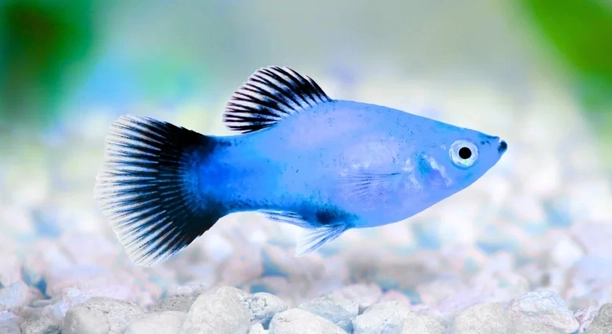
Have you ever looked into your aquarium at night and noticed your platy fish barely moving near the bottom or floating still among the plants?
Platies do sleep, though not in the same way humans do. They enter a restful state where they become less active, usually during the night, often hovering near the tank floor or hiding in decorations.
Learning how to spot these restful moments can help you better care for your platies and understand their natural behavior.
How Platies Sleep and What It Looks Like
Platies don’t have eyelids, so it can be hard to tell when they’re sleeping. Instead of closing their eyes, they slow down their movement and rest near the bottom of the tank or among plants. Their colors may slightly fade, and they tend to stay still for longer periods than usual. You might notice they’re less responsive to activity around them. This is completely normal and a sign that your platy is resting. Sleep helps maintain their energy and keeps them healthy. Most of their rest takes place at night, especially in low-light or dark conditions, so keeping a regular light cycle in the tank helps. Avoid turning the lights on suddenly when the room is dark, as it may startle them. Soft lighting and a quiet environment at night will support their natural sleep habits. It’s a simple way to respect their need for rest and reduce stress.
Platies sleep lightly and can quickly become active again if disturbed, which is why it’s easy to miss their resting behavior.
If you see your platy motionless near the tank floor but still breathing and upright, they are most likely sleeping. Their gills will still move, and they won’t be tilted or floating oddly.
When Platies Sleep and What Affects Their Rest
Platies typically rest during the night when the lights are off. A consistent light schedule supports this behavior and helps regulate their natural rhythm.
Tank lighting plays a big role in their sleep cycle. Aim to provide about 12 hours of light and 12 hours of darkness each day. Too much light can stress your platies and affect their sleep patterns. Likewise, sudden changes in lighting—like switching from dark to bright in an instant—can cause confusion or distress. Make sure your tank has hiding spots, such as plants or decorations, where they can retreat during rest. Water quality also matters. Poor conditions can disrupt their rest or cause illness. A calm tank environment encourages healthy sleep, so avoid tapping the glass or loud sounds nearby during their resting time. Watching your platies rest can be a peaceful moment, and it’s a good sign that they feel safe. Keeping their tank setup steady and stress-free is key to supporting their natural sleep habits.
Signs Your Platy Is Sleeping
A sleeping platy will appear calm and still, often hovering in place or resting near the bottom of the tank. Their fins may move gently, and they’ll respond slowly to changes in the environment. Their colors might also look slightly duller than usual.
Platies tend to sleep during the night when the tank lights are off, but you might catch them resting during the day in shaded areas. They often stay close to plants, under decorations, or near the gravel. As long as they remain upright and their gills are moving normally, there’s usually nothing to worry about. If a platy seems unresponsive or tilted, it could signal a health issue rather than rest. A healthy platy will return to normal activity once the tank lights come on or the room becomes brighter. Light sleep is normal for them, and sudden movement nearby can quickly wake them up.
Healthy sleeping behavior is quiet and steady. Your platy won’t dart or twitch unless disturbed. They avoid open spaces during rest and often pick a safe, hidden spot. Keep the tank calm at night and avoid tapping the glass or loud noises. This peaceful environment allows your platies to recharge and helps reduce long-term stress and illness risks.
Differences Between Sleep and Illness
Platies that are ill often show signs like clamped fins, labored breathing, floating oddly, or sinking to one side. These are not normal sleeping positions and should be taken seriously. A sleeping platy stays upright and balanced.
It’s important to notice how long the stillness lasts. A sleeping platy will wake up once the lights are on or when the environment becomes active. In contrast, a sick platy may stay in one spot for hours and look weak, pale, or unbalanced. Check for other warning signs like a loss of appetite, white patches on the body, or swelling. Unusual swimming patterns or isolation from other fish could also point to illness. Sleep behavior is usually regular and tied to light cycles, while sickness causes changes that seem out of place. When in doubt, observe your fish’s movement, feeding habits, and physical appearance before deciding if it’s just sleep or something more serious.
How to Support Healthy Sleep in Platies
Keep a regular light schedule with around 12 hours of light and 12 hours of darkness. This helps platies rest properly and feel secure. Sudden light changes can disturb their sleep and cause unnecessary stress in the tank.
Add plants and hiding spots so platies have quiet areas to rest. Decorations, caves, or thick plants give them a place to feel safe while sleeping. A peaceful environment encourages healthy behavior and reduces the chance of sleep being interrupted.
What to Avoid During Their Rest Time
Avoid turning on bright lights suddenly or tapping the glass when the tank is dark. These actions can wake your platies too quickly and stress them out. Keep noise and movement around the tank to a minimum during nighttime hours.
Can Platies Sleep During the Day?
Yes, platies may rest during the day if the tank has shaded or quiet areas. It’s usually light sleep and doesn’t last long.
FAQ
Do platies need complete darkness to sleep?
No, platies don’t need complete darkness to sleep, but they do need low light and a calm environment. A dim or dark room helps signal that it’s time to rest. If there’s too much light for too long, they might not settle down. Use a timer on your aquarium light to give them a consistent light and dark schedule. That way, they can fall into a natural sleep rhythm. Some ambient room light won’t disturb them too much, but avoid shining any direct light into the tank during their resting hours.
Can platies sleep with the light on?
Platies might rest with the light on, but it’s not ideal. They usually sleep best in darker conditions. Leaving the light on for too long can confuse their day-night cycle and make them more restless or stressed. Over time, this may affect their overall health. Try to limit bright tank lighting to 10–12 hours a day. After that, switch it off so they know it’s time to settle. A natural routine makes it easier for them to rest and stay active during the day.
Do platies sleep at the bottom of the tank?
Yes, platies often sleep near the bottom of the tank or hover close to decorations or plants. This is normal and nothing to worry about if they’re upright and breathing gently. They look calm and still when resting, but they should respond if you slowly increase the light. If a platy is tilted, floating oddly, or lying sideways, that may be a sign of illness instead of rest. Healthy sleep usually involves being steady and balanced in the water.
How can I tell if my platy is just sleeping or something is wrong?
Look at their position and movement. A sleeping platy will hover or rest upright, breathe slowly, and react if the light changes or you move near the tank. If your platy doesn’t respond at all, is lying sideways, or shows signs like clamped fins or heavy breathing, they may be sick. Also, check if they’re eating, swimming normally during the day, and interacting with other fish. If something feels off or the behavior lasts too long, it’s a good idea to test the water and watch for other signs of stress or illness.
Do baby platies sleep the same way as adults?
Baby platies also rest, but they tend to be more active and take shorter breaks. Since they’re growing quickly, they eat more often and move around a lot. You may see them pause or hover in place for brief moments, usually in shaded areas or behind plants. As long as they’re eating, swimming steadily, and don’t look distressed, their rest patterns are normal. Just make sure the tank stays peaceful and clean so they feel secure enough to rest when they need to.
Should I cover the tank at night to help platies sleep?
You don’t have to cover the tank unless there’s a lot of external light or movement in the room at night. If the tank is in a quiet, dark space, your platies should be fine. However, if there are strong lights or noise in the room while they’re trying to sleep, a light cloth or tank lid can help block that out. Just make sure it doesn’t restrict airflow or cause a temperature change. Keeping their space calm at night supports healthy sleep.
Is it okay if my platy sleeps during the day?
Yes, platies may rest during the day, especially if they feel safe or if the tank has shaded spots. It’s not unusual for them to take short breaks even when the light is on. This kind of light daytime rest is normal, especially after a big meal or if the tank is quiet. However, if a platy is inactive for long periods or doesn’t swim much when food is offered, keep an eye out for other symptoms that might point to stress or illness.
How long do platies sleep each day?
Platies don’t have a set sleep time like humans, but they generally rest when it’s dark—often for several hours at night. Their sleep is light, and they stay alert to what’s happening around them. If the tank is calm and the lighting is consistent, they’ll naturally fall into a routine. You won’t usually see them asleep for a long stretch, but they’ll have quiet periods where they’re less active and floating gently in one spot. A good tank setup helps support this natural rest cycle.
Final Thoughts
Platies are peaceful fish that enjoy a steady routine, and sleep plays a small but important part in keeping them healthy. While they don’t sleep like humans do, they still rest by slowing down their movement, staying still, and finding quiet spots in the tank. You may notice them near the bottom or resting among plants when the lights are off. Their behavior during this time is calm and natural. As long as they’re upright, breathing gently, and responsive when the environment changes, there’s usually nothing to be concerned about. Understanding how your platy rests can help you care for them better and avoid confusing sleep with signs of illness.
Creating a relaxing environment at night can make a big difference. A regular light schedule, soft lighting in the room, and a quiet space all support healthy rest. Try to keep the lighting on for 10–12 hours during the day and off at night to match a normal cycle. Adding plants and hiding spots gives your platies places to feel safe when they want to rest. Avoid loud noises and sudden changes in lighting during nighttime hours. These simple steps can help reduce stress and make your platies feel secure enough to sleep. It’s all about helping them follow a rhythm that matches their natural habits.
When something seems off, like your platy lying on its side, not reacting to light, or staying in one spot for too long during the day, it’s worth taking a closer look. While sleep is normal, long periods of inactivity or odd behavior can point to a possible issue. Regular observation will help you notice the difference between normal rest and signs of illness. Paying attention to their movement, appetite, and overall behavior can go a long way in keeping them healthy. Platies are generally hardy and easy to care for, and with the right setup, they’ll rest comfortably and stay active during the day. Sleep might not always be easy to spot in fish, but it’s part of what keeps your aquarium balanced and peaceful.

Hello,
If you enjoy the content that we create, please consider saying a "Thank You!" by leaving a tip.
Every little bit helps us continue crafting quality advice that supports the health, happiness, and well-being of pets around the world, for pets of all shapes, sizes, and species.
We really appreciate the kindness and support that you show us!