
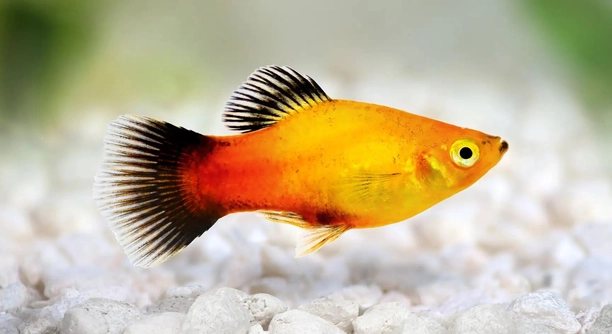
Platies are popular freshwater fish known for their peaceful nature and vibrant colors. Many fish owners wonder how external factors, like loud music, affect their behavior and well-being. Understanding their reactions helps maintain a healthy environment.
Platies generally show mild stress responses to loud music, such as increased swimming activity or hiding. Prolonged exposure to loud noise can disrupt their normal behavior and impact their health, making a quiet tank environment preferable for their welfare.
Learning how platies respond to noise can improve care practices. This article highlights key observations to support their comfort and happiness in home aquariums.
How Loud Music Affects Platies’ Behavior
Loud music can cause platies to exhibit signs of stress. They may swim faster or more erratically than usual. Some platies might try to hide behind plants or decorations in the tank. These reactions indicate discomfort caused by the noise. Stress in fish can lead to weakened immune systems and make them more prone to illness. It is important to observe your platies closely when playing music near their tank. Sudden loud sounds might startle them, while consistent loud noise can disturb their natural behavior patterns. Creating a calm and stable environment is key to keeping platies healthy. Providing plenty of hiding spots helps reduce their stress. If you notice persistent agitation, lowering the volume or turning off the music around the tank can improve their well-being. Quiet surroundings support peaceful and natural fish behavior.
Reducing noise near the tank helps maintain platies’ calm and supports their long-term health.
Many fish owners do not realize that sound travels through water more efficiently than air, which means loud music near the tank can be very intense for platies. Unlike humans, fish rely on their lateral line system to detect vibrations and changes in water movement. Loud sounds can cause constant stimulation, which is exhausting and stressful. Over time, this may reduce feeding, disrupt breeding, and weaken the fish’s immune response. Adjusting the tank’s location or adding soundproofing materials around it can help. Consistent noise can cause platies to become less active or hide more often. Maintaining a low-noise environment allows them to thrive naturally. Understanding how sound affects aquatic life is essential for responsible fish care.
Signs of Stress in Platies
Stress in platies is often shown by changes in behavior, such as frantic swimming or hiding.
Recognizing stress signs early helps prevent health issues. Watch for dull colors, lack of appetite, or clamped fins. These symptoms suggest the fish is not comfortable and needs a quieter space. Creating a peaceful environment will encourage natural activity and better health.
Creating a Quiet Environment for Platies
Keeping the tank in a quiet area helps minimize stress for platies. Avoid placing it near speakers or noisy appliances.
A calm environment reduces excessive stimulation from loud noises, helping platies feel secure. Using soft background music at a low volume or no music at all is best. Adding plants and decorations offers hiding places, further reducing stress. The tank should be away from heavy foot traffic or household noise that can cause sudden vibrations. Even small noises can affect sensitive fish over time. Taking these simple steps helps maintain a peaceful habitat where platies can thrive naturally and display normal behavior.
Noise control also benefits other tank inhabitants. Quiet surroundings create a balanced ecosystem. Monitoring fish behavior regularly confirms that the environment supports their health and comfort. Consistency is important; sudden loud sounds can negate quiet efforts. Providing a stress-free space encourages feeding, breeding, and overall vitality in your platies.
Using Sound to Enhance Fish Well-being
Some gentle sounds can positively affect fish behavior if used thoughtfully and at low volumes.
Calm, soft music or natural water sounds may reduce stress in platies without causing agitation. These sounds mimic a quiet natural habitat and can mask occasional household noises. However, sound levels should remain low to avoid overstimulation. Sudden loud noises or heavy bass vibrations can be harmful. Observing how your platies respond to gentle sound helps determine what works best. Using sound as a subtle background element rather than a constant loud presence benefits fish well-being and encourages peaceful tank activity.
Monitoring Your Platies’ Reaction to Noise
Observe your platies closely when music is playing nearby. Look for changes in swimming or hiding behavior.
If platies appear restless or stop eating, the noise may be too loud. Adjust the volume or move the tank to a quieter spot.
Effects of Prolonged Noise Exposure
Long-term exposure to loud sounds can cause chronic stress in platies. This weakens their immune system, making them more vulnerable to diseases. Chronic stress also disrupts normal behaviors like feeding and breeding. Consistent noise can lead to lethargy or aggression. Reducing noise exposure improves their overall health and promotes natural behavior.
Choosing the Best Location for Your Tank
Place the tank in a low-traffic, quiet room to minimize stress from external noise and vibrations.
FAQ
How loud is too loud for platies?
Platies are sensitive to loud noises because sound travels well through water. Sounds above 70 decibels can cause stress. Everyday music played at moderate volumes is usually safe, but loud music or heavy bass near the tank should be avoided to protect their well-being.
Can platies get used to loud music over time?
While some fish might show slight tolerance, prolonged loud noise still stresses platies. They do not “get used to” loud music in the same way humans might. Continuous exposure can harm their health, so keeping noise levels low is best.
What signs show my platies are stressed by music?
Look for frantic or erratic swimming, hiding more than usual, loss of appetite, and faded colors. These behaviors indicate discomfort. Stress may also cause clamped fins or lethargy. Monitoring these signs helps you adjust the environment to keep platies calm.
Is background music safe for platies?
Soft background music at low volume is generally safe. Natural sounds like flowing water or gentle instrumental music can be calming. Avoid music with heavy beats or sudden loud changes, as these can startle or stress the fish.
How can I reduce noise near the fish tank?
Place the tank in a quiet room away from speakers, televisions, and busy areas. Use thick curtains, rugs, or foam panels to absorb sound. Adding plants and decorations inside the tank also dampens vibrations, creating a more peaceful habitat.
Does stress from loud music affect platies’ lifespan?
Yes, chronic stress weakens the immune system, making platies more prone to disease and reducing their lifespan. Providing a quiet environment supports long-term health and vitality.
Can other fish in the tank affect how platies react to noise?
Yes, more active or aggressive tank mates may increase stress levels in platies, especially when combined with loud sounds. Keeping compatible, peaceful species together helps reduce overall stress in the aquarium.
Are there any benefits to playing music for platies?
There is little evidence of direct benefits. However, gentle ambient sounds can mask sudden noises from the household, reducing sudden stress. Music should always be soft and non-disruptive.
What should I do if my platies seem stressed by noise?
Immediately lower the volume or move the tank to a quieter location. Increase hiding spots with plants or decorations to help them feel secure. Observe their behavior over several days to ensure they return to normal activity.
Is it better to have complete silence or some soft noise for platies?
Complete silence is not necessary, but constant loud or erratic noise should be avoided. Soft, steady sounds that mimic natural environments are best. Consistent quiet helps platies maintain normal behaviors without added stress.
Final Thoughts
Platies are delicate fish that respond strongly to their environment, including noise levels. Loud music and sudden sounds can cause them stress, which may affect their health and behavior. Keeping noise low and providing a calm atmosphere helps platies feel safe and comfortable in their tanks. It is important to consider how sound travels through water, as what may seem like a normal volume to humans can feel very loud and intense to fish. Creating a quiet and stable environment supports their natural behavior and promotes overall well-being.
Stress caused by loud noise can show in different ways. Platies may swim erratically, hide more, or lose interest in food. These signs should not be ignored, as prolonged stress weakens their immune systems and may lead to illness. Making simple changes, such as moving the tank away from speakers or turning down music volume, can greatly reduce these negative effects. Adding plants and decorations in the aquarium also provides hiding places, helping the fish feel secure during noisy times. Careful observation and quick adjustments are key to maintaining healthy platies.
Understanding how platies react to sound is part of responsible fishkeeping. While some gentle background noise might be acceptable, loud or continuous music is best avoided. Providing a quiet environment, especially during loud household activities, helps platies stay healthy and behave naturally. Paying attention to their responses and making necessary changes creates a better home for these fish. This care ensures they live longer, healthier lives and remain an enjoyable part of any aquarium setup.

Hello,
If you enjoy the content that we create, please consider saying a "Thank You!" by leaving a tip.
Every little bit helps us continue crafting quality advice that supports the health, happiness, and well-being of pets around the world, for pets of all shapes, sizes, and species.
We really appreciate the kindness and support that you show us!