
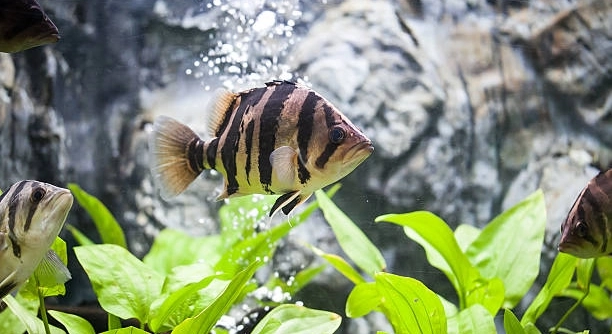
Your Tiger Barb swimming in fast circles might catch your attention during quiet aquarium moments. This behavior can seem unusual or even worrying for fish owners who want their pets to stay healthy and calm. Understanding why it happens can help improve your fish’s environment.
Rapid circular swimming in Tiger Barbs is often caused by stress, irritation, or an attempt to dislodge parasites. Environmental factors like poor water quality, overcrowding, or lack of hiding spaces contribute significantly to this behavior, indicating a need for habitat adjustment.
Recognizing the reasons behind this swimming pattern can help you create a better home for your Tiger Barb and promote its well-being over time.
Causes of Fast Circular Swimming
Tiger Barbs may swim in fast circles for several reasons. One common cause is irritation from parasites or skin infections, which can make them restless. Stress from poor water conditions, such as high ammonia or nitrite levels, also plays a big role. Overcrowding in the tank limits space, causing the fish to act out. Sometimes, lack of hiding spots makes them feel unsafe, leading to frantic swimming. Sudden changes in temperature or water parameters can trigger this behavior as well. Understanding these factors can help you spot problems early and take the right steps to improve your fish’s comfort and health.
Water quality and tank setup are often the most important factors to check when this behavior starts.
A proper tank environment means clean water, stable temperature, enough space, and places for the Tiger Barb to hide. These changes reduce stress and help stop the fast circular swimming behavior.
How to Help Your Tiger Barb
Improving your fish’s environment is key. Regular water testing and changes keep water safe. Make sure the tank isn’t overcrowded. Add plants or decorations to create hiding places. Check for signs of disease and treat if necessary. Feeding a balanced diet supports their health. Watching their behavior daily helps catch issues early. A peaceful tank reduces stress and keeps your Tiger Barb swimming calmly and happily.
Identifying Stress in Tiger Barbs
Stress in Tiger Barbs often shows through erratic swimming, loss of appetite, and faded colors. They may hide more or act aggressively toward other fish. Watching these signs early helps prevent health problems before they worsen.
Stress can result from poor water conditions or sudden changes in the tank. Noise, overcrowding, or incompatible tank mates also cause tension. If left unchecked, stress lowers immunity and increases the risk of disease. It is important to maintain a stable environment by checking water quality regularly and avoiding sudden temperature shifts. Keeping compatible fish together reduces fighting and helps your Tiger Barbs stay calm and healthy.
Providing enough space and hiding places can relieve stress. Observing your fish daily helps you notice any behavior changes that could signal trouble. The more you pay attention, the better you can support your fish’s well-being.
Preventing Parasite Infestations
Parasites are a common cause of unusual swimming behavior in Tiger Barbs. Preventing infestations starts with quarantining new fish before adding them to the main tank. This helps avoid introducing parasites. Maintaining good water quality and cleaning the tank regularly also reduce parasite risks.
If you spot symptoms like scratching, flashing, or fast swimming, it’s important to act quickly. Treat the tank with appropriate medication after confirming the parasite type. Overuse of treatments can harm beneficial bacteria, so follow dosage instructions carefully. Keeping your tank clean and stress-free supports your fish’s ability to resist parasites naturally, helping them swim normally and stay healthy.
Importance of Tank Size
A small tank can cause Tiger Barbs to swim rapidly in circles due to lack of space. Providing enough room is essential for their comfort and natural behavior.
A tank that is too crowded increases stress and aggression. Ensuring at least 20 gallons for a small group helps them swim freely and stay healthy.
Adjusting Water Parameters
Maintaining stable water temperature, pH, and hardness is crucial. Sudden changes can trigger fast swimming and other stress responses. Regular testing and slow adjustments keep the environment safe for your fish.
Adding Hiding Spots
Tiger Barbs need places to retreat and feel secure. Plants, rocks, or decorations serve as hiding spots that reduce stress and erratic behavior.
Watching for Signs of Illness
If fast swimming continues despite good care, illness might be the cause. Look for other symptoms and consider consulting a vet or specialist.
FAQ
Why does my Tiger Barb swim in circles suddenly?
Sudden circular swimming usually means your fish is stressed or irritated. It could be due to changes in water quality, temperature shifts, or a new fish added to the tank. Parasites or infections might also cause this behavior. Checking these factors helps find the cause quickly.
Can overcrowding cause my Tiger Barb to swim in fast circles?
Yes, overcrowding can make Tiger Barbs swim rapidly in circles. Too many fish in a small tank increases stress and aggression. This limits swimming space and causes restlessness. Keeping the right number of fish for your tank size helps prevent this.
How can I reduce stress for my Tiger Barb?
Maintaining clean water, stable temperature, and a quiet environment reduces stress. Providing hiding spots like plants or decorations lets your fish feel safe. Avoid sudden changes in the tank and keep compatible fish together to help your Tiger Barb stay calm.
Could parasites make my Tiger Barb swim in circles?
Parasites are a common reason for this behavior. They irritate the fish’s skin, causing it to swim fast or flash against objects. Quarantining new fish and treating the tank when needed helps prevent and control parasites.
How often should I check my tank’s water quality?
Test your water at least once a week for ammonia, nitrites, nitrates, pH, and temperature. Regular checks allow you to catch problems early and keep the environment safe for your fish.
What tank size is best for Tiger Barbs?
A minimum of 20 gallons is recommended for a small group of Tiger Barbs. More space reduces stress and lets them swim naturally. Overcrowding in smaller tanks causes erratic swimming and health problems.
What kind of tank mates are good for Tiger Barbs?
Choose active, peaceful fish that can handle the Tiger Barbs’ energetic nature. Avoid slow or shy species, as Tiger Barbs can nip fins. Good tank mates include other barbs, danios, or larger tetras.
How do I create hiding spots in the tank?
Use live or artificial plants, rocks, and decorations to build secure spaces. Tiger Barbs like places to retreat when they feel threatened. This lowers stress and reduces erratic swimming.
Can diet affect my Tiger Barb’s behavior?
Yes, a balanced diet helps keep your fish healthy and calm. Poor nutrition weakens the immune system, making them more sensitive to stress and illness. Feed varied, high-quality flakes or pellets and occasional live or frozen foods.
When should I seek professional help for my Tiger Barb?
If fast circular swimming continues despite good care or if your fish shows other signs like lethargy, weight loss, or visible wounds, consult an aquarium specialist or vet. Early diagnosis helps treat problems effectively.
How do temperature changes affect Tiger Barbs?
Sudden or extreme temperature changes cause stress and abnormal swimming. Keep the tank temperature steady, usually between 74°F and 79°F (23°C–26°C), to maintain comfort.
Is fast swimming always a sign of illness?
Not always. Sometimes it’s just temporary stress or excitement. However, if it lasts long or comes with other symptoms like flashing, clamped fins, or loss of appetite, it may indicate illness or parasites.
How do I safely treat parasites in my tank?
Use treatments recommended for the specific parasite type, and follow dosage instructions carefully. Remove activated carbon from filters during treatment to avoid reducing medication effectiveness. Always quarantine new fish to prevent spreading parasites.
Can water hardness or pH affect my Tiger Barb’s swimming?
Yes, improper pH or hardness can cause discomfort and stress. Tiger Barbs prefer a pH of 6.5 to 7.5 and moderate hardness. Testing and adjusting these parameters keep your fish healthy.
What signs show my Tiger Barb is happy and healthy?
Active swimming, bright colors, regular eating, and social behavior with tank mates indicate good health. Calm swimming and exploring the tank also show your fish feels safe.
How long does it take for Tiger Barbs to settle in a new tank?
It can take a few days to a week for them to adjust. During this time, they might swim erratically or hide more. Providing a stable environment speeds up this process.
Tiger Barbs are lively fish that bring energy to any aquarium. When they swim in fast circles, it often signals that something in their environment needs attention. This behavior can be caused by stress, irritation from parasites, or unsuitable tank conditions. Understanding the reasons behind fast circular swimming is important for keeping your fish healthy and comfortable. By paying close attention to water quality, tank size, and the overall setup, you can reduce stress and help your Tiger Barbs swim normally again.
Maintaining a clean and stable environment is one of the best ways to prevent unwanted behavior. Regular water testing and changes keep ammonia and nitrite levels low, which is vital for fish health. Providing enough space allows Tiger Barbs to swim freely and avoid overcrowding, which is a common source of stress. Adding plants and decorations offers hiding spots, helping your fish feel secure and less likely to swim in frantic circles. Watching for signs of illness or parasites also helps you take early action if something is wrong.
It’s important to remember that Tiger Barbs are sensitive to sudden changes. Keeping their tank environment stable and consistent supports their well-being. Feeding them a balanced diet, choosing compatible tank mates, and observing their behavior regularly all contribute to a happier, healthier fish. If fast circular swimming continues despite your care, consulting a specialist can provide more guidance. Taking these steps will help your Tiger Barbs live a calm and active life in your aquarium.

Hello,
If you enjoy the content that we create, please consider saying a "Thank You!" by leaving a tip.
Every little bit helps us continue crafting quality advice that supports the health, happiness, and well-being of pets around the world, for pets of all shapes, sizes, and species.
We really appreciate the kindness and support that you show us!