
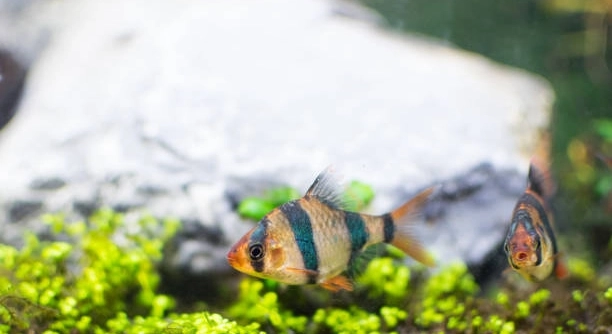
Tiger barbs are popular freshwater fish known for their lively swimming and bright colors. Sometimes, these fish may suddenly stop moving, which can catch the attention of aquarium owners. Understanding why they stay motionless helps in caring for them properly.
Tiger barbs may remain motionless due to stress, illness, or environmental factors such as poor water quality or temperature fluctuations. This behavior can also indicate resting or conserving energy but often signals a need for prompt attention to their habitat conditions.
Recognizing the reasons behind this stillness can improve your fish’s health and tank environment. Learning more about their behavior supports better care and a happier aquarium experience.
Reasons Tiger Barbs Stay Motionless
One common reason tiger barbs stop moving is stress. Changes in water conditions, overcrowding, or aggressive tank mates can make them freeze. Illness is another factor; infections or parasites may cause lethargy. Sometimes, poor water quality leads to a lack of oxygen, forcing fish to stay still. Temperature changes also affect their activity levels. Cooler water slows metabolism, making fish less active. In some cases, tiger barbs rest or conserve energy. Observing other signs like loss of appetite or discoloration can help identify problems early. Regular water testing and tank maintenance are essential to keep their environment stable. Avoid sudden changes and provide hiding places to reduce stress. Proper diet and monitoring for diseases improve their chances of staying healthy and active in the tank.
Motionlessness is often a sign that something needs attention in their environment or health.
Taking time to understand these causes helps prevent long-term issues. Keeping water clean, maintaining stable temperatures, and managing tank mates carefully support your tiger barbs’ well-being. When you notice motionless behavior, act quickly by checking water parameters and observing for illness. Early treatment improves recovery chances and keeps your aquarium balanced. Consistent care promotes a healthier, more active fish community overall.
How to Respond When Tiger Barbs Stay Still
Motionlessness should not be ignored as it may indicate a serious problem with the fish or its habitat.
If you see your tiger barbs staying still, the first step is to test the water quality, checking ammonia, nitrite, nitrate levels, and temperature. Poor water conditions are often the cause and can be corrected with partial water changes or filtration adjustments. Remove aggressive fish that may be stressing them. Look for signs of illness such as spots, fin damage, or abnormal breathing. Quarantine sick fish to prevent spread. Improve the environment by adding plants or hiding spots, which can reduce stress and encourage activity. Ensure you feed a balanced diet appropriate for tiger barbs, avoiding overfeeding. Monitor the tank closely over several days. If behavior does not improve, consult a veterinarian or fish care specialist. Prompt action can restore health and prevent further motionlessness in your fish.
Environmental Factors Affecting Movement
Poor water quality directly affects tiger barbs’ activity. Ammonia, nitrite, and nitrate build-up can make them sluggish or still. Temperature fluctuations also impact their metabolism and energy levels.
Maintaining stable water conditions is critical. Frequent testing and regular partial water changes help keep harmful chemicals low. Consistent temperature, ideally between 74-78°F (23-26°C), supports normal behavior. Sudden changes can cause stress, leading to motionlessness. Adequate filtration and aeration ensure enough oxygen, which tiger barbs need to stay active. Overcrowding also stresses them, reducing movement. Providing enough space and hiding spots can reduce anxiety and promote swimming.
Tank decorations and plants play a role in reducing stress. Hiding places make fish feel safe, encouraging them to move more freely. Avoid overcrowding by limiting the number of fish per gallon. A calm environment without constant disturbances helps tiger barbs feel secure, lowering their tendency to freeze in place.
Health Issues Linked to Stillness
Infections and parasites often cause tiger barbs to become inactive. Bacterial, fungal, or protozoan infections can weaken them, causing lethargy and motionlessness.
Signs of illness include discoloration, torn fins, white spots, or abnormal swimming. Treating infections early is crucial to prevent worsening. Quarantine affected fish to stop spread. Use appropriate medications based on diagnosis, following instructions carefully. Stress from poor conditions can worsen health problems. Keep water clean and stable during treatment to help recovery. Nutritional support also strengthens immune response.
Regular observation helps detect health issues before they become severe. Early intervention increases chances of recovery and keeps your tiger barbs lively. Neglecting symptoms risks permanent damage or death. Preventive care, including good tank hygiene and proper diet, reduces health risks and promotes active swimming behavior.
Resting Behavior in Tiger Barbs
Tiger barbs sometimes remain motionless simply because they are resting. This is a natural part of their daily cycle and does not usually signal a problem.
During rest, they may hover near plants or decorations, conserving energy. This behavior is normal when water conditions are good and no signs of illness appear.
Aggression and Social Dynamics
Tiger barbs are known for their semi-aggressive nature, which affects their movement. In a tank with multiple fish, dominant individuals may chase others, causing some fish to freeze to avoid conflict. This stillness helps them avoid injury.
In crowded or small tanks, stress from aggression increases. Providing enough space and hiding spots reduces tension. Grouping tiger barbs in proper school sizes also minimizes bullying and helps maintain a balanced social environment, encouraging normal activity and reducing motionlessness.
Signs That Motionlessness Is a Concern
If motionlessness is accompanied by rapid breathing, discoloration, or loss of appetite, it indicates a health problem. Immediate action is needed to protect the fish.
FAQ
Why do tiger barbs sometimes float motionless near the surface?
Tiger barbs floating motionless near the surface usually indicate low oxygen levels in the water. When oxygen is scarce, fish stay close to the surface where oxygen concentration is higher. This can happen if the tank is overcrowded, has poor aeration, or water quality is low. Increasing surface agitation with filters or air stones and performing water changes can improve oxygen levels and encourage normal swimming.
Is it normal for tiger barbs to stay still for long periods?
Occasional stillness is normal, especially when resting or adjusting to new surroundings. However, prolonged inactivity may point to stress, illness, or poor water conditions. Watching for other signs like changes in color, appetite, or breathing helps determine if something is wrong. Regular maintenance and observation keep fish healthy and active.
Can water temperature affect tiger barbs’ activity levels?
Yes, water temperature strongly influences tiger barbs’ metabolism. Cooler water slows their activity, causing them to stay still more often. Maintaining a stable temperature between 74-78°F (23-26°C) ensures they remain energetic and healthy. Avoid sudden temperature changes that can stress the fish and trigger motionlessness.
What role does tank size play in tiger barbs’ behavior?
Tank size affects movement and stress levels. Overcrowded tanks limit swimming space and increase aggression, leading some fish to freeze to avoid conflicts. Providing at least 20 gallons for a small group allows enough room to swim and reduces stress. Proper space promotes natural behavior and reduces stillness caused by anxiety.
How do aggressive tank mates impact tiger barbs?
Aggressive tank mates can intimidate tiger barbs, making them freeze or hide to avoid confrontation. Constant chasing or bullying raises stress levels and reduces overall activity. Separating aggressive fish or choosing compatible species helps tiger barbs feel secure and swim freely.
Can poor diet cause tiger barbs to stay motionless?
A poor diet can weaken tiger barbs, leading to lethargy and reduced movement. Balanced nutrition with quality flakes, pellets, and occasional live or frozen foods supports their energy and immune system. Avoid overfeeding, which pollutes water and stresses fish, causing inactivity.
When should I be worried about tiger barbs staying still?
Concern is needed if stillness comes with rapid breathing, loss of appetite, clamped fins, or unusual spots. These symptoms often indicate illness or poor water quality. Prompt testing, water changes, and medical treatment improve chances of recovery.
Are there natural times when tiger barbs rest during the day?
Tiger barbs do rest throughout the day, often near plants or decorations where they feel safe. This resting behavior is normal and helps conserve energy. Movement usually resumes quickly after resting, so brief stillness alone is not a cause for concern.
How can I encourage more activity in tiger barbs?
Keeping water clean, stable in temperature, and well-oxygenated encourages swimming. Providing hiding spots and a proper school size of at least six tiger barbs reduces stress. Feeding a varied diet and minimizing disturbances in the tank also support their natural activity levels.
What is the best way to monitor tiger barbs for signs of illness?
Daily observation is key. Look for changes in swimming patterns, coloration, breathing, and appetite. Keep a routine schedule for water testing and tank maintenance. Early detection of problems allows for quick action and reduces risks of long-term issues.
Tiger barbs staying motionless can mean different things depending on the situation. Sometimes, it is a natural behavior when the fish are resting or conserving energy. Other times, it may signal stress, illness, or problems with their environment. Understanding the reasons behind this stillness helps in providing better care for your fish. By paying close attention to their behavior and tank conditions, you can identify if the motionlessness is normal or if it requires intervention. It is important to remember that tiger barbs are active fish by nature, so extended periods of inactivity should not be ignored.
Maintaining a healthy environment plays a key role in keeping tiger barbs active and healthy. Proper water quality, stable temperature, adequate space, and compatible tank mates reduce stress and encourage natural behavior. Regular water testing and tank maintenance prevent harmful chemical build-up that can affect fish health. Providing hiding places and ensuring the right number of fish in the tank also help minimize aggression and fear. A balanced diet with the right nutrients supports their energy and immune system, allowing them to swim and interact normally. Consistent care and observation can prevent many issues that lead to stillness.
When motionlessness occurs alongside signs like rapid breathing, loss of appetite, or changes in color, it usually indicates health problems. In such cases, prompt action is necessary. Testing the water, improving conditions, and seeking advice from fish care professionals or veterinarians can improve the fish’s chances of recovery. Understanding tiger barbs’ needs and behavior helps prevent future problems and promotes a happier, more vibrant aquarium. Staying attentive and proactive ensures your fish remain lively and healthy over time.

Hello,
If you enjoy the content that we create, please consider saying a "Thank You!" by leaving a tip.
Every little bit helps us continue crafting quality advice that supports the health, happiness, and well-being of pets around the world, for pets of all shapes, sizes, and species.
We really appreciate the kindness and support that you show us!