
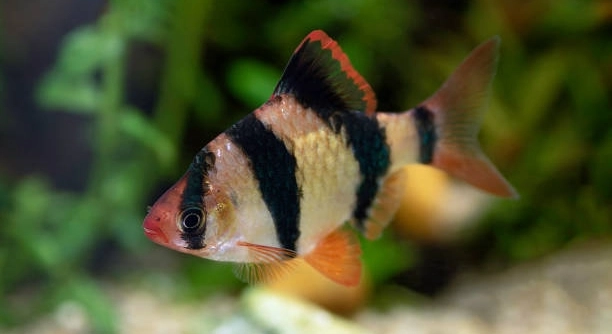
Tiger Barbs are popular freshwater fish known for their lively behavior and bright colors. Many aquarium enthusiasts enjoy watching their interactions. Observing their actions can reveal interesting patterns, including how they behave around others in the tank.
Tiger Barbs can show territorial signs, especially in confined spaces or when competing for resources. They may chase or nip at other fish to establish dominance and defend their preferred area, demonstrating clear territorial behavior under certain conditions.
Understanding these territorial tendencies can help maintain a peaceful aquarium environment. Managing their space and companions is key to keeping Tiger Barbs comfortable and healthy.
Understanding Territorial Behavior in Tiger Barbs
Tiger Barbs can become territorial, especially when their tank is crowded or lacks hiding spaces. In such conditions, they may claim certain areas as their own and act aggressively toward other fish that come too close. This behavior includes chasing, nipping, or fin flaring. Territorial signs are more common among males during breeding or when competing for food. Providing ample space, plants, and decorations can reduce these aggressive displays. It also helps to keep Tiger Barbs in groups of at least six to spread out any aggression. Observing their interactions can help identify which fish are more dominant and which prefer to stay in less contested areas of the tank. Proper tank setup and group size are essential in minimizing stress caused by territorial disputes. This creates a healthier environment for all fish to coexist peacefully.
Keeping their space well-arranged reduces territorial disputes and promotes balanced social behavior.
Managing tank conditions carefully will help you maintain harmony among your Tiger Barbs.
Signs of Territory Marking in Tiger Barbs
Territorial behavior in Tiger Barbs can include chasing, nipping, and guarding specific areas or decorations.
These fish establish territories by patrolling their chosen spots and warning off intruders with aggressive postures. Signs include frequent chasing of other fish, particularly near favored hiding places or feeding areas. Males tend to be more territorial, especially during spawning. Fin nipping is a common sign of irritation caused by close proximity. Unlike some species, Tiger Barbs do not produce visible markings or change color dramatically to claim territory, but their behavior clearly indicates dominance. Watching for repeated aggressive acts in one section of the tank helps identify territorial zones. Adjusting the environment by adding barriers and hiding spots can reduce this behavior. Balancing the number of Tiger Barbs with other species also limits stress caused by territorial disputes, making the aquarium a calmer place.
Recognizing these signs early allows better management of tank dynamics and fish welfare.
How Tank Size Affects Territorial Behavior
Smaller tanks often increase territorial behavior in Tiger Barbs due to limited space and resources. Overcrowding can lead to more frequent aggressive encounters.
When the tank is too small, Tiger Barbs have less room to establish separate areas, which causes stress and competition. This leads to chasing, fin nipping, and more aggressive displays. A larger tank allows fish to spread out, reducing confrontations. Proper tank size also supports healthier social groups, which lowers aggression by distributing dominance more evenly. Generally, a minimum of 30 gallons is recommended for a small group of Tiger Barbs, with additional space needed for other fish.
Adjusting tank size and decorations helps create distinct territories and hiding places. This setup can prevent constant conflicts and keep your Tiger Barbs calmer over time.
Tank Mates and Territorial Behavior
Choosing compatible tank mates influences how territorial Tiger Barbs become. Aggressive or slow-moving fish may increase tensions.
Introducing peaceful, fast, or schooling fish can reduce territorial aggression because they don’t compete directly for the same space or resources. Avoid housing Tiger Barbs with long-finned or slow fish, as they may become targets of nipping. Larger tanks with diverse species give Tiger Barbs options to establish territories without constant clashes. Balanced groups where Tiger Barbs outnumber others help control aggression through social hierarchy. Paying attention to how fish interact allows for adjustments that maintain peace. Proper tank mate selection is vital for minimizing stress and territorial fights in the aquarium.
Impact of Water Conditions on Territorial Behavior
Water quality affects how Tiger Barbs behave, including their territorial instincts. Poor conditions often increase stress and aggression.
Maintaining stable temperature, pH, and cleanliness helps reduce territorial disputes. Stress from bad water quality can make fish more defensive and prone to fights, so regular monitoring is essential.
The Role of Hiding Spots
Providing plenty of hiding spots helps break up territories and lowers aggression among Tiger Barbs. Plants, rocks, and decorations offer safe areas.
These shelters allow shy or weaker fish to avoid conflict. The more natural barriers in the tank, the less likely Tiger Barbs will feel the need to defend strict territories.
Feeding and Territorial Behavior
Uneven feeding can trigger territorial behavior as fish compete for food. Consistent feeding routines reduce this competition.
Offering multiple feeding areas spreads out the fish and prevents aggressive behavior caused by food guarding.
Breeding and Territoriality
During breeding, male Tiger Barbs become more territorial and protective of their chosen space. This behavior is natural and usually temporary.
Can Tiger Barbs Live Peacefully Together Despite Territorial Behavior?
Yes, Tiger Barbs can live peacefully together if their environment is well managed. Providing enough space and hiding spots reduces aggression. Keeping them in groups of six or more helps distribute any aggressive behavior, making it less focused on a single fish. Regular tank maintenance and balanced feeding also play a role in maintaining harmony.
Why Do Tiger Barbs Nip Each Other? Is It Always Territorial?
Nipping among Tiger Barbs can be a sign of territorial behavior but is also part of their natural schooling dynamics. They use nipping to establish dominance and test boundaries. However, constant or severe nipping usually indicates stress, overcrowding, or insufficient space. Adjusting tank conditions and group size can lessen nipping.
How Big Should a Tank Be to Reduce Territorial Aggression?
A tank of at least 30 gallons is recommended for a small group of Tiger Barbs. Larger tanks provide more space for territories and reduce conflicts. The bigger the tank, the easier it is to add decorations and plants that break up space and provide hiding places.
Can Territorial Behavior Cause Injury Among Tiger Barbs?
Yes, territorial aggression can lead to injuries like torn fins or stressed fish, which are more prone to disease. Regularly monitoring behavior and tank conditions helps prevent serious injuries. Adding more hiding spots and increasing tank size can reduce aggression.
Do All Tiger Barbs Show Territorial Behavior?
Not all Tiger Barbs are equally territorial. Males tend to be more aggressive, especially during breeding or when competing for resources. Individual temperament varies, so some fish may be more dominant while others stay more passive.
How Does Group Size Affect Territorial Behavior?
Smaller groups often show more aggression because there are fewer fish to share dominance. Larger groups help spread out aggressive behavior and create a more stable social structure. A minimum of six Tiger Barbs is usually best.
Are There Signs That Indicate When Territorial Behavior Is Becoming a Problem?
Signs include frequent chasing, fin damage, and constant hiding of some fish. If aggression leads to injuries or causes fish to be stressed and withdrawn, it’s a problem. Taking action quickly by adjusting tank conditions or group size is important.
What Tank Mates Work Best with Tiger Barbs to Minimize Territorial Issues?
Fast, active schooling fish like danios or barbs work well because they can keep up with Tiger Barbs. Avoid slow or long-finned fish, which can be targets of aggression. Choosing compatible species helps reduce conflicts.
How Can I Reduce Territorial Behavior Without Changing Tank Size?
Increasing hiding spots with plants, rocks, or decorations breaks up line of sight and reduces conflicts. Feeding fish in multiple spots also helps. Maintaining water quality keeps fish less stressed, lowering aggressive tendencies.
Is Territorial Behavior Different During Breeding?
Yes, males become more protective of spawning sites and may chase other fish away. This behavior is usually temporary and lessens after breeding. Providing plenty of space and hiding spots during this time helps reduce stress.
Does Water Temperature Influence Territorial Behavior in Tiger Barbs?
Extreme or fluctuating temperatures can increase stress and aggression. Keeping water stable between 74°F and 79°F helps maintain calm behavior. Sudden changes often trigger more aggressive territorial displays.
What Are the Best Decorations to Help Manage Territoriality?
Tall plants, driftwood, and rocks that create visual barriers are effective. They allow fish to hide and claim small areas without direct confrontation. Avoid overcrowding decorations, which can limit swimming space and increase stress.
Can Territorial Behavior Affect Feeding Times?
Yes, aggressive fish may chase others away from food, causing uneven feeding. Spreading food across the tank or using feeding rings can reduce competition. Regular feeding schedules help fish feel secure and less aggressive.
How Often Should I Observe My Tiger Barbs for Territorial Signs?
Daily observation is ideal to catch early signs of aggression or injury. Noticing changes in behavior or appearance helps prevent serious problems. Early intervention leads to a healthier tank environment.
Is It Normal for Tiger Barbs to Chase Other Fish?
Yes, chasing is a natural behavior related to establishing dominance and territory. However, constant or severe chasing should be addressed by adjusting tank conditions or group size. Moderate chasing is part of their social interaction.
Can Territorial Behavior Lead to Fish Death?
If aggression is severe and ongoing, it can stress fish and cause injuries that may lead to death. Preventing aggression through good tank management and proper social groups is essential for their well-being.
How Does Lighting Affect Territorial Behavior?
Bright lighting can increase visibility and sometimes stress fish, leading to more aggression. Providing shaded areas and dimmer lighting zones can help reduce territorial disputes.
Are Younger Tiger Barbs Less Territorial Than Adults?
Juvenile Tiger Barbs tend to show less territorial behavior but may become more aggressive as they mature. Early socialization in a proper group size helps reduce future conflicts.
What Should I Do If One Tiger Barb Becomes Too Aggressive?
Separating the aggressive fish or increasing the group size to dilute its behavior can help. Adding more hiding places or rearranging the tank can also reduce focus on the aggressive individual.
Can Diet Impact Territorial Behavior?
A well-balanced diet keeps Tiger Barbs healthy and less prone to stress-related aggression. Poor nutrition can increase irritability and competition. Feeding a variety of foods supports overall well-being and calmer behavior.
Is It Better to Keep Only Tiger Barbs in a Tank to Avoid Territorial Problems?
While keeping only Tiger Barbs reduces cross-species aggression, overcrowding can still cause territorial issues. Proper group size, tank size, and environment setup remain important regardless of tank mates.
How Quickly Do Territorial Disputes Usually Resolve?
Disputes often resolve within minutes to hours once dominance is established. Prolonged fighting indicates a problem that needs intervention. Most fish adjust to social hierarchy over time with the right conditions.
Can Stress From Territorial Behavior Affect Tiger Barbs’ Health?
Yes, stress weakens the immune system, making fish more susceptible to illness. Managing aggression through tank setup and group balance is crucial to preventing stress-related health issues.
Are There Signs Tiger Barbs Are Not Comfortable in Their Territory?
Signs include hiding excessively, loss of appetite, or erratic swimming. These behaviors suggest stress from territorial disputes or poor tank conditions. Addressing these issues improves their comfort and safety.
Is It Normal for Tiger Barbs to Establish Territories in Community Tanks?
Yes, they may claim small areas even in larger tanks. Territorial behavior tends to be less intense with enough space and compatible tank mates. Community tanks require careful planning to balance social dynamics.
How Can I Identify the Most Aggressive Tiger Barb?
Look for fish that chase others frequently, flare fins often, and guard certain areas. They may also be the most active or dominant during feeding times. Observing over several days helps confirm behavior patterns.
Can Rearranging the Tank Help Reduce Territorial Aggression?
Yes, changing decorations and plants disrupts established territories and resets social boundaries. This can reduce ongoing conflicts by breaking visual markers fish use to claim space.
Is It Safe to Introduce New Tiger Barbs to an Established Group?
New fish may face aggression until they are accepted. Introducing several new Tiger Barbs at once or rearranging the tank beforehand can ease integration. Monitoring closely helps avoid serious fights.
Do Tiger Barbs Show Different Territorial Behavior in Breeding vs. Non-Breeding Seasons?
During breeding, territorial aggression intensifies as males protect spawning sites. Outside breeding periods, behavior is usually less aggressive and more focused on social hierarchy.
How Long Does Territorial Behavior Last After Breeding?
Territorial aggression decreases gradually after eggs are laid and fry develop. Males become less protective and more social again. Providing space and hiding spots supports this transition.
When keeping Tiger Barbs, understanding their territorial behavior is important for a peaceful aquarium. These fish naturally show signs of territory, especially in smaller tanks or when competing for food and space. Recognizing their actions, such as chasing or fin nipping, helps to manage their environment better. Providing enough room, hiding places, and maintaining good water quality can reduce aggression. It is also helpful to keep Tiger Barbs in groups of six or more to spread out dominant behavior. This approach encourages a more balanced social structure, making the tank a calmer place for all fish.
Tank setup plays a crucial role in managing territorial signs among Tiger Barbs. A tank size of at least 30 gallons allows them to establish their own areas without constant conflict. Adding plants, rocks, and decorations creates natural barriers that break up sight lines and offer places to hide. This prevents fish from feeling crowded and stressed, which often triggers aggression. Choosing compatible tank mates that can keep up with Tiger Barbs’ activity level also helps reduce tensions. Fast-moving or schooling fish tend to do better than slow or long-finned species, which might become targets of aggression. Paying attention to these details helps maintain a stable and healthy aquarium environment.
It is also important to observe Tiger Barbs regularly for signs of excessive aggression or stress. Some level of territorial behavior is normal, but ongoing fights or injuries require intervention. Adjusting tank conditions, adding hiding spots, or increasing group size can improve the situation. During breeding, territorial behavior increases but usually calms down afterward. Maintaining a steady feeding schedule and spreading food across the tank reduces competition and aggression. Overall, understanding and managing Tiger Barbs’ territorial nature improves their wellbeing and creates a more enjoyable aquarium experience.

Hello,
If you enjoy the content that we create, please consider saying a "Thank You!" by leaving a tip.
Every little bit helps us continue crafting quality advice that supports the health, happiness, and well-being of pets around the world, for pets of all shapes, sizes, and species.
We really appreciate the kindness and support that you show us!