
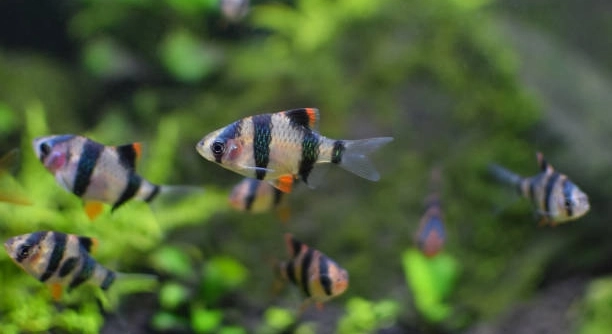
Are your tiger barbs swimming in slightly cooler waters, leaving you wondering if they can still thrive in their environment?
Tiger barbs are tropical fish and prefer water temperatures between 74°F and 79°F. While they can tolerate brief exposure to cooler waters, prolonged periods below 70°F can weaken their immune systems and impact their overall health.
Understanding their temperature needs will help you create a stable and comfortable habitat, supporting their activity levels and long-term well-being.
Understanding Tiger Barbs’ Temperature Needs
Tiger barbs are native to warm, tropical waters, so their ideal tank temperature ranges between 74°F and 79°F. These conditions support their metabolism, immune function, and activity levels. When the temperature drops below 70°F for extended periods, tiger barbs may become stressed. This stress can weaken their immune system, make them more vulnerable to illness, and reduce their energy levels. In colder water, their digestion may also slow down, leading to a lack of appetite. While short dips in temperature may not cause immediate harm, consistently cool water will gradually impact their overall health. Tank heaters are often recommended to help maintain a stable temperature range, especially in cooler climates. Using a reliable aquarium thermometer also helps monitor fluctuations. Ensuring your tank stays within the proper range will keep your tiger barbs active, colorful, and comfortable. It’s a small adjustment that supports their natural behavior and long-term well-being.
Stable temperatures keep tiger barbs active and less prone to illness. Cold water slows them down and increases stress.
Watch for signs like sluggish movement or loss of appetite. These changes could signal that the tank is too cool for your tiger barbs.
Adjusting Your Tank for Cooler Climates
Cold rooms or seasonal changes can affect water temperature, especially without a heater. Even indoor tanks can lose warmth overnight.
To protect tiger barbs from the effects of cooler environments, consider using an adjustable aquarium heater that allows you to set and maintain the right temperature. Choose a heater suitable for your tank’s size and always place it near water flow areas to distribute heat evenly. A digital aquarium thermometer lets you track the temperature at a glance and detect small changes before they cause problems. If you’re in a cold climate, avoid placing your tank near drafty windows or exterior walls. Adding insulation around the tank or using a tank cover can help retain warmth. Consistency is key—sudden changes, even brief drops in temperature, may affect their immune system and lead to stress. By taking these simple steps, you help your tiger barbs stay healthy, active, and vibrant in cooler conditions without risking their comfort.
Monitoring Behavior and Signs of Stress
Tiger barbs respond quickly to changes in their environment. When exposed to colder water, they may become less active, hide more often, or swim near the heater. These subtle shifts are important signs of discomfort.
When water becomes too cool, tiger barbs often show visible signs like faded color, reduced appetite, and slower movement. They may also become less social, spending more time alone instead of schooling with others. You might notice them hovering near the bottom of the tank or displaying erratic swimming. These signs can appear gradually, so it helps to observe them closely each day. Regular monitoring makes it easier to catch early stress indicators before health declines. If you spot these changes, check the water temperature first—it’s often the root cause. Bringing the temperature back into their comfort range usually helps them recover quickly and return to their normal behavior and activity level.
Stress from prolonged exposure to cool water weakens their immune system. Once stressed, tiger barbs are more likely to develop bacterial or fungal infections, which spread quickly in community tanks. They may also become more aggressive or withdrawn. Maintaining consistent water temperature helps reduce these risks. Pair it with good water quality and low-stress tank conditions to keep them healthy. It’s easier to prevent these issues than to treat them after symptoms appear. Watch their behavior closely, especially during seasonal changes when room temperatures drop. Healthy tiger barbs are energetic, curious, and social—any change from that baseline should prompt a closer look at your setup and water conditions.
Choosing Compatible Tankmates in Cooler Tanks
If you’re running a cooler tank, not every fish will be a good match. Some tropical species won’t tolerate the lower temperatures well. Choose tankmates that are adaptable and peaceful to avoid stress and aggression.
Rosy barbs, white cloud mountain minnows, and zebra danios can handle cooler water and often get along with tiger barbs. These fish are active, hardy, and can live in slightly lower temperatures without health issues. Avoid slow-moving or delicate species that may become targets for nipping. Tiger barbs can show aggression if confined or if tankmates are incompatible. Keep them in groups of at least six to reduce fin-nipping behavior. Provide enough space and hiding spots to help all fish feel secure. Feeding a balanced diet also helps keep behavior in check. Compatibility isn’t just about temperature—it’s about energy levels, aggression, and tank layout. When everything aligns, your tank becomes more peaceful and stable, even in cooler conditions.
Preventing Sudden Temperature Drops
Sudden shifts in water temperature can shock tiger barbs and lead to stress. Use a heater with a thermostat and check it regularly. Keep the tank away from cold windows, vents, and exterior doors to reduce temperature swings.
Cover the tank with a lid to retain heat, especially at night. If your room cools quickly, consider insulating the back and sides of the aquarium with foam or insulating wrap. Small changes can make a big difference in keeping temperatures steady.
Feeding Adjustments in Cooler Water
In cooler water, tiger barbs may eat less because their metabolism slows down. Offer food in smaller portions and watch closely to see what they eat. Remove uneaten food to keep the water clean. Feed them high-quality flakes or pellets with some protein-rich treats like bloodworms. This helps support their energy and immunity when they’re more vulnerable. If you notice they ignore food or spit it out, the water may be too cold. Always test the temperature if their appetite changes. Avoid overfeeding during cooler periods to reduce waste and lower the risk of ammonia spikes in the tank.
When to Use a Backup Heater
Keep a spare heater in case your main one fails. It’s a simple way to avoid dangerous drops in water temperature during cold nights or power issues.
FAQ
Can tiger barbs live in cooler water long-term?
Tiger barbs prefer temperatures between 74°F and 79°F for optimal health. While they can survive short periods in cooler water around 68°F to 70°F, prolonged exposure below 70°F can cause stress, weaken their immune system, and increase the risk of illness. Long-term living in cooler temperatures is not ideal and can shorten their lifespan.
What is the minimum temperature tiger barbs can tolerate?
The absolute minimum temperature tiger barbs can tolerate is around 68°F, but this should only be temporary. Anything consistently below 70°F is too cold for them. Prolonged exposure to low temperatures slows their metabolism and weakens their immune system, making them vulnerable to infections and other health problems.
How quickly should I raise the temperature if it drops?
Temperature changes should be gradual to avoid shocking your fish. Aim to raise the water temperature by no more than 2°F every few hours. Rapid changes can stress tiger barbs even more than cooler temperatures. Using an adjustable heater with a thermostat will help you control this process carefully.
Will tiger barbs become less active in cooler water?
Yes, tiger barbs are tropical fish that rely on warm water to maintain their activity levels. Cooler water slows their metabolism, so they will swim less, eat less, and appear sluggish. This reduced activity is a natural response to lower temperatures but indicates they are not in their ideal environment.
Can tiger barbs recover after exposure to cold water?
If the temperature returns to the appropriate range quickly, tiger barbs can often recover. Their immune system improves, and they regain energy and appetite. However, prolonged cold exposure can cause lasting damage, so quick correction of temperature issues is crucial.
What tankmates work well with tiger barbs in cooler tanks?
Fish like rosy barbs, white cloud mountain minnows, and zebra danios tolerate cooler water and generally get along with tiger barbs. Avoid slow or delicate fish that may stress or be nipped by tiger barbs. Keeping tiger barbs in groups of six or more also helps reduce aggressive behavior.
How important is tank insulation in cooler climates?
Tank insulation helps maintain a stable temperature by reducing heat loss. Simple measures like insulating the back and sides of the aquarium with foam or wrap, plus using a tank cover, can prevent sudden temperature drops, especially at night. This support is important for fish health in cooler rooms.
Should I change feeding habits if water is cooler?
Yes, cooler water slows metabolism, so tiger barbs eat less. Feed smaller amounts and remove uneaten food to prevent water pollution. Offering high-quality protein-rich foods supports their immune system when they are less active. Adjusting feeding helps keep the tank clean and fish healthy.
What are signs that the water is too cold for my tiger barbs?
Look for faded colors, reduced activity, hiding, loss of appetite, and social withdrawal. Swimming near the bottom or close to the heater can also be signs. Observing these behaviors early helps you correct temperature problems before health declines.
Is a backup heater necessary?
Yes, having a spare heater is a good precaution. If your main heater fails, a backup prevents dangerous temperature drops. This is especially important in colder climates or during power outages. Backup heaters provide peace of mind and protect your fish’s well-being.
Tiger barbs are tropical fish that thrive best in warm water. Their natural habitat has stable temperatures, which helps keep them healthy and active. When the water is too cold, it can slow their metabolism and weaken their immune system. This makes them more likely to get sick or behave unusually. Cooler water is not ideal for tiger barbs, and long-term exposure to low temperatures can shorten their lifespan. It’s important to keep their tank within the recommended temperature range to give them the best chance to live comfortably and show their natural behaviors.
Maintaining the right temperature in your aquarium takes some effort but makes a big difference. Using a reliable heater with a thermostat helps keep the water stable and prevents sudden drops that can shock your fish. It’s also a good idea to check the temperature regularly with a thermometer. Avoid placing the tank near cold drafts or windows, and consider insulating the tank if you live in a cooler climate. Keeping the environment steady reduces stress for your tiger barbs and supports their immune system. Small adjustments, like covering the tank at night or adding insulation, can protect your fish from the effects of cooler temperatures.
Watching your fish for signs of stress or illness is important in any tank. Changes in behavior, such as less activity, loss of color, or reduced appetite, may indicate the water is too cold or other conditions are not right. If you notice these signs, check the temperature first and make adjustments as needed. Providing proper tankmates that tolerate similar temperatures helps maintain a peaceful environment. Feeding smaller amounts and removing uneaten food in cooler water keeps the tank clean and supports fish health. With careful attention to water temperature and tank conditions, tiger barbs can stay healthy, active, and vibrant.

Hello,
If you enjoy the content that we create, please consider saying a "Thank You!" by leaving a tip.
Every little bit helps us continue crafting quality advice that supports the health, happiness, and well-being of pets around the world, for pets of all shapes, sizes, and species.
We really appreciate the kindness and support that you show us!