
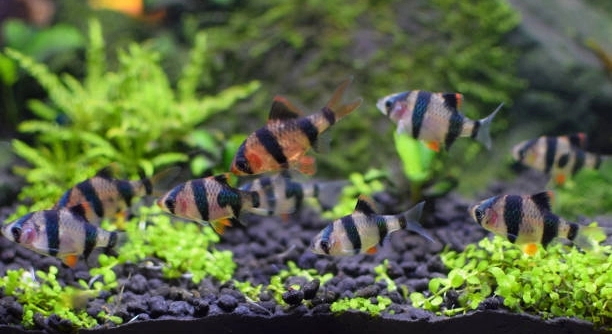
Tiger barbs are popular aquarium fish known for their lively behavior and bright colors. Keeping them healthy requires attention to their environment and care. Many owners want simple ways to avoid common illnesses that affect these fish.
Preventing tiger barb illness involves maintaining clean water, providing a balanced diet, monitoring tank conditions, and minimizing stress factors. Regular observation and prompt action at early signs of disease are crucial for ensuring their well-being.
Learning basic care tips can help keep your tiger barbs active and thriving in your aquarium.
Keep the Tank Clean
Keeping the tank clean is essential for preventing illness in tiger barbs. Dirty water can lead to harmful bacteria and parasites that make fish sick. Regular water changes, at least 25% weekly, help maintain good water quality. Use a gravel vacuum to remove uneaten food and waste from the substrate. Cleaning the filter regularly ensures it works efficiently to remove toxins. Avoid overfeeding, as leftover food can pollute the water quickly. Proper tank maintenance keeps the environment stable and healthy for your fish, reducing stress and disease risk. Remember to test water parameters like ammonia, nitrite, and nitrate frequently. Consistent monitoring helps catch problems early, allowing you to act before the fish show signs of illness.
Good water quality supports tiger barbs’ immune systems, making them less vulnerable to infections.
Maintaining cleanliness is not difficult once it becomes a habit. A clean tank means healthier fish and a more enjoyable aquarium. It also reduces the chances of costly treatments or losing your fish. Set a schedule for cleaning tasks, and stick to it to keep your tank stable and safe for your tiger barbs.
Provide a Balanced Diet
A balanced diet plays a major role in keeping tiger barbs healthy. Feeding a mix of high-quality flakes, pellets, and occasional live or frozen foods supplies essential nutrients. Avoid overfeeding, as excess food can pollute the tank and cause health issues. Feeding small amounts two to three times a day is ideal. A well-fed fish has a stronger immune system and is less likely to suffer from illness. Rotate different food types to ensure your fish get a variety of vitamins and minerals.
Healthy eating habits support overall fish vitality and resistance to disease.
Feeding your tiger barbs correctly helps maintain their bright colors and active behavior. Avoid cheap or low-quality food that lacks necessary nutrients. Including live foods like brine shrimp or bloodworms can boost nutrition and stimulate natural hunting behaviors. If you notice your fish refusing food or acting lethargic, check water quality and tank conditions immediately. Proper nutrition combined with good tank care is the best way to keep your tiger barbs thriving for years.
Monitor Tank Conditions
Maintaining stable tank conditions is crucial for tiger barbs’ health. Sudden changes in temperature or water chemistry can stress fish, making them prone to illness.
Regularly check the water temperature and keep it between 74 and 79°F (23-26°C). Use a reliable aquarium heater and thermometer to avoid fluctuations. Test water parameters like pH, ammonia, nitrite, and nitrate weekly to ensure they stay within safe levels. Tiger barbs prefer a pH between 6.5 and 7.5. Keeping these factors stable creates a safe environment and reduces stress, helping your fish resist diseases.
Avoid placing the tank near windows or heating vents where temperature and light changes can occur frequently. Stable conditions also promote good fish behavior and encourage natural activity in your tank.
Minimize Stress
Stress weakens tiger barbs’ immune systems, increasing their chance of getting sick. Avoid overcrowding and aggressive tank mates that may cause fighting or bullying.
Provide plenty of hiding spots using plants, rocks, and decorations to help fish feel secure. Stress can come from poor water quality, so keep the tank clean and well-maintained. Keep noise and vibrations around the aquarium to a minimum. A peaceful environment helps tiger barbs feel safe and reduces disease risk. Watching your fish regularly will help you spot early signs of stress or illness. Creating a calm and stable tank environment supports long-term health.
Quarantine New Fish
Quarantining new fish prevents the spread of disease to your existing tiger barbs. It helps identify any signs of illness before introducing them to the main tank.
Set up a separate quarantine tank for at least two weeks. Observe new fish closely for symptoms like spots, unusual swimming, or loss of appetite. This step protects the health of all your fish and keeps the main tank safe.
Regular Health Checks
Regularly observe your tiger barbs for changes in behavior, appearance, or appetite. Early detection of illness improves treatment success and reduces fish loss.
Pay attention to signs such as faded colors, clamped fins, or scratching against objects. These could indicate stress or disease. Prompt action helps keep your fish healthy.
Avoid Overcrowding
Overcrowding causes stress and poor water quality, leading to illness. Keep the tank population within recommended limits.
A spacious tank with fewer fish promotes better health and natural behavior.
FAQ
How often should I change the water in my tiger barb tank?
Water changes are important to keep your tank clean and healthy. It is best to change about 25% of the water every week. This helps remove toxins and keeps the water fresh without shocking the fish. If the tank is heavily stocked or if you notice water quality problems, more frequent changes might be needed. Always use a water conditioner to remove chlorine and other harmful chemicals before adding new water.
What is the ideal tank size for tiger barbs?
Tiger barbs are active swimmers and need enough space to move freely. A tank size of at least 20 gallons is recommended for a small group of six to eight fish. Larger tanks are better if you want more fish or to include other species. Overcrowding can cause stress, fighting, and poor water quality, leading to illness.
Can tiger barbs live with other fish?
Tiger barbs can be aggressive, especially in small groups or if the tank is crowded. They do best in groups of six or more to spread out aggression. They can live with other semi-aggressive or fast-moving fish, but avoid slow or long-finned species that might get nipped. Good tank mates include danios, barbs, and some types of tetras.
What signs show that my tiger barbs are sick?
Common signs of illness include faded color, clamped fins, loss of appetite, lethargy, erratic swimming, and spots or patches on the body. Also watch for scratching against objects, swollen bellies, or rapid breathing. Early detection is important. When you see these signs, check water quality and consider isolating sick fish to prevent disease spread.
How can I treat common diseases in tiger barbs?
Treatment depends on the disease, but keeping water clean and stable is the first step. For external parasites like ich, raising the water temperature slightly and using anti-parasitic medications helps. Bacterial infections may require antibiotics. Always follow the medication instructions carefully and avoid overdosing. Quarantine sick fish to prevent infections from spreading.
What should I feed my tiger barbs?
Feed a variety of foods to provide balanced nutrition. High-quality flakes or pellets made for tropical fish should be the staple. Supplement with live or frozen foods like bloodworms, brine shrimp, or daphnia for extra protein. Feed small amounts two to three times a day, only what they can eat in a few minutes to avoid overfeeding and water pollution.
Why are my tiger barbs fighting?
Tiger barbs are naturally active and can be aggressive, especially males. Fighting often happens when the group is too small or the tank is overcrowded. Keeping at least six barbs spreads aggression more evenly. Providing hiding spots and plants helps reduce stress and breaks line of sight, lowering conflict.
Is it necessary to quarantine new fish before adding them to the tank?
Yes, quarantining new fish for at least two weeks helps prevent introducing diseases to your established tank. It allows you to watch new fish for illness and treat them if needed. This step saves time and money by protecting your healthy fish from infections.
How can I reduce stress for my tiger barbs?
Stress comes from poor water quality, overcrowding, sudden changes, and aggressive tank mates. Keep the tank clean and stable with proper water parameters. Avoid loud noises and vibrations near the aquarium. Provide plenty of plants and decorations for hiding places. Maintaining a calm environment supports their immune system and overall health.
What temperature should I keep my tiger barb tank?
Tiger barbs thrive in water between 74 and 79°F (23-26°C). Use an aquarium heater and thermometer to maintain steady temperature. Avoid sudden changes or placing the tank where it gets direct sunlight or cold drafts. Stable temperature reduces stress and illness risk.
How often should I clean the filter?
Filters should be cleaned every 2 to 4 weeks, depending on tank size and bio-load. Rinse filter media gently in tank water to preserve beneficial bacteria. Avoid using tap water, which can kill helpful bacteria. Regular filter maintenance keeps water clear and healthy.
Can poor water quality cause disease in tiger barbs?
Yes, poor water quality is a leading cause of illness. High ammonia, nitrite, or nitrate levels weaken fish immune systems and promote harmful bacteria and parasites. Keeping water clean through regular changes and proper filtration is essential for disease prevention.
What are the best plants for a tiger barb tank?
Hardy plants like Java fern, Anubias, and hornwort work well because tiger barbs may nip softer plants. Live plants provide hiding spots and improve water quality by absorbing nitrates. Plants also help reduce stress by creating a natural environment.
How do I know if my tiger barb tank is overcrowded?
A simple rule is one inch of fish per gallon of water. Tiger barbs grow to about 2-3 inches, so a 20-gallon tank fits around 6-8 fish comfortably. Overcrowding causes poor water quality, stress, and fights. If fish seem cramped or water is cloudy, reduce the number or upgrade the tank size.
Can stress cause illness in tiger barbs?
Yes, stress lowers immune defenses and makes fish more prone to infections. Causes include poor water, aggressive tank mates, overcrowding, and sudden environment changes. Reducing stress with stable conditions and proper care helps keep tiger barbs healthy.
How do I safely introduce new fish to my tank?
After quarantine, float the new fish’s bag in the tank for 15-20 minutes to equalize temperature. Slowly add small amounts of tank water into the bag over 30-60 minutes to help fish adjust to water chemistry. Gently release fish into the tank without adding the bag water. This reduces shock and stress during introduction.
Taking good care of tiger barbs means paying attention to their basic needs and environment. Keeping the tank clean, feeding a balanced diet, and maintaining stable water conditions are the foundation of their health. These simple steps help prevent many common illnesses that can affect your fish. By regularly checking water quality and watching your fish closely, you can catch problems early before they become serious. Small daily efforts go a long way in making sure your tiger barbs stay active and vibrant.
Stress is a major factor that can make tiger barbs more likely to get sick. Providing enough space, hiding spots, and suitable tank mates helps reduce stress and aggression. Avoid overcrowding and sudden changes in the tank environment. When fish feel safe and comfortable, their immune systems work better. This lowers the chances of disease and improves their overall well-being. A calm, stable tank is a healthier home for your fish and makes caring for them more rewarding.
Remember that illness can still happen even with the best care, so it’s important to know the signs and be prepared to act quickly. Quarantining new fish before adding them to your tank helps protect your current fish from infections. Learning basic treatments for common diseases and following proper medication instructions will improve recovery chances. Taking these preventive steps shows responsibility and care. Healthy tiger barbs not only look beautiful but also provide enjoyment and satisfaction for aquarium keepers. With patience and attention, your fish can thrive for many years.

Hello,
If you enjoy the content that we create, please consider saying a "Thank You!" by leaving a tip.
Every little bit helps us continue crafting quality advice that supports the health, happiness, and well-being of pets around the world, for pets of all shapes, sizes, and species.
We really appreciate the kindness and support that you show us!