
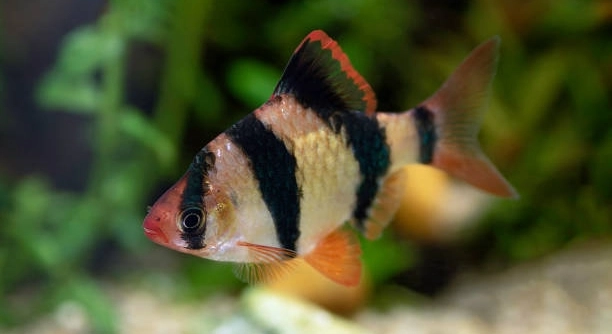
Barbs are colorful and lively fish that many enjoy keeping in home aquariums. Their health depends greatly on what they eat daily. Feeding them the wrong foods can cause problems that might not be obvious at first.
There are several common foods that should be avoided when feeding barbs, including those high in fat, certain plants, and processed human foods. These can lead to health issues such as digestive problems, poor growth, and weakened immune systems.
Knowing which foods to skip will help keep your barbs healthy and active. This article will guide you through seven foods that can harm your fish and what to offer instead.
Foods High in Fat
Fatty foods can harm barbs in many ways. These fish are used to eating small insects, plants, and flakes designed for their diet. Feeding them foods with too much fat can cause problems like obesity and liver damage. Fatty foods also make their water dirty faster, which can lead to illness. Some common high-fat foods include certain types of frozen or live foods meant for other fish, and human snacks like chips or greasy leftovers. Even though it might seem like a treat, these foods are not good for your barbs. Keeping their diet low in fat helps maintain their energy levels and promotes a longer, healthier life.
Fatty foods disrupt barbs’ digestion and can lower their resistance to disease.
Avoiding high-fat foods helps maintain clear water and prevents health risks. Instead, provide balanced fish flakes or fresh veggies suitable for barbs. Your fish will thrive on the right nutrition.
Feeding Barbs Human Food
Human foods are not made for fish and can be dangerous. Many people assume barbs will eat anything, but processed snacks and leftovers often contain salt, sugar, or spices. These ingredients can harm their internal systems or cause bloating. Some fruits and vegetables are safe in small amounts, but others like onions or garlic are toxic. Human food leftovers can also introduce bacteria into the tank, risking infections. Feeding barbs bits of human food can upset the water quality too, making tank maintenance harder. It’s best to stick with foods designed for barbs or natural options they can digest easily. This care helps keep the aquarium environment stable and your fish healthy over time.
Avoid Feeding Barbs Bread
Bread is often offered by mistake because it seems harmless. However, it can cause digestive blockages in barbs, making it hard for them to eat or swim properly.
Bread contains ingredients like yeast and gluten, which barbs cannot digest well. It also expands inside their stomachs, causing discomfort or even serious health problems. Pieces of bread can pollute the tank water quickly, leading to poor water quality and increased bacteria growth. Feeding bread occasionally may seem like a treat, but it is best to avoid it completely to keep your fish healthy and the tank clean.
Even small amounts of bread can upset the natural balance of a barb’s diet. Instead, focus on foods made specifically for fish or fresh vegetables that support their digestion. This ensures they get proper nutrition without risking their health.
Certain Plants Are Harmful
Some plants that look safe can actually be toxic to barbs. Not all aquarium plants are suitable for their diet or environment.
Plants like avocado leaves, rhubarb, and certain types of lilies release chemicals that can poison barbs. These toxins affect their gills and internal organs, causing stress or even death if consumed. While barbs do nibble on plants, it is important to choose species known to be safe, such as java fern or hornwort. Always research plants before adding them to the tank. Selecting the right plants helps create a balanced habitat that supports your fish’s well-being.
Avoid Feeding Barbs Iceberg Lettuce
Iceberg lettuce has very little nutritional value for barbs. It can cause digestive issues if fed regularly.
This lettuce also tends to rot quickly in the tank, which can pollute the water and harm your fish.
Citrus Fruits Are Harmful
Citrus fruits like oranges, lemons, and limes have acidic properties that barbs cannot tolerate. Their digestive systems are sensitive to acids, which can cause irritation or burns inside the fish’s mouth and gut. Feeding citrus fruits can lead to stress, loss of appetite, and a weakened immune system. These fruits also increase the tank’s acidity, affecting water balance and the health of all aquatic life. It is best to avoid offering any citrus fruits and instead choose safer fruits like peeled cucumber or zucchini for occasional treats.
Avoid Feeding Barbs Chocolate
Chocolate contains theobromine, which is toxic to many animals, including fish. It should never be given to barbs.
FAQ
What are the safest foods to feed barbs?
The safest foods for barbs are high-quality fish flakes or pellets designed for their species. These provide balanced nutrition and support healthy growth. Fresh vegetables like spinach, peas, and zucchini can be given occasionally. Live or frozen foods such as brine shrimp, bloodworms, and daphnia are also good options, as they mimic the barbs’ natural diet and encourage natural hunting behaviors. It is important to avoid overfeeding and to remove any uneaten food to keep the water clean and your fish healthy.
How often should I feed my barbs?
Feeding barbs twice a day is usually enough. Give them only as much food as they can eat within two to three minutes to prevent overfeeding. Overfeeding can cause water quality issues and lead to health problems like obesity or swim bladder disorders. Remember, it is better to feed smaller amounts regularly than large portions at once. Watching how your fish respond to feeding helps you adjust the amounts to keep them in good condition.
Can barbs eat vegetables?
Yes, barbs can eat some vegetables, but it’s important to choose the right ones. Leafy greens such as spinach and lettuce (excluding iceberg) are good choices. Peas are excellent because they help with digestion and can prevent constipation. Vegetables should be washed and blanched before feeding to soften them and remove any pesticides or chemicals. Offer veggies in small amounts, and remove any leftovers from the tank to avoid water pollution.
Is it okay to feed barbs live food?
Live food is beneficial for barbs as it closely resembles their natural diet. It provides essential nutrients and stimulates their hunting instincts. Common live foods include brine shrimp, daphnia, and mosquito larvae. However, live food should be sourced from reliable places to avoid introducing parasites or diseases into the tank. It’s best to mix live food with flakes or pellets to ensure a balanced diet.
Can barbs eat flakes made for other fish?
Feeding barbs flakes made for other fish species occasionally is generally safe, but it is not ideal for their long-term health. Different fish have different nutritional needs, so flakes made for tropical fish or goldfish may lack important nutrients barbs require. Using flakes specifically designed for barbs or small omnivorous fish ensures they receive the right balance of protein, fat, and vitamins.
What happens if barbs eat something toxic?
If barbs consume toxic food, they may show signs like lethargy, loss of appetite, unusual swimming patterns, or visible damage to their fins or gills. Toxic foods can cause internal damage or stress their immune system. If you suspect your fish ate something harmful, it’s important to perform a partial water change and isolate the affected fish if possible. Consulting with an aquarium specialist or vet can provide guidance on treatment options.
Can I feed barbs bread as a treat?
It’s best not to feed bread to barbs. Bread can expand inside their digestive system, causing blockages or discomfort. It also decomposes quickly in the tank, polluting the water and leading to bacterial growth. Instead, stick to foods made for fish or small amounts of fresh vegetables for treats.
Are fruits safe for barbs?
Some fruits can be fed in small amounts, but many are too acidic or sugary for barbs. Safe options include peeled cucumber and zucchini. Avoid citrus fruits and others high in acid or sugar, as these can upset the fish’s digestive system and affect water quality. Always introduce any new food gradually and watch for signs of discomfort or illness.
How do I know if my barbs are eating the right amount?
Barbs should finish their food within two to three minutes during feeding. If food remains uneaten, reduce the amount next time. Overeating can cause obesity and water problems, while underfeeding can lead to poor health and weakened immune systems. Observing your fish’s behavior and appearance regularly helps ensure they are getting the right amount of nutrition.
Barbs are beautiful and active fish that bring life to any aquarium. Keeping them healthy means paying close attention to what they eat. Feeding barbs the right foods helps them grow strong and stay energetic. It also keeps their tank clean and prevents many common health problems. Avoiding foods that are high in fat, toxic plants, human snacks, or anything not made for fish is very important. When barbs eat the wrong foods, they may get sick or show signs of stress. This can be hard to fix later on. It is much easier to give them a good diet from the start.
Choosing the right diet for barbs does not have to be difficult. Most people find that good-quality fish flakes or pellets made for barbs work well. Adding fresh vegetables like spinach, peas, or zucchini can offer variety and help with digestion. Live or frozen foods like brine shrimp and bloodworms are also a nice addition and make feeding time more interesting for your fish. These foods provide the right balance of nutrients without causing harm. Feeding barbs too much or offering unsafe treats like bread or citrus fruits can cause serious problems. Small amounts given at regular times are better than large amounts all at once.
Taking care of barbs means watching how they respond to their food and tank conditions. Regularly checking the water and removing leftover food helps keep the environment safe. Being careful with what you feed your fish will support their immune system and help prevent illness. When in doubt, it is always safer to stick with foods designed for barbs or recommended by aquarium experts. A healthy diet leads to healthy, happy fish that swim energetically and live longer. Feeding your barbs properly is a simple step that makes a big difference in their quality of life.

Hello,
If you enjoy the content that we create, please consider saying a "Thank You!" by leaving a tip.
Every little bit helps us continue crafting quality advice that supports the health, happiness, and well-being of pets around the world, for pets of all shapes, sizes, and species.
We really appreciate the kindness and support that you show us!