
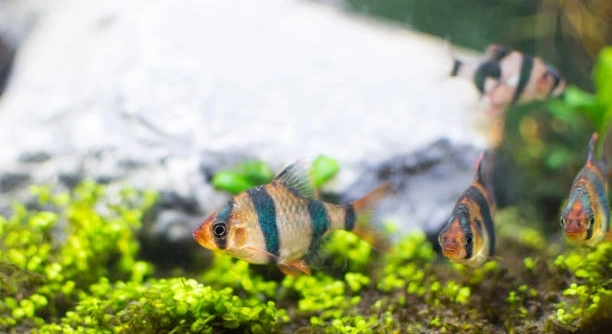
Lethargic behavior in tiger barbs can be concerning for fish owners who want their pets to be active and healthy. These small, colorful fish are usually lively but may show signs of tiredness or sluggishness. Identifying the causes early can help improve their well-being.
Tiger barbs often become lethargic due to poor water quality, inadequate nutrition, stress from overcrowding or incompatible tank mates, improper temperature, disease, or lack of oxygen. Each factor directly impacts their energy levels and overall health.
Understanding these causes will help you create a better environment for your tiger barbs and keep them vibrant and active in your aquarium.
Poor Water Quality
Maintaining clean water is essential for tiger barbs to stay active and healthy. Dirty or polluted water can cause stress and lethargy in your fish. Over time, waste buildup from uneaten food, fish waste, and decaying plants increases harmful chemicals like ammonia and nitrites. These toxins reduce oxygen levels and irritate the fish’s gills, making it hard for them to breathe and move around. Regular water changes and using a good filtration system help keep water conditions stable. Testing your aquarium water weekly is a simple way to catch problems early. If you notice cloudiness or a bad smell, it’s time for a change. A clean tank helps tiger barbs feel safe and energetic, allowing them to swim and explore with ease.
Keeping water clean prevents many health problems and keeps your fish lively and healthy.
Water quality is one of the most important factors for fish behavior. Poor water leads to weak immune systems and increased disease risk. By managing water parameters such as pH, ammonia, nitrite, and nitrate levels, you ensure a safer environment. Frequent partial water changes, removing debris, and monitoring filtration effectiveness will keep your tank in top shape. Even small improvements can boost your tiger barbs’ energy and happiness.
Inadequate Nutrition
Tiger barbs need a balanced diet to stay active and healthy. Feeding them only flakes or the same food every day can lead to nutrient deficiencies. This weakens their immune system and lowers their energy. A mix of high-quality flakes, pellets, and occasional live or frozen foods like brine shrimp or bloodworms provides essential vitamins and proteins. Overfeeding can also cause problems, leading to poor water quality and lethargy. Feeding small amounts twice a day is usually enough. Watching your fish eat helps you see if they are interested or avoiding food, which can indicate health issues.
Proper nutrition supports their natural behavior and keeps their colors bright.
A varied diet improves digestion and overall vitality. It’s best to research foods that suit tiger barbs’ needs and try different types. Including some vegetable matter, such as blanched spinach or peas, helps with digestion too. Avoid feeding human food or low-quality products that can harm their health. Balanced nutrition is a key part of caring for active, lively tiger barbs.
Stress from Overcrowding or Incompatible Tank Mates
Too many fish in one tank can cause stress for tiger barbs. Overcrowding limits space and increases competition for food, leading to lethargy. Aggressive or incompatible tank mates can also make them anxious and tired.
Stress affects tiger barbs’ health by weakening their immune system and reducing activity levels. When tank space is tight, fish cannot swim freely or hide when needed. Aggressive fish may chase or nip at tiger barbs, causing constant tension. This ongoing stress leads to energy loss and sometimes illness. Providing enough space, proper hiding spots, and choosing peaceful companions helps keep tiger barbs calm and active.
Adjusting the number of fish and carefully selecting tank mates creates a more peaceful environment. This reduces stress, letting tiger barbs swim and behave naturally.
Improper Temperature
Tiger barbs are tropical fish that need stable water temperatures between 74°F and 79°F (23°C to 26°C). Water that is too cold or too warm slows their metabolism and causes lethargy. Temperature fluctuations add stress, weakening their health.
Maintaining a consistent temperature is crucial for tiger barbs’ energy and immune response. A reliable aquarium heater and thermometer help monitor this. Sudden changes, like from cold drafts or heater failure, can shock the fish and reduce movement. Keeping the temperature steady supports normal activity and feeding habits. Avoid placing the tank near windows or vents where temperature changes happen frequently.
Temperature control is a simple yet essential part of caring for tiger barbs. It helps them stay lively and avoid stress-related illnesses.
Disease or Parasites
Diseases and parasites can make tiger barbs weak and lethargic. Common illnesses include fin rot, ich, and bacterial infections. Parasites irritate the skin and gills, reducing energy levels and causing unusual behavior.
Early detection and treatment are vital. Quarantine new fish before adding them to the tank. Keep the environment clean to prevent infections.
Lack of Oxygen
Low oxygen levels in the water cause tiger barbs to become tired and less active. Oxygen is essential for their breathing and energy.
Proper aeration through air stones, filters, or water movement ensures enough oxygen. Avoid overcrowding, which reduces oxygen availability and stresses fish.
Inadequate Tank Size
Tiger barbs need enough space to swim freely. A small tank limits their movement and causes stress, leading to lethargy.
Providing at least 20 gallons for a small group helps maintain their health and activity levels.
FAQ
Why is my tiger barb so lethargic even though I keep the tank clean?
Even if the tank looks clean, water quality issues can still affect your fish. Ammonia or nitrite levels might be too high, or the pH may be off balance. These factors stress tiger barbs and make them less active. Check water parameters regularly with test kits. Also, consider if the tank temperature is stable and within the right range. Sometimes, stress from tank mates or overcrowding can cause lethargy even in a clean tank. Finally, nutritional deficiencies or hidden diseases might play a role, so observe your fish closely.
How often should I change the water to prevent lethargy?
Changing about 20-30% of the water every week helps keep harmful chemicals low and oxygen levels high. This routine supports healthy fish behavior. Avoid changing too much water at once since it can shock the fish. Use a water conditioner to remove chlorine or chloramine from tap water. Regular water testing combined with partial water changes is the best way to maintain stable conditions and keep tiger barbs active.
Can diet really affect my tiger barb’s energy?
Yes, diet has a big impact. Tiger barbs need a mix of protein, vitamins, and minerals to stay healthy. Feeding only flakes or one food type can cause nutrient gaps and lethargy. Adding frozen or live foods like brine shrimp or bloodworms boosts nutrition and encourages natural behavior. Overfeeding should be avoided as it pollutes water and can cause digestive problems. A balanced, varied diet supports energy and bright coloration.
What signs show my tiger barb might be sick?
Lethargy is one sign, but look for others like faded colors, clamped fins, difficulty swimming, or spots on the body. Loss of appetite and hiding more than usual are also warning signs. Rapid breathing or gasping at the surface indicates oxygen problems or illness. Early detection makes treatment easier and improves chances of recovery. Always isolate sick fish if possible to prevent spreading disease.
How does tank size influence tiger barb behavior?
Tiger barbs are active swimmers and need enough space to move freely. A small tank restricts their activity and causes stress. Overcrowding raises waste levels and lowers oxygen, which leads to lethargy. At least 20 gallons is recommended for a small group to maintain good water quality and reduce stress. Bigger tanks offer more stable conditions and better fish health.
Can temperature changes cause lethargy suddenly?
Yes, sudden drops or rises in temperature can shock tiger barbs and slow their metabolism. This reduces their energy and feeding response. Keeping temperature stable between 74°F and 79°F helps them stay active. Use a heater with a thermostat and place the tank away from drafts or direct sunlight. Monitor temperature daily to avoid fluctuations.
What tank mates are best to prevent stress in tiger barbs?
Choose peaceful, fast-moving fish that won’t nip at tiger barbs’ fins. Good companions include danios, barbs of similar size, and some tetras. Avoid slow or shy fish that may be bullied. Aggressive or territorial fish cause stress, making tiger barbs less active. Introducing compatible fish and providing hiding spots reduces stress and helps maintain lively behavior.
How can I improve oxygen levels in my tank?
Using an air stone, sponge filter, or strong water circulation increases oxygen in the water. Live plants also add oxygen but can lower it at night, so balance is key. Avoid overstocking the tank to keep oxygen available for all fish. Proper aeration supports breathing and keeps tiger barbs swimming energetically.
Is it normal for tiger barbs to rest at the bottom sometimes?
Yes, occasional resting is normal, especially during nighttime or after feeding. However, constant lethargy or staying at the bottom for long periods is a sign of stress, illness, or poor water conditions. Watch for other symptoms like loss of appetite or unusual swimming patterns to decide if there’s a problem.
What should I do if my tiger barb remains lethargic after checking all conditions?
If you have balanced water quality, temperature, diet, and tank setup but lethargy persists, it might be time to consult a vet or aquarium specialist. Parasites or internal diseases may not be obvious at first. Quarantine the affected fish and consider medication if needed. Regular monitoring and proper care are key to recovery.
When tiger barbs show signs of lethargy, it usually means something in their environment or care routine needs attention. These fish are naturally active and lively, so when they slow down or hide, it’s important to check the basics first. Factors like water quality, temperature, diet, and tank conditions all play a role in their energy levels. Keeping the water clean and well-filtered helps remove harmful substances that can stress the fish. Stable temperature within the right range supports their metabolism and immune system. Feeding a balanced diet gives them the nutrients they need to stay healthy. Paying close attention to these details can prevent many common causes of lethargy.
Stress is another key factor affecting tiger barbs. Overcrowding or keeping aggressive fish with them can make tiger barbs feel unsafe, causing them to lose energy and hide. Providing enough space, choosing compatible tank mates, and adding hiding spots are simple ways to reduce stress. This helps the fish behave naturally and swim actively. Sometimes, illness or parasites can cause lethargy too. Early signs like faded colors, spots, or difficulty swimming should not be ignored. Quarantining new fish and treating problems quickly helps keep the entire tank healthy.
Taking care of tiger barbs requires regular attention and adjustments. Observing their behavior daily allows you to spot changes before they become serious problems. Maintaining good water quality, feeding well, and controlling stress can keep your fish happy and energetic. If lethargy continues despite these efforts, consulting an expert or vet can help identify hidden issues. With proper care and a healthy environment, tiger barbs can live active lives and brighten your aquarium for years to come.

Hello,
If you enjoy the content that we create, please consider saying a "Thank You!" by leaving a tip.
Every little bit helps us continue crafting quality advice that supports the health, happiness, and well-being of pets around the world, for pets of all shapes, sizes, and species.
We really appreciate the kindness and support that you show us!