
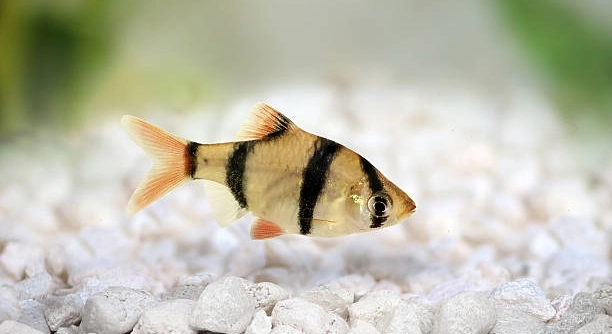
Tiger barbs are lively fish that bring color and movement to home aquariums. Many fish owners want to understand their habits, especially how they rest at night. Knowing their sleeping patterns helps create a better environment for these active creatures.
Tiger barbs do not sleep in the exact same spot daily. Their resting locations can vary within the aquarium depending on factors like safety, water conditions, and tank mates. They tend to find sheltered areas but remain flexible in their choice.
Learning about where tiger barbs prefer to rest can improve your tank setup and support their well-being. This information adds to creating a peaceful and healthy home for your fish.
How Tiger Barbs Choose Their Resting Spots
Tiger barbs usually pick resting spots that feel safe and comfortable. They prefer places with plants, decorations, or hiding spaces where they can stay protected from stronger tank mates. Light levels also affect their choice; they tend to rest in dimmer areas during nighttime or when feeling stressed. The water temperature and flow can influence where they settle as well. Warmer, calmer spots are often favored because they use less energy while resting. These fish are active and social, so they also consider the presence of their group. If the tank is overcrowded or has aggressive fish, tiger barbs may change their resting areas more frequently to avoid conflict. Observing your fish will help you notice patterns in their resting behavior, which can guide you in adjusting the tank layout to support their comfort.
Their resting spots are rarely fixed because tiger barbs adapt to changes in their environment.
Adjusting tank decorations or adding more plants can encourage better resting places. Providing varied hiding spots allows each fish to find its own preferred area without competition. Clean, well-maintained water and stable conditions help reduce stress, making it easier for tiger barbs to rest peacefully. Keeping the tank balanced with compatible fish minimizes disturbances and supports calmer resting habits. This understanding is essential to creating a harmonious environment that promotes their health and natural behavior.
Signs That Tiger Barbs Are Resting
Tiger barbs show subtle signs when resting. Their movement slows, and they hover near the bottom or among plants. Their colors may appear less vibrant, and they become less responsive to stimuli.
Watching these signals can help you understand their needs better.
Recognizing rest behavior is important for monitoring fish health. When tiger barbs rest well, it indicates a good tank environment. If they seem restless or constantly moving, it could mean stress or discomfort. Ensuring they have quiet, secure spaces supports their natural cycles. Observing these patterns regularly helps detect early problems. If needed, small adjustments in lighting, water quality, or tankmates can improve their rest. This care ensures your tiger barbs remain lively and healthy, maintaining the vibrant energy they bring to the aquarium.
Resting Behavior Changes Over Time
Tiger barbs may change their resting habits as they grow or as their environment shifts. Younger fish might rest in different spots compared to adults. Changes in tank mates or decorations can also cause them to find new resting places.
Stress or illness can affect how and where tiger barbs rest. When uncomfortable, they might hide more or move frequently. Monitoring these changes is important for their well-being.
Adapting to changes in the tank is normal for tiger barbs. Providing stable water conditions and safe spaces helps them adjust smoothly. Noticing shifts in behavior early allows for timely care, preventing further stress or health problems.
Creating a Comfortable Resting Environment
Soft lighting and gentle water flow encourage tiger barbs to rest calmly. Bright lights or strong currents can make resting difficult. Adding plants or decorations provides shelter and security.
Clean water with stable temperature supports healthy resting patterns. Regular maintenance and water tests prevent sudden changes that disrupt rest. A well-balanced community tank reduces aggression and stress.
Ensuring enough space helps tiger barbs find their own resting spots without competition. Avoid overcrowding to promote peaceful behavior. Offering a variety of hiding places helps each fish feel secure and rested. This creates a comfortable habitat where tiger barbs can relax and stay healthy.
Common Resting Spots in the Aquarium
Tiger barbs often rest near plants or decorations where they feel hidden. They also choose spots close to the substrate or corners of the tank. These areas offer shelter and reduce exposure to light and movement.
Hiding among tall plants or behind rocks helps them feel safe. Open areas are usually avoided during rest times since they feel vulnerable there.
Impact of Tankmates on Resting Habits
The behavior of other fish in the tank can strongly affect where tiger barbs rest. Aggressive or territorial tankmates may force tiger barbs to change resting locations frequently. Peaceful community fish encourage stable resting spots, allowing tiger barbs to relax more easily. If tankmates are too active or competitive, tiger barbs may become stressed, moving constantly to avoid conflict. Maintaining compatibility in the aquarium helps tiger barbs feel secure enough to rest well, which is important for their overall health and vitality.
Nighttime Resting Behavior
At night, tiger barbs slow down and become less active. They often stay close to their preferred hiding spots until morning.
FAQ
Do tiger barbs need a special sleeping area?
Tiger barbs do not require a specific sleeping area but benefit from having sheltered spots in the tank. Plants, rocks, or decorations create natural hiding places where they feel safe to rest. Providing variety in the tank allows them to choose a comfortable spot based on their mood or the environment.
How long do tiger barbs sleep each day?
Tiger barbs rest in short periods rather than deep continuous sleep. Their rest usually happens during nighttime or in dim lighting. On average, they spend several hours slowing down and remaining less active to recover energy.
Can tiger barbs sleep while swimming?
Yes, tiger barbs can rest while hovering or swimming slowly. They do not have eyelids to close but reduce activity and responsiveness to signals. This restful state helps them conserve energy without needing to lie still.
Is it normal for tiger barbs to change resting spots often?
It is common for tiger barbs to change their resting places frequently. Factors like water conditions, tankmates, lighting, and comfort influence these changes. They tend to move to spots that feel safest and most secure at the time.
Do tiger barbs sleep at the bottom of the tank?
Tiger barbs often rest near the bottom but not necessarily flat on the substrate. They hover close to plants or decorations at lower levels where light is dimmer. Resting near the bottom helps them feel more protected.
What happens if tiger barbs do not get proper rest?
Lack of rest can cause stress, weaker immune systems, and reduced activity in tiger barbs. They may become more prone to illness and less vibrant in color. Ensuring a calm environment with suitable hiding places supports their natural rest cycles.
Can lighting affect tiger barbs’ sleeping habits?
Bright or constant lighting can disrupt tiger barbs’ resting patterns. They prefer dim or natural light cycles that simulate day and night. Using a timer for aquarium lights helps maintain regular rest periods.
How do tankmates influence tiger barbs’ sleep?
Aggressive or highly active tankmates may disturb tiger barbs, forcing them to move often and rest less effectively. Peaceful companions and a spacious tank reduce stress, allowing tiger barbs to rest in consistent spots.
Should I turn off the aquarium light at night?
Turning off the aquarium light at night helps tiger barbs enter a restful state. Darkness mimics their natural environment and signals time to slow down. If complete darkness is not possible, using a low night light is better than bright lighting.
Do tiger barbs show signs of tiredness?
Tiger barbs show tiredness by slowing their movements and hiding more frequently. Their colors may become less vivid, and they respond less to stimuli. These behaviors indicate the need for rest and a peaceful environment.
Can stress affect tiger barbs’ sleeping patterns?
Stress from overcrowding, poor water quality, or aggressive tankmates can disrupt resting habits. Stressed fish often move more and avoid usual resting spots. Managing tank conditions and reducing stressors help tiger barbs regain healthy rest.
Is it necessary to monitor tiger barbs’ resting behavior?
Observing resting behavior helps detect health or environmental issues early. Changes in where or how they rest can signal stress or illness. Regular monitoring allows timely adjustments to improve their care and tank conditions.
Do tiger barbs sleep differently during the day and night?
Tiger barbs are more active during the day and rest mostly at night. They slow down, hide, and reduce movement in dark periods. Daytime rest is lighter and shorter compared to nighttime rest.
How can I create the best resting environment for tiger barbs?
Provide plenty of plants, rocks, and decorations to offer hiding spots. Maintain stable water quality and temperature. Use a lighting schedule that simulates natural day and night. Avoid overcrowding and choose compatible tankmates to minimize stress.
Can tiger barbs sleep in groups?
Tiger barbs often rest near each other in groups, which offers a sense of safety. Group resting also reduces the risk of predators in natural settings. In tanks, group rest helps them feel secure and calm.
What role does water temperature play in resting?
Water temperature affects tiger barbs’ metabolism and energy use. Stable, appropriate temperatures help them rest comfortably. Sudden changes or extremes can cause stress, disrupting rest and daily activity.
Are there any signs that indicate a tiger barb is not resting well?
Signs include constant movement, hiding excessively, faded colors, or unusual aggression. These behaviors can point to stress, illness, or poor tank conditions interfering with rest.
Do tiger barbs need complete darkness to sleep?
Complete darkness is not always necessary but helps simulate natural rest conditions. Low or indirect lighting at night is better than bright or constant illumination for their rest.
How do tiger barbs behave when waking up?
When waking, tiger barbs gradually increase activity and color vibrancy. They start swimming more actively and may seek food. This transition shows they are ready for the day and normal tank activity.
Is resting behavior different in a small tank versus a large tank?
In smaller tanks, tiger barbs may have limited resting spots, leading to more frequent changes and stress. Larger tanks with diverse hiding places support better, more stable resting behavior.
Can feeding time affect tiger barbs’ resting?
Feeding usually occurs when tiger barbs are active. If feeding is irregular or late, it might disrupt rest patterns. Consistent feeding schedules support their natural activity and rest cycles.
Do tiger barbs ever sleep alone?
While tiger barbs prefer groups, they may rest alone if they feel safe. Some individuals might isolate temporarily due to stress or illness but generally thrive resting near others.
Are resting habits linked to tiger barbs’ health?
Yes, proper rest supports immune function and energy balance. Changes in resting habits often signal health problems or environmental issues that need attention.
How important is tank cleanliness for tiger barbs’ rest?
Clean water reduces stress and promotes comfortable resting conditions. Regular cleaning prevents toxins that can disrupt sleep and cause illness.
What should I do if my tiger barbs don’t seem to rest?
Check water quality, lighting, tankmates, and decorations. Adjust these factors to reduce stress and improve hiding spots. If problems persist, consult a fish health expert.
Can tiger barbs rest during the day if the tank is dark?
Yes, if the tank is dark, tiger barbs may rest more during the day. They rely on light cues to regulate activity and rest cycles.
How can I tell if a resting spot is good for tiger barbs?
A good resting spot is quiet, sheltered, and low in light. Watch for fish regularly returning to these places without signs of stress or disturbance.
Tiger barbs are lively fish that bring a lot of energy to any aquarium. Understanding their resting habits is important to keep them healthy and comfortable. While they do not sleep in the same spot every day, they tend to choose areas that feel safe and protected. These spots often include places near plants, decorations, or the lower parts of the tank where lighting is dimmer. Because tiger barbs are active and social, their resting locations can change depending on the environment and the other fish in the tank. Providing a variety of hiding places allows each fish to find a comfortable spot for rest when needed.
Creating a suitable resting environment is essential for tiger barbs. Maintaining stable water conditions and a proper lighting schedule helps support their natural rhythms. Bright lights or strong water currents can disrupt their rest, so dim lighting and gentle water flow are preferred. It is also important to keep the aquarium clean and avoid overcrowding, which reduces stress and promotes peaceful behavior. Tankmates that are peaceful and compatible contribute to a calm atmosphere where tiger barbs feel secure enough to rest properly. Observing your fish regularly can help you notice any changes in their resting behavior that might signal stress or health issues.
Overall, tiger barbs’ rest is an important part of their well-being that often goes unnoticed. They do not have eyelids to close, so their rest is seen through slower movements and quieter behavior. Ensuring that they have safe, sheltered spots and a stable environment encourages healthy rest cycles. Paying attention to their resting habits can improve your care and help maintain a balanced aquarium. By creating conditions that support their natural behaviors, you help tiger barbs stay active, vibrant, and healthy over time.

Hello,
If you enjoy the content that we create, please consider saying a "Thank You!" by leaving a tip.
Every little bit helps us continue crafting quality advice that supports the health, happiness, and well-being of pets around the world, for pets of all shapes, sizes, and species.
We really appreciate the kindness and support that you show us!