
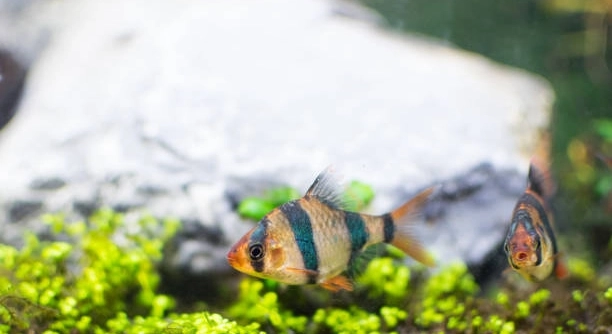
Tiger barbs are popular aquarium fish known for their lively behavior and bright colors. However, after a water change, they often retreat and hide more than usual. This behavior can puzzle many fishkeepers who want to understand their pet’s needs.
Tiger barbs hide after a water change primarily because they experience stress from sudden changes in their environment. The shift in water chemistry, temperature, and scent can cause them to feel vulnerable, prompting their instinct to seek shelter and safety.
Recognizing why this happens helps improve care and reduces stress, creating a healthier environment for your tiger barbs.
Why Tiger Barbs Feel Stressed After Water Changes
Water changes cause sudden shifts in the aquarium environment. Even slight differences in temperature, pH levels, or water chemistry can make tiger barbs uneasy. These fish are sensitive to their surroundings, and sudden changes trigger their natural stress responses. They hide to avoid what they perceive as potential threats. This behavior helps them feel protected while they adjust to the new conditions. Over time, they usually become more comfortable as the water stabilizes. However, frequent or large water changes can prolong their stress and hiding. Consistency in water parameters is key to helping tiger barbs feel secure. Using water conditioners and matching temperature during changes also eases their transition. Observing their behavior after a change can give you clues about their comfort level and overall health.
Stress from water changes is a common reason tiger barbs hide, but it can be managed with care.
Monitoring water quality regularly ensures a stable environment, reducing stress and encouraging normal activity in your fish.
How to Reduce Stress During Water Changes
Perform smaller water changes more frequently to avoid drastic shifts.
Using water from the tank or properly treated new water helps maintain consistency.
To reduce your tiger barbs’ stress during water changes, it’s important to keep the changes gradual and gentle. Large, sudden water changes disturb their environment and cause more hiding. Using water that matches the temperature and chemistry of the tank water helps them adjust easier. Adding water conditioners neutralizes harmful chemicals like chlorine and chloramine that can upset the fish. It’s also helpful to rearrange decorations and plants as little as possible during cleaning, so your fish keep their familiar hiding spots. Giving your tiger barbs time to settle after a change is essential. Keep the lighting dim for a while to reduce their anxiety. Watching their behavior over the following hours will help you see if they are calming down. Taking these steps will make water changes less stressful for your tiger barbs, supporting their health and happiness.
Tiger Barbs’ Natural Instincts
Tiger barbs are naturally cautious fish that seek shelter when they feel threatened.
Hiding is a survival behavior that helps them avoid predators in the wild. This instinct remains strong even in aquariums, especially when their environment changes suddenly. When the water is disturbed or altered, they retreat to familiar hiding spots to feel safer. These fish rely on cover like plants or decorations to reduce stress and feel secure. If hiding places are scarce, their stress levels can increase, affecting their health. Providing plenty of shelter in the tank supports their natural instincts and reduces anxiety during water changes.
The hiding behavior is a sign they are trying to protect themselves. It is important to respect this need for safety and avoid forcing them out too soon.
Signs Your Tiger Barbs Are Stressed
Stress in tiger barbs shows through changes in behavior and appearance.
Signs include hiding for extended periods, loss of appetite, and less swimming activity. They may also become more aggressive or show faded colors. Stress weakens their immune system, making them vulnerable to illness. Watching your fish after water changes or any major tank adjustments helps detect these signs early. Early intervention with improved water quality and stable conditions can prevent serious problems. Regular observation ensures your tiger barbs stay healthy and comfortable.
Providing a calm environment with consistent water parameters and plenty of hiding spots helps reduce stress. Keeping an eye on their behavior is key to timely care.
Creating a Safe Environment for Tiger Barbs
Tiger barbs need plenty of hiding spots to feel secure.
Use plants, rocks, and decorations to create shaded areas where they can retreat during stressful times.
Monitoring Water Parameters Regularly
Keeping water parameters stable is essential for your tiger barbs’ well-being. Test pH, temperature, ammonia, and nitrate levels frequently. Sudden changes can cause stress and hiding behavior. Regular checks help catch issues early, allowing prompt corrections. Maintaining clean water with the right balance supports their health and reduces anxiety. Proper filtration and routine water changes keep the environment stable, preventing sudden shocks that upset your fish. Consistency in water quality is the foundation of a calm, thriving aquarium.
Avoid Overcrowding the Tank
Too many fish in one tank increases stress and hiding.
Ensure there is enough space for each fish to swim comfortably and find its own territory.
FAQ
Why do tiger barbs hide immediately after a water change?
Tiger barbs are sensitive to changes in their environment. When you change the water, even if it is clean and treated, there is a shift in temperature, pH, or chemical balance. This sudden change causes stress, making them feel vulnerable. Hiding is their natural way to protect themselves until they adjust.
How long do tiger barbs usually hide after a water change?
The hiding period can last from a few hours up to a day or two. It depends on how big the water change was and how stable the new water conditions are. Smaller, gradual water changes usually result in shorter hiding times. If they hide longer, it might indicate ongoing stress or poor water quality.
Is it normal for tiger barbs to hide a lot?
Some hiding is normal, especially after disturbances. However, if they hide constantly, it could mean stress, illness, or poor tank conditions. Check your water parameters, tank setup, and observe their overall health to find the cause. Providing enough hiding spots helps reduce anxiety but excessive hiding isn’t ideal.
Can hiding behavior harm my tiger barbs?
Hiding itself is not harmful, but stress that causes hiding can weaken their immune system. Prolonged stress may lead to illness or reduced activity, affecting their appetite and growth. Ensuring stable water conditions and a secure environment helps minimize stress and keeps your fish healthy.
What can I do to make water changes less stressful for tiger barbs?
Use smaller water changes more frequently rather than large ones. Match the new water’s temperature and pH to the tank water before adding it. Use water conditioners to remove chlorine and chloramine. Avoid sudden movements and bright lights during the change. Provide plenty of plants and decorations so your fish have places to hide and feel safe.
Do tiger barbs prefer specific types of hiding spots?
Tiger barbs feel most comfortable hiding among live plants, rocks, or artificial decorations that mimic their natural environment. Dense plant cover and caves are good options. They appreciate areas where they can quickly retreat but still see their surroundings to feel secure.
Will my tiger barbs stop hiding if I keep the water perfectly clean?
Keeping water clean and stable reduces stress and hiding, but hiding is also part of their natural behavior. Even in the best conditions, tiger barbs may hide occasionally, especially if they feel threatened or need rest. Clean water helps ensure they hide less due to stress.
Can stress from hiding cause aggression among tiger barbs?
Yes, stress can increase aggression, especially in crowded tanks or if hiding spots are limited. When stressed, tiger barbs may nip at each other or other fish. Providing enough space and hiding places reduces stress and helps keep their behavior balanced.
Is hiding behavior different between young and adult tiger barbs?
Younger tiger barbs tend to hide more as they are more vulnerable and still adjusting to their environment. Adults are usually more confident and spend more time swimming openly. However, both young and adult fish will hide if they feel stressed or unsafe.
How often should I do water changes to keep tiger barbs comfortable?
Regular small water changes, about 10-20% weekly, work best for tiger barbs. This routine helps maintain water quality without causing big changes that stress the fish. Frequent, smaller changes are more comfortable for them than infrequent, large water swaps.
Can hiding indicate illness in tiger barbs?
Hiding can sometimes be a sign of illness, especially if accompanied by other symptoms like loss of appetite, faded colors, or labored breathing. If hiding lasts unusually long or your fish show signs of sickness, test water quality and consider consulting an aquatic veterinarian or fish expert.
Should I try to get my tiger barbs out of hiding?
It’s best to let them come out on their own when they feel safe. Forcing them out can increase stress. Providing a calm environment with dim lighting and plenty of hiding spots encourages them to feel secure and swim freely at their own pace.
What role does tank size play in hiding behavior?
A tank that is too small limits swimming space and hiding places, increasing stress and hiding. Tiger barbs are active swimmers and need at least 20 gallons for a small group. More space allows them to establish territories and reduces tension, leading to less hiding.
Are tiger barbs more likely to hide if kept with aggressive tank mates?
Yes, aggressive or overly dominant tank mates cause tiger barbs to feel threatened and hide more. It’s important to choose compatible fish species that coexist peacefully. This reduces stress and promotes healthy social behavior.
How does lighting affect tiger barbs’ hiding habits?
Bright or harsh lighting can make tiger barbs uncomfortable, prompting them to hide. Providing areas of shade and dim lighting during water changes or at night helps them feel safe. Using floating plants or dimmable lights gives them control over their environment.
Can diet influence hiding behavior?
A poor diet can weaken tiger barbs, making them less active and more likely to hide. Feeding a balanced diet rich in nutrients supports their health and energy levels. Healthy fish are more confident and spend more time swimming than hiding.
Tiger barbs hiding after a water change is a common behavior rooted in their natural instincts and sensitivity to changes in their environment. They rely on familiar surroundings to feel safe, and sudden shifts in water temperature, chemistry, or scent can make them retreat to hiding spots. This reaction is their way of coping with stress and protecting themselves. Understanding this behavior helps fishkeepers provide better care, ensuring their fish feel secure and healthy. It’s important to accept that some hiding is normal, especially during adjustments, but excessive hiding may signal issues that need attention.
Maintaining stable water conditions is key to reducing stress in tiger barbs. Performing smaller, more frequent water changes instead of large ones helps keep the aquarium environment consistent. Matching the temperature and chemistry of replacement water to the tank water is essential to avoid shocking the fish. Adding water conditioners to neutralize harmful chemicals also supports their well-being. Providing plenty of plants, rocks, or decorations gives tiger barbs safe places to hide when they feel uneasy. These efforts create a calm atmosphere that helps the fish adjust more quickly and reduces the time they spend hiding.
Observing your tiger barbs closely after water changes and during regular care is important for their health. Signs of prolonged hiding, loss of appetite, or unusual behavior may indicate stress or illness that requires action. Ensuring proper tank size, compatible tank mates, and good diet also plays a role in their comfort and activity level. By creating a stable environment and respecting their natural behavior, you can enjoy watching your tiger barbs thrive. These simple practices support their happiness and longevity in the aquarium.

Hello,
If you enjoy the content that we create, please consider saying a "Thank You!" by leaving a tip.
Every little bit helps us continue crafting quality advice that supports the health, happiness, and well-being of pets around the world, for pets of all shapes, sizes, and species.
We really appreciate the kindness and support that you show us!