
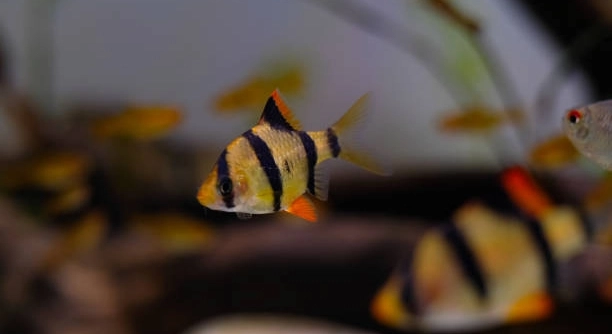
Tiger barbs are popular fish known for their bright colors and active behavior. Many fishkeepers enjoy watching them swim but sometimes notice signs of aggression in their tanks. Understanding what causes this behavior can help create a calmer environment for these lively fish.
Tiger barb aggression is commonly caused by factors such as overcrowding, lack of hiding spots, poor water quality, improper diet, incompatible tank mates, stress, and insufficient schooling. These conditions increase territorial disputes and stress, leading to aggressive interactions.
Recognizing these causes will help you manage your tank better and keep your tiger barbs happy and healthy over time.
Overcrowding in the Tank
When too many tiger barbs share the same tank, space becomes limited, and tensions rise quickly. These fish are naturally active and need room to swim freely. Overcrowding leads to competition for space, causing stress and aggressive behavior. In a cramped environment, it’s harder for tiger barbs to establish territories or find places to retreat when feeling threatened. This can result in constant chasing and fin nipping, which not only harms the fish but also affects their overall health. Keeping the tank population within recommended limits ensures that each fish has enough space to thrive without unnecessary conflict.
Maintaining a proper fish count relative to the tank size is crucial for peaceful coexistence.
A well-sized tank allows tiger barbs to form natural groups and reduces stress levels. For instance, a 20-gallon tank should hold no more than 6 to 8 tiger barbs, depending on filtration and tank setup. Providing adequate space helps prevent aggression and encourages healthier social behavior. When you notice overcrowding, consider upgrading the tank or relocating some fish to maintain balance. Additionally, regular water changes and good filtration can help support a larger group if tank size permits, but space remains the key factor in minimizing aggression.
Lack of Hiding Spots
Tiger barbs need places to hide to feel safe and calm. Without enough decorations, plants, or caves, fish become more exposed and vulnerable. This vulnerability can increase their stress and lead to more aggressive actions toward tank mates. Adding hiding spots creates a sense of security, letting fish retreat when needed. This reduces constant confrontations and helps maintain a peaceful tank environment. Providing diverse hiding areas, such as dense plants or rock formations, mimics their natural habitat and supports their well-being. Keeping the tank visually interesting also benefits the fish by giving them areas to explore without feeling threatened.
Poor Water Quality
Poor water quality quickly stresses tiger barbs, making them more prone to aggression. High levels of ammonia, nitrites, or nitrates irritate the fish and reduce their immune response, increasing conflict.
Maintaining clean water is essential to keep tiger barbs healthy and calm. Regular water changes and a good filtration system help remove toxins and keep water parameters stable. Testing the water often for ammonia, nitrite, and nitrate levels can prevent problems before they escalate. Stress from poor water conditions often shows as increased chasing and fin nipping, which can lead to injury or disease. Paying close attention to water quality creates a more peaceful environment where aggression is less likely to flare.
Good water conditions also encourage natural behavior and vitality. When the water is clean and stable, tiger barbs are less stressed and better able to coexist peacefully, even in a community tank.
Improper Diet
An improper diet can increase aggression in tiger barbs because they don’t get the nutrients they need to stay healthy and calm. Feeding them only one type of food or skipping meals may cause irritability.
Providing a balanced diet with a mix of flakes, pellets, and occasional live or frozen foods like bloodworms or brine shrimp ensures tiger barbs receive essential nutrients. A well-fed fish is less likely to compete aggressively for food or become stressed due to hunger. Overfeeding, however, can cause poor water quality, indirectly leading to aggression. Feeding smaller amounts multiple times a day is better than one large feeding. Watching their eating habits closely helps adjust portions and avoid conflicts during mealtime. A consistent and varied diet supports both health and peaceful behavior.
Incompatible Tank Mates
Some fish just don’t get along with tiger barbs. Aggression often increases when tank mates are too passive or too aggressive themselves.
Choosing compatible species is important. Avoid slow-moving or long-finned fish, as tiger barbs tend to nip fins, causing stress and injury.
Stress and Environmental Changes
Stress from sudden changes in the tank, like temperature shifts or rearranging decorations, can make tiger barbs more aggressive. They need a stable environment to feel secure. Avoid frequent changes and keep the tank conditions consistent. Stress affects their behavior, leading to more chasing and fighting. Keeping a calm, predictable setup helps reduce aggression and keeps the fish comfortable.
Insufficient Schooling
Tiger barbs are schooling fish that need groups of at least six. Without enough companions, they can become aggressive or stressed. Providing a proper group size helps balance their social behavior.
How many tiger barbs should I keep together to reduce aggression?
Tiger barbs do best in groups of six or more. Keeping fewer than six can cause them to become aggressive because they don’t have enough companions to spread out their social energy. When in a proper school, they tend to focus more on each other and less on picking fights with other tank mates. Grouping them in six or more helps reduce bullying and fin-nipping. A larger school balances their behavior, making the tank environment calmer and less stressful for all fish involved.
Can certain tank mates cause tiger barbs to be aggressive?
Yes, tank mates greatly influence tiger barb behavior. Slow-moving fish with long fins, like angelfish or bettas, often attract fin nipping from tiger barbs, leading to stress and aggression. Similarly, aggressive species can provoke fights and increase overall tension in the tank. Ideal tank mates are fast swimmers or other semi-aggressive fish that can handle the tiger barbs’ energy. Researching compatibility before adding fish helps avoid unnecessary conflict.
What water parameters keep tiger barbs calm?
Stable water conditions are key. Tiger barbs thrive in temperatures between 74°F and 79°F, with a pH of 6.0 to 7.5. Ammonia and nitrite levels should be zero, and nitrate kept low through regular water changes. Fluctuating or poor water quality stresses fish and triggers aggression. Consistent testing and maintenance maintain a peaceful tank environment.
How often should I feed tiger barbs to prevent aggression?
Feeding small amounts two to three times a day works best. This prevents hunger-driven aggression and keeps water quality stable. Overfeeding can cause waste buildup, stressing the fish and increasing fights. A balanced diet with varied food types helps keep tiger barbs healthy and less likely to compete aggressively over food.
What signs indicate that aggression is harming my tiger barbs?
Look for torn or ragged fins, constant chasing, and visible injuries. Fish may hide more or show signs of stress like faded colors or reduced activity. These signs mean aggression is affecting their health. Intervene by adjusting tank conditions, increasing hiding spots, or separating aggressive individuals.
Can rearranging the tank reduce aggression?
Rearranging decorations can sometimes help by breaking up established territories and reducing dominance fights. However, frequent changes cause stress, which may worsen aggression. Make adjustments gradually and give fish time to adapt. Adding plants or caves to create more hiding places is often more effective than major changes.
Is it necessary to quarantine new tiger barbs before adding them to my tank?
Yes, quarantining new fish is important. It prevents introducing diseases that can weaken fish and increase stress-related aggression. Quarantine also allows you to observe the new fish’s behavior and health before mixing them with your existing group. This simple step helps maintain a peaceful, healthy tank environment.
What should I do if one tiger barb becomes overly aggressive?
If one fish is consistently aggressive, try isolating it in a separate tank or using a divider. Sometimes aggressive behavior is due to illness or stress, so check water quality and diet first. Removing the aggressive fish can protect others and restore peace. Monitor all fish carefully after intervention to ensure the tank returns to balance.
Can overcrowding ever help reduce aggression?
No, overcrowding usually makes aggression worse by increasing competition for space and resources. It stresses all fish and leads to more fights. Maintaining proper stocking levels based on tank size is essential to keep aggression under control and promote healthy social behavior.
How do hiding spots help reduce aggression among tiger barbs?
Hiding spots give fish places to retreat when feeling threatened. This reduces stress and prevents constant chasing. Dense plants, caves, and decorations break the tank into smaller territories, letting tiger barbs avoid conflict. Without enough hiding places, aggression tends to increase as fish feel exposed and vulnerable. Providing plenty of cover is one of the easiest ways to keep peace in the tank.
Keeping tiger barbs peaceful in a tank takes some attention to their needs. Understanding the common causes of aggression helps create a better environment for these lively fish. Overcrowding, poor water quality, lack of hiding spots, and improper diet are some of the main reasons why tiger barbs act aggressively. When these factors are managed properly, aggression can be reduced significantly. It’s important to keep a good balance in the tank, so the fish have enough space, clean water, and proper food to stay healthy and calm.
Maintaining a stable environment is key to reducing stress in tiger barbs. Stress often leads to increased aggression, so avoiding sudden changes in the tank is helpful. Making sure the temperature, pH, and cleanliness of the water stay within suitable ranges supports the fish’s well-being. Adding enough hiding places and choosing compatible tank mates also contribute to a peaceful tank. Tiger barbs do well when they are in groups of six or more, as schooling helps keep their behavior balanced. By meeting these basic needs, aggression is less likely to become a problem.
Taking care of tiger barbs requires a mix of careful observation and proper tank management. Watching for signs of aggression or stress and responding quickly can prevent serious harm. Simple steps like regular water changes, feeding a balanced diet, and providing enough space can make a big difference. Every tank is unique, so adjusting conditions based on how the fish behave is important. With the right care, tiger barbs can live happily and display their natural, colorful, and active nature without constant fighting or stress.

Hello,
If you enjoy the content that we create, please consider saying a "Thank You!" by leaving a tip.
Every little bit helps us continue crafting quality advice that supports the health, happiness, and well-being of pets around the world, for pets of all shapes, sizes, and species.
We really appreciate the kindness and support that you show us!